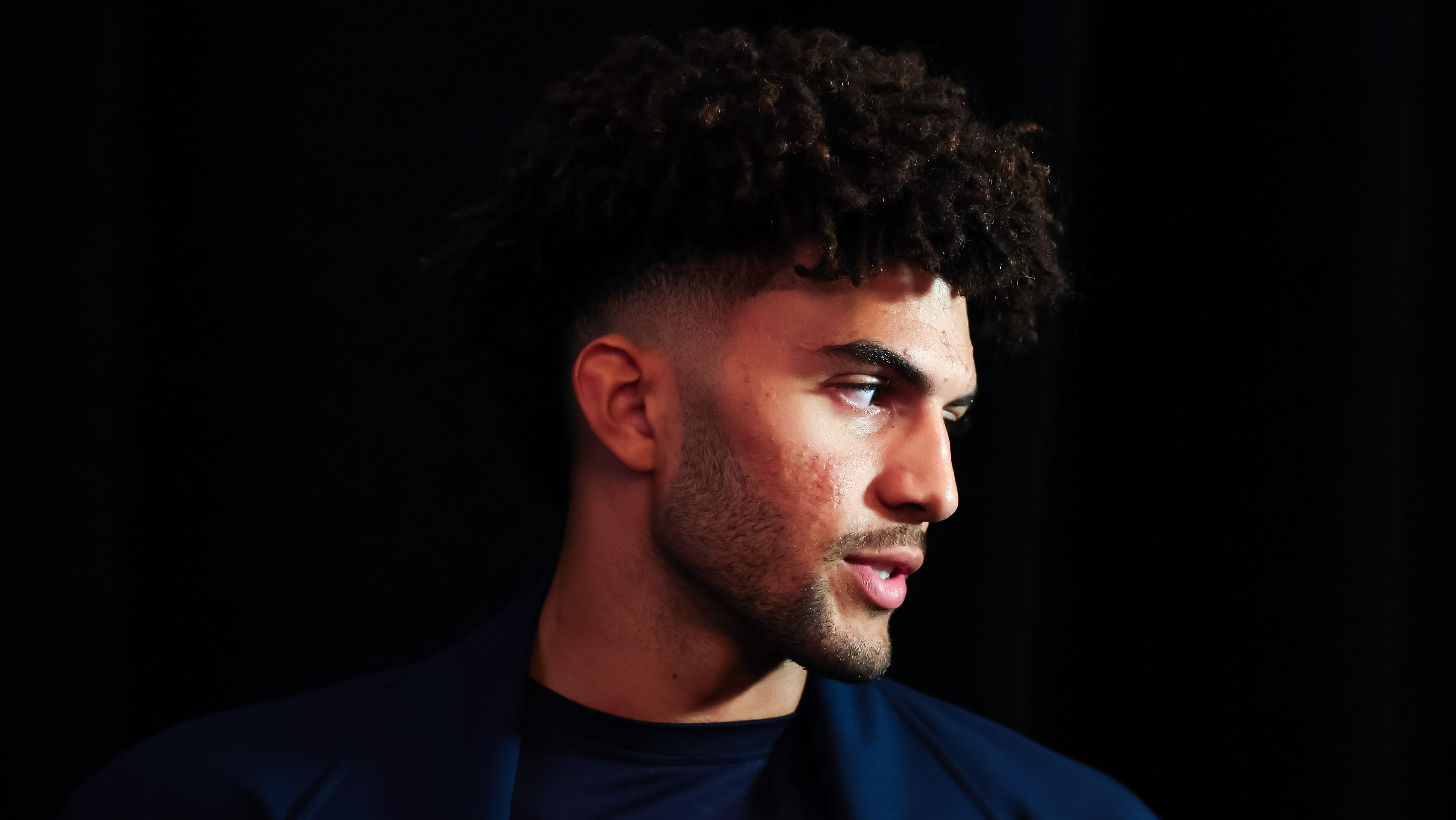
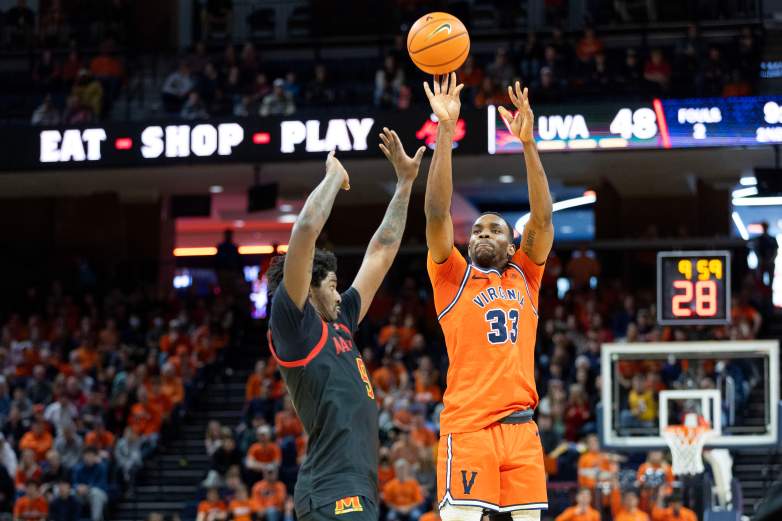
Braden Smith grew up in Westfield, Indiana, near Indianapolis, and quickly earned recognition for his basketball talent. He capped his high school career by winning Mr. Basketball in the state, signaling that his potential extended beyond the high school level. Despite that early acclaim, Smith entered college basketball as an under-the-radar prospect, rated as a three-star recruit and not among the top ranks in the national class. Purdue head coach Matt Painter saw a compelling upside in Smith’s game and offered him a scholarship during the pandemic, a time when in-person scouting was limited. Smith accepted and proceeded to carve out a four-year starting role for the Boilermakers.
During his collegiate tenure, Smith proved to be a transformative playmaker. He helped develop a formidable lineup that featured Zach Edey, a centerpiece in Purdue’s offense, and Smith’s leadership and passing acumen complemented the roster beautifully. By his senior season, Smith had established himself as one of the most accomplished players in the NCAA. He is the all-time NCAA assist leader, surpassing the previous mark by a substantial margin, a testament to his vision, decision-making, and ability to run an offense. His shooting also stood out, with a career three-point percentage well over 40%, making him a credible threat from beyond the arc and a valuable floor general late in games.
Individually, Smith earned multiple accolades. He was a three-time first-team All-Big Ten selection and captured the Big Ten Player of the Year for the 2024-2025 season. His combination of playmaking, shooting efficiency, and leadership made him one of the most effective guards in college basketball during his era, and his success translated into growing confidence about how his skill set could translate to the professional level.
In terms of fit with the Pacers, the strategic rationale is clear. Indiana envisions Smith as a long-term backup to Tyrese Haliburton, bringing a complementary skill set that could keep the offense flowing when Haliburton rests. Smith’s strengths as a passer and shooter align with the Pacers’ offensive identity, which thrives on pace, ball movement, and efficient scoring from multiple creators. His ability to initiate the offense and distribute the ball would be especially valuable in a system that prioritizes smart decision-making and spacing. Even as a rookie, Smith is expected to contribute in a structured role, absorbing time behind a established floor general while continuing to refine his own game.
The path to sustained NBA impact, however, includes significant physical considerations. At the professional level, Smith measures just over 5-10 and weighs around 166 pounds, making him lighter and more slender than many of his peers. This presents obvious challenges in terms of durability and quickness against stronger, more athletic guards. Still, these concerns are balanced by his elite court vision, precise passing, and the shooting ability that has defined his career. If he can maintain his pace, leverage his size with high basketball IQ, and adapt defensively to the NBA’s demands, Smith could carve out a niche as a high-level backup who can spark the offense and execute in late-game situations.
Beyond the on-court attributes, Smith’s Indiana roots add an intangible value to his profile. Local connections tend to resonate with teams and fan bases, contributing to a sense of pride and familiarity within the franchise. For the Pacers, drafting a local product who has repeatedly demonstrated resilience and excellence at the collegiate level helps reinforce a narrative of developing homegrown talent and maximizing the potential of players who already understand the regional basketball culture.
As the season progresses, the Pacers will monitor Smith’s development closely. The rookie year will likely involve a combination of learning the NBA pace, studying the playbook, and earning minutes in a controlled role behind Haliburton. If Smith can adapt quickly, show growth in his strength and defensive capabilities, and maintain his shooting efficiency, he could become a valuable asset as a reserve guard who can contribute meaningful minutes and provide a reliable playmaking option off the bench.
In analyzing the overall impact of the pick, Smith represents a blend of proven college success, a high ceiling for professional growth, and a regional appeal that complements the Pacers’ broader strategy of building a competitive, sustainable team with a core of versatile, smart players. The decision to acquire him at No. 38 reflects a calculated belief that his best basketball may still lie ahead and that his experience leading Purdue’s offense could translate into meaningful contributions for Indiana in the years to come.
For fans and analysts, the Braden Smith selection is a compelling story—one of a local star who rose through the ranks, set NCAA records, and now has the opportunity to leave a lasting mark in the NBA. The coming seasons will reveal how quickly he can adapt to the professional level, how his role evolves within the Pacers’ system, and whether his leadership on the court translates into sustained performance at the highest level of basketball. As the Pacers chart their course in a rapidly evolving league, Smith stands as a symbol of perseverance and potential, a local talent stepping onto a national stage with the hopes of becoming a cornerstone piece in Indiana’s basketball future.