Proposed trade framework
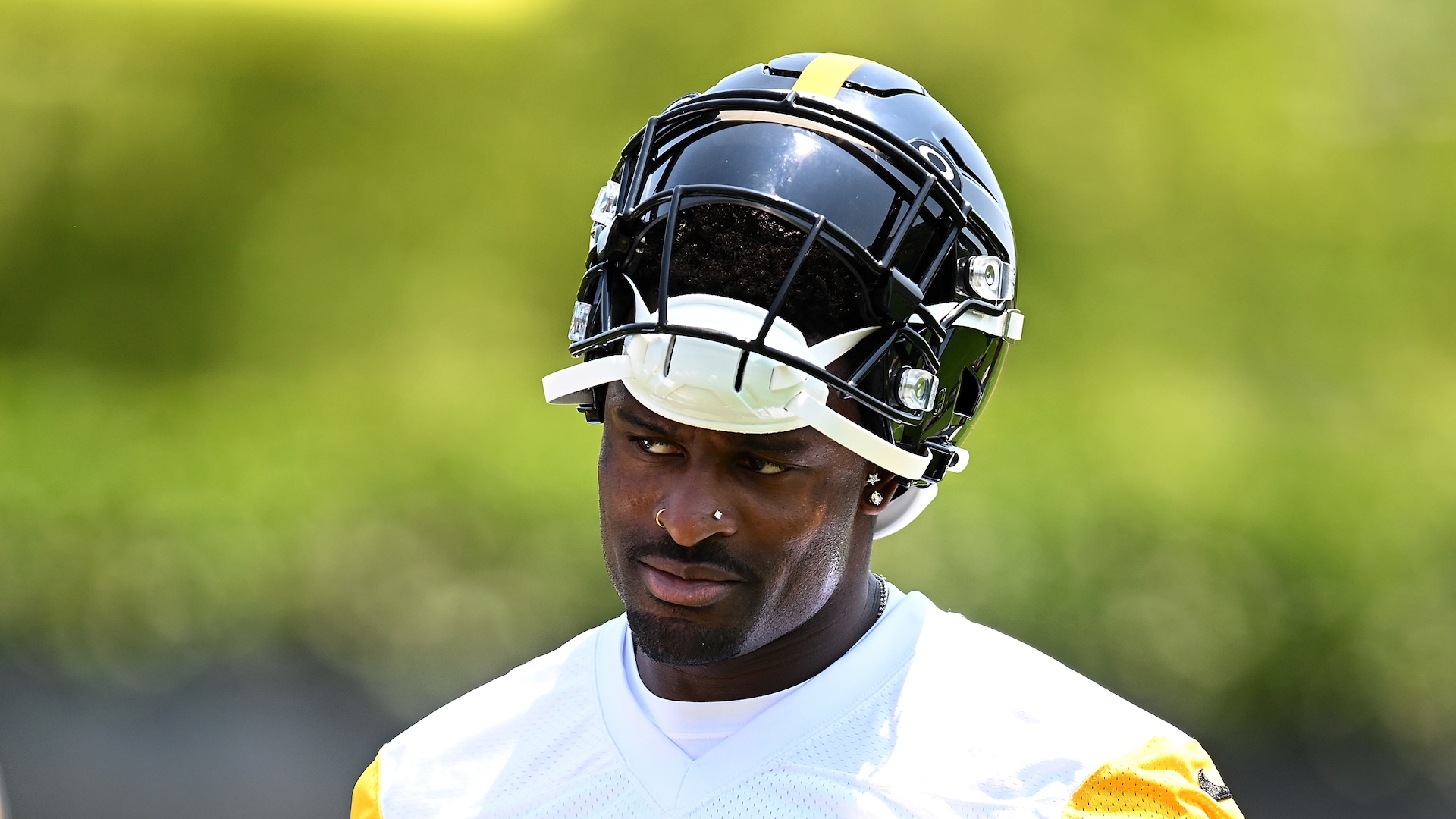
– Jets receive: quarterback Mac Jones
– 49ers receive: wide receiver DK Metcalf
– Steelers receive: wide receiver Brandon Aiyuk and a 2027 third-round pick (via the Jets)
The premise hinges on the San Francisco 49ers being open to parting with Jones if a suitable alternative at quarterback emerges in the pipeline. Reports and commentary suggest that the 49ers have indicated a preference to retain Jones, especially if a rookie quarterback such as Kurtis Rourke demonstrates enough promise during summer workouts and preseason games. If Jones’ performance in the coming year proves compelling, San Francisco could reconsider such a trade but would likely weigh it against the broader window of contention with established stars on their roster, including top talents who are entering years when performance tends to wane with age.
For the Jets, the appeal is multifaceted. First and foremost, upgrading the quarterback room is a perennial priority in a league where stability at the position often correlates with competitive success. Jones, a former first-round pick who has shown the ability to win games as a starter, could be a cost-effective short- to mid-term solution given his current contract situation. The Jets would also gain ammunition in the form of high-end pass-catching talent in Metcalf, which would help balance the offense and provide a reliable target for Jones or any future quarterback.
From the Steelers’ perspective, the deal would yield a veteran-caliber playmaker in Brandon Aiyuk, along with additional draft capital in the form of a 2027 third-round pick. Aiyuk has demonstrated big-play potential and consistency as a receiver, which could help support a young quarterback or accelerate the growth of an evolving offense in Pittsburgh. The move would also give the Steelers a chance to recalibrate their roster around talented, productive players while managing their long-term cap and development plans.
Why this concept generates discussion
– Handling quarterback volatility: The NFL is a league where the position’s volatility can define seasons. A quarterback like Mac Jones offers a balance of experience, win history, and upside, especially if paired with a trusted receiving corps.
– Asset management: The Jets would need to weigh the value of a third-round pick against the potential long-term return of having a competent starter who can minimize risk and facilitate growth for younger players on the roster.
– Market dynamics: For the 49ers, trading Jones could be a strategic move if a younger quarterback shows potential to step into a more prominent role without derailing the current championship window. For the Steelers, acquiring a veteran receiver who can contribute immediately provides a dimension of stability and leadership at the wide-out position.
Contract considerations and potential obstacles
Jones, who was a first-round pick and started his NFL career with high expectations, carries a relatively modest base salary for the 2026 season. If a team were to acquire him, questions about contract extension or restructuring would emerge quickly. Short-term, Jones’ affordability is attractive; long-term, the Jets (or any team) would need to decide how to secure his services beyond 2026. Extending Jones could lock in present performance and future value, but failing to do so might invite strategic uncertainty if his production remains uncertain from one season to the next. Franchise-tag considerations—should the team decide not to extend—could also complicate budgeting if Jones proves to be a key contributor.
Impact on the Jets’ roster-building approach
If the Jets were to pull off a move of this nature, the long-term implications would extend beyond the quarterback position. They would gain flexibility with draft capital and the ability to allocate resources toward other areas of need, such as the offensive line, pass rush, or secondary depth. A productive, veteran presence at quarterback can accelerate the development of younger players and elevate the overall competitiveness of the roster, especially in a conference with strong divisional rivalries.
Are there alternative paths?
Teams often explore multiple avenues to address quarterback depth, including in-house development, targeted free-agent signings, and draft strategies. A trade scenario can act as a catalyst for broader organizational changes, but it also introduces risk—especially when it involves costly assets or the potential disruption of team chemistry. Clubs must consider long-term implications, such as how a quarterback’s contract, style of play, and leadership impact mesh with the current coaching staff and player development plans.
Conclusion
The proposed three-way trade scenario offers an intriguing blueprint for teams seeking to recalibrate at quarterback, receive high-impact receiving talent, and adjust draft capital allocation. While it’s one of many hypothetical discussions circulating in football circles, the core idea emphasizes the ongoing quest for quarterback stability and roster balance. If such a move were executed, it could redefine the Jets’ immediate competitive window while offering the Steelers and 49ers strategic advantages in their respective contexts.
Note: This rewritten article preserves the essential facts and context of the discussion while presenting it as a standalone analysis without references to original publication sources. It remains focused on the strategic considerations, contract dynamics, and potential roster impacts of a hypothetical three-team trade involving Mac Jones, DK Metcalf, and Brandon Aiyuk, along with a 2027 third-round pick.