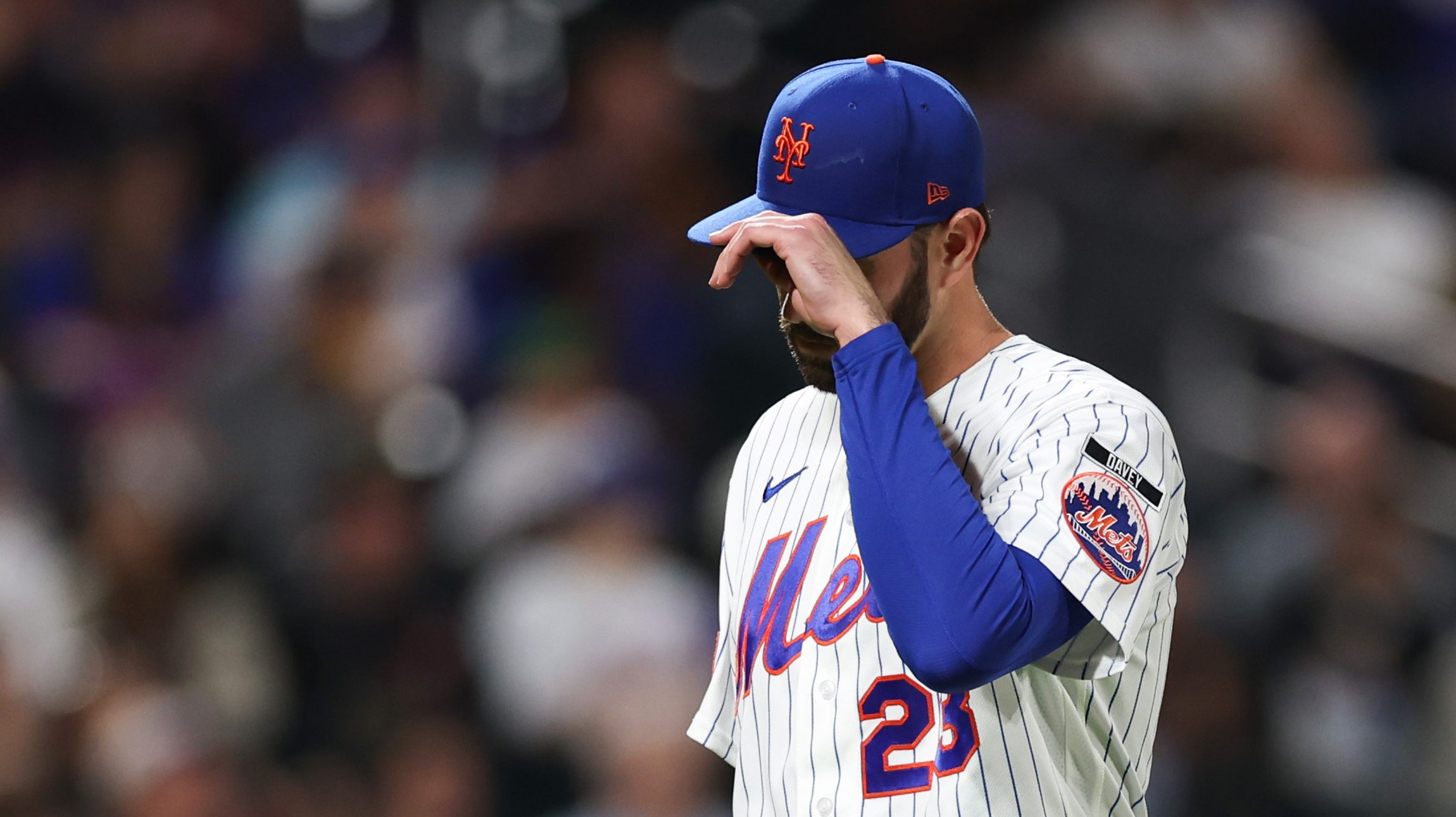
Peterson burst onto the national scene with an impressive 2025 season, earning an All-Star selection and posting a 4.22 ERA over 168-plus innings. However, his performance in the current season has declined, with a 6.09 ERA through 16 appearances (eight starts) and a negative Baseball Reference Wins Above Replacement (WAR) of -1.0. The Mets’ depth in pitching, combined with Peterson’s recent struggles, has likely contributed to the decision to part ways with the pitcher.
The Cubs are perceived to see untapped potential in Peterson and believe he still has untapped arm talent that could be harnessed with a fresh environment or different workload. For Chicago, this move signals an early season effort to bolster their pitching depth, selecting a veteran with experience at the major league level who could provide a bridge to younger arms or compete for a spot in the rotation.
Reaction from fans and analysts has been mixed, with some acknowledging Peterson’s previous high upside and others questioning whether he’ll regain his past form in a new clubhouse and ballpark. As always with midseason trades, the ultimate impact will hinge on how Peterson adapts to the Cubs’ coaching, the organizational approach to pitch usage, and his health moving forward.
In assessing the trade, it’s important to consider Peterson’s athleticism and projection as a pitcher. He has demonstrated the ability to miss bats and command a variety of pitches in past seasons, suggesting there is still potential to contribute at a high level if he can regain consistency and stay healthy. The Cubs likely view him as a low-risk addition with upside rather than a guaranteed frontline piece, making the move a strategic bet on upside rather than immediate impact.
For Mets fans, the move represents a reshuffling of pitching depth amid a surplus of young arms, while Cubs supporters may see a path for Peterson to reestablish himself and provide value over the remainder of the season. As the details of the trade become clearer, including any associated prospects or cash considerations, teams and observers will be paying close attention to how Peterson responds to his new environment and whether he can reverse the concerning trend from this season.
Overall, the acquisition of David Peterson by the Chicago Cubs could prove to be a nuanced, low-to-mid-risk addition with potential upside. The coming weeks will reveal how well this pivot works for both clubs and whether Peterson can return to the form that made him a notable prospect and All-Star candidate in prior seasons.