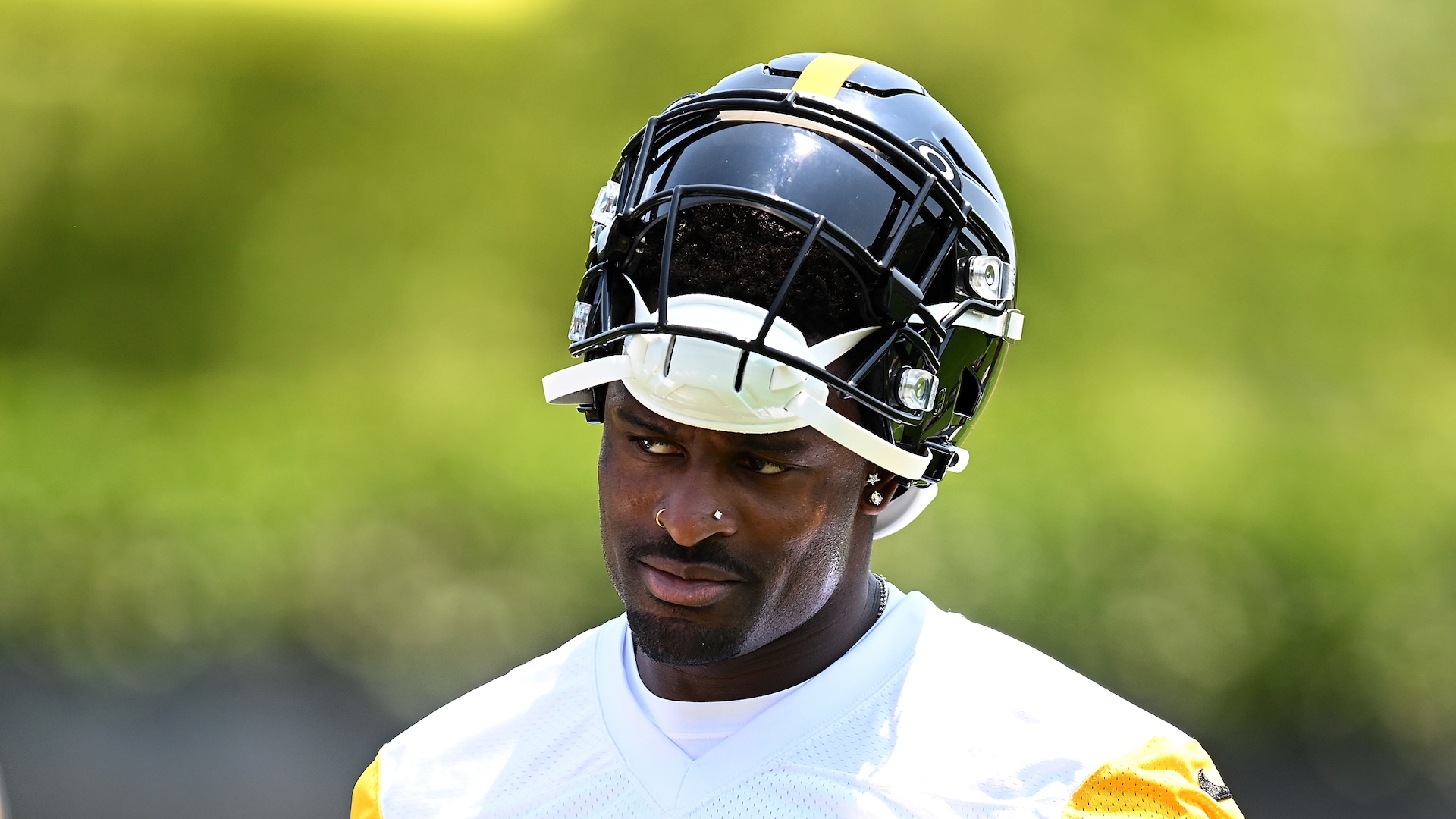
heading into this offseason, Buffalo opted to go a different route at the edge position, signing Bradley Chubb to a multi-year deal and not re-signing Bosa. Despite the Bills’ decision, Bosa has remained unsigned, with widespread speculation that a reunion with his brother Nick Bosa in San Francisco could be on the horizon for the 49ers’ defensive line. This has fueled discussion about whether Bosa might be nearing the end of his playing days in the NFL.
One prominent NFL insider recently weighed in on Bosa’s retirement possibilities. During a podcast, Adam Schefter suggested that it is more likely than not that Joey Bosa has played his last NFL down. He did add that a scenario could emerge, such as a reunion with the 49ers, which might tempt him back onto the field. However, Schefter also noted that if the 49ers were intent on pairing the two Bosa brothers, such a move probably would have happened already, and if Bosa truly wanted to play, he would likely be in a position to do so by now.
Over nine seasons with the Chargers, Bosa compiled a career line that includes 372 tackles, 77 sacks, 22 forced fumbles, four fumble recoveries, and five passes defensed. His time in Buffalo represented a contrast to his long tenure in Los Angeles, and the one-year Bills stint showcased his ability to disrupt opposing backfields and create negative plays for the defense.
Buffalo’s defensive unit is undergoing a broader transition. After the end of last season, the Bills parted ways with head coach Sean McDermott. The franchise promoted Joe Brady from within to head coach and brought in Jim Leonhard to run the defense, selecting him from the Broncos’ coaching staff. This personnel shift signals a broader rethinking of how Buffalo will approach scheming and execution on defense in 2026. While much of the depth chart is expected to stay intact, the new leadership at the top of the defensive staff will shape the unit’s philosophy, alignment, and emphasis.
The question now is how Buffalo’s defense will look under the new regime. With health and depth still important, the Bills’ front-seven versatility could be enhanced by the addition of a veteran edge rusher like Bosa in a different system, but the current moves indicate a strategic pivot toward a potentially different style of pressure and coverage. Offensively, Buffalo remains a strong unit with playmakers and productive talent, but the defense’s adaptation to new coaching and schemes will play a critical role in the team’s overall performance.
As for Joey Bosa, the NFL’s landscape remains uncertain. Retirement rumors circulate when veteran players approach crossroads in their careers, especially after long runs with a single franchise or in the wake of significant contract decisions and roster changes. Until a formal commitment is announced, speculation will persist about whether Bosa will return to the field or officially retire. For fans and analysts, the focus is on how his career arc aligns with the evolving needs of potential suitors and the broader trends of player longevity in the league.
In summary, Buffalo’s edge-rush strategy is evolving, with Bradley Chubb signing a multi-year deal and a new defensive leadership team taking the reins. Joey Bosa’s future remains uncertain, with retirement chatter amplified by recent insider commentary. Regardless of whether he plays again, Bosa’s impact during his time with the Bills and Chargers left a lasting imprint on the league, and his career serves as a notable case study in how teams deploy veteran pass rushers to maximize short- and long-term defensive impact.