From a strategic standpoint, these moves are aimed at generating more pressure on opposing quarterbacks and creating a sturdier run defense, while also improving pass coverage across the field. The target is a more sustainable, top-to-bottom improvement that can translate into fewer points surrendered per game in 2026. Yet, even with a bolstered defense, there is a natural consequence: roster competition becomes sharper, and some familiar faces may see their roles shrink or disappear entirely as the depth chart is reshaped.
One analyst floated a notable preseason concern: a veteran defender could be at risk of being released ahead of the 2026 season. This assessment reflects the Bengals’ deeper pool of talent after their offseason enhancements, and it underscores how tactical the final cuts will be as the team weighs experience against upside and special-teams value.
In discussing potential cuts, the debate often centers on the balance between veteran presence and the club’s long-term plan. The Bengals have built a formidable cadre of corners and safeties, along with a defensive line capable of contributing in multiple packages. The arrival of newer players, who have shown promise in offseason workouts and minicamps, has intensified the competition at several positions. For players who have contributed in special teams or served as rotational pieces, continuing to prove their value will be essential to their roster hopes.
Among the positions attracting attention is the cornerback group, which has deepened with recent additions and draft selections. The organization has invested in young talent that could grow into starting roles, while veterans still on the roster are expected to contribute both on defense and in special teams. The dynamic is such that some established players may find themselves battling to maintain a spot, not necessarily due to a lack of talent but because depth charts are increasingly crowded.
Early evaluations from the offseason indicate positive impressions from the newest corners and safeties. The coaching staff and teammates have noted traits such as length, ball skills, and versatility—qualities that can be valuable in multiple coverages and schemes. Moreover, a few young players have begun to earn buzz for their consistency and impact during practice and organized team activities. This buzz often translates into heightened expectations for preseason performances and training camp battles.
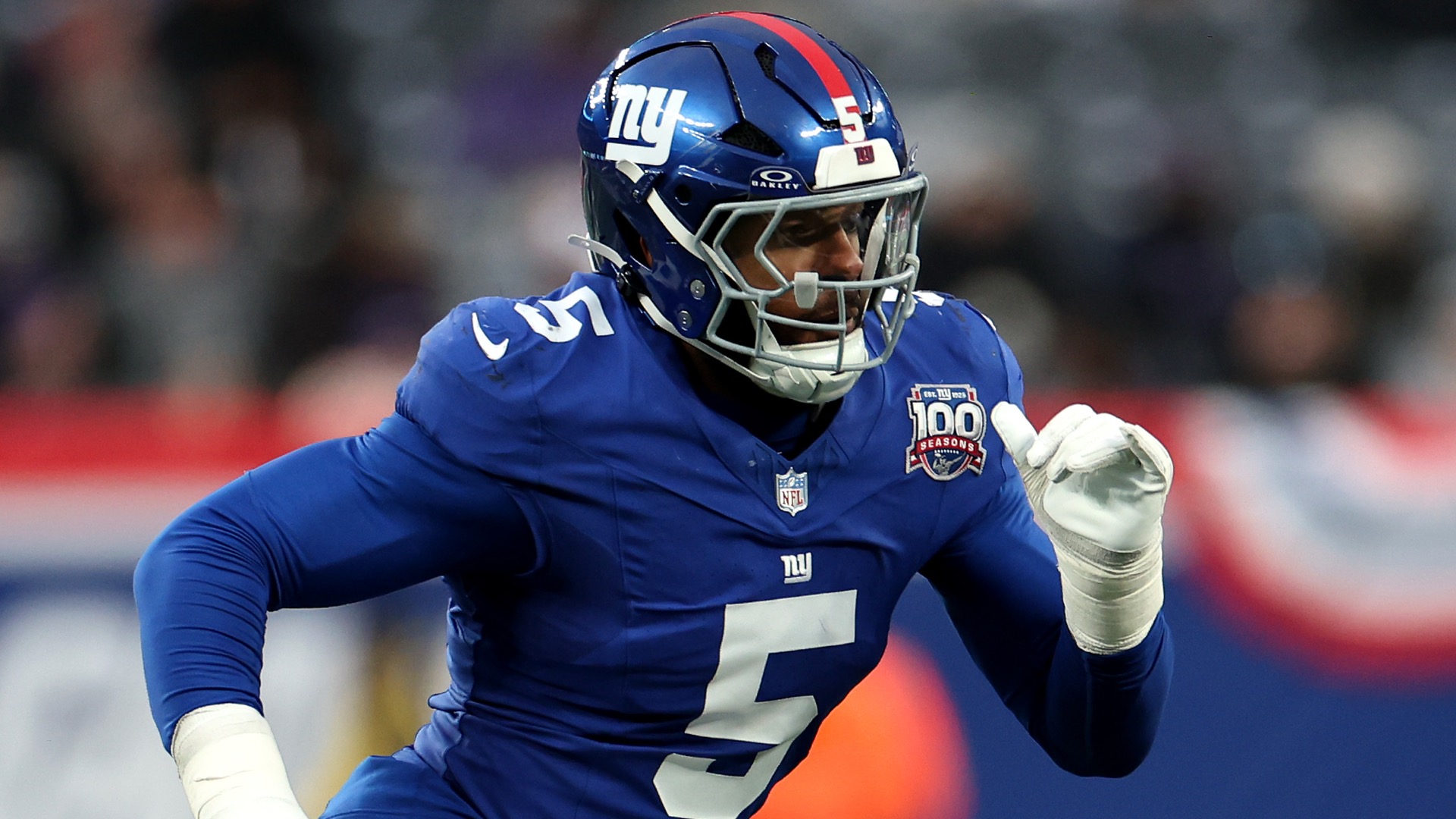
On the defensive line, the addition of Dexter Lawrence provides a cornerstone presence in the interior, capable of anchoring run defense and collapsing pockets. The combination of veterans and emerging players elsewhere on the defensive front should create a stable rotation that can keep players fresh and productive throughout a grueling regular season. Teams frequently rely on such depth to weather injuries and to maintain a high level of play across games.
Looking ahead to the competition for the final roster, several factors will influence decisions: special-teams contributions, the ability to adapt to multiple defensive schemes, consistency in tackling and play recognition, and the potential for growth shown in offseason work. Players who can demonstrate a reliable all-around impact—cover skills, run defense, and special-teams value—will have the best odds of earning a spot on the 53-man roster.
Fans and analysts alike will be watching how the defensive unit evolves as the team approaches training camp and the preseason. The Bengals’ emphasis on improving in key areas is clear, and the success of these offseason investments will largely depend on how quickly new faces mesh with established players and how effectively the defense can translate practice成果 into game-day production.
In summary, Cincinnati has laid a concrete foundation to upgrade a defense that needed bolstering. By signing and trading for players with proven track records and by drafting defensive talent early, the team signaling a plan to multiple-rotation up front and a tightened secondary. While this creates healthy competition for jobs, it also raises the possibility that some veterans could be displaced by younger, faster, and more versatile players. The true test will come in the late summer through the early portion of the regular season, when the defense must demonstrate cohesion, discipline, and the ability to close out games.