While early impressions from team leadership are positive, the reality of NFL offseasons is that plans can shift quickly as players’ performances unfold during organized team activities, minicamps, and training camps. Executives may weigh the benefits of adding a veteran presence to the room, not because they doubt the current talents, but to provide veteran leadership, stability, and a more defined path for the progression of younger receivers, including any top rookies.
Industry observers have spotlighted the free-agent market at wide receiver as one of the more intriguing storylines of the offseason. Several veteran receivers who have previously starred in the league became available, fueling discussions about whether a team like the Raiders should pursue immediate help or prioritize internal development. The discourse centers on whether signing a veteran could complement the roster by offering on-field production while also mentoring a developing corps of young players.
Among the players frequently mentioned in free-agent chatter, several names stand out due to past production, age, and durability. Analysts note that some options carry a mix of high pedigree and potential concerns, including salary expectations, injury histories, and fit with the team’s offensive scheme. The discussion often narrows to names that, if signed, could provide a balance of playmaking ability and veteran leadership without the baggage that some high-profile players sometimes carry.
From a statistical perspective, evaluating potential signings involves comparing age, recent performance, and the likelihood of contributing immediately versus contributing as a developmental piece. For example, a veteran who produced solid numbers in recent seasons may bring reliability and consistent route running. In contrast, a younger veteran with a penchant for big plays could inject explosiveness into the offense. The challenge for the Raiders is to identify a player whose skills align with the offensive system and who can complement the current receiver group while not disrupting chemistry or cap flexibility.
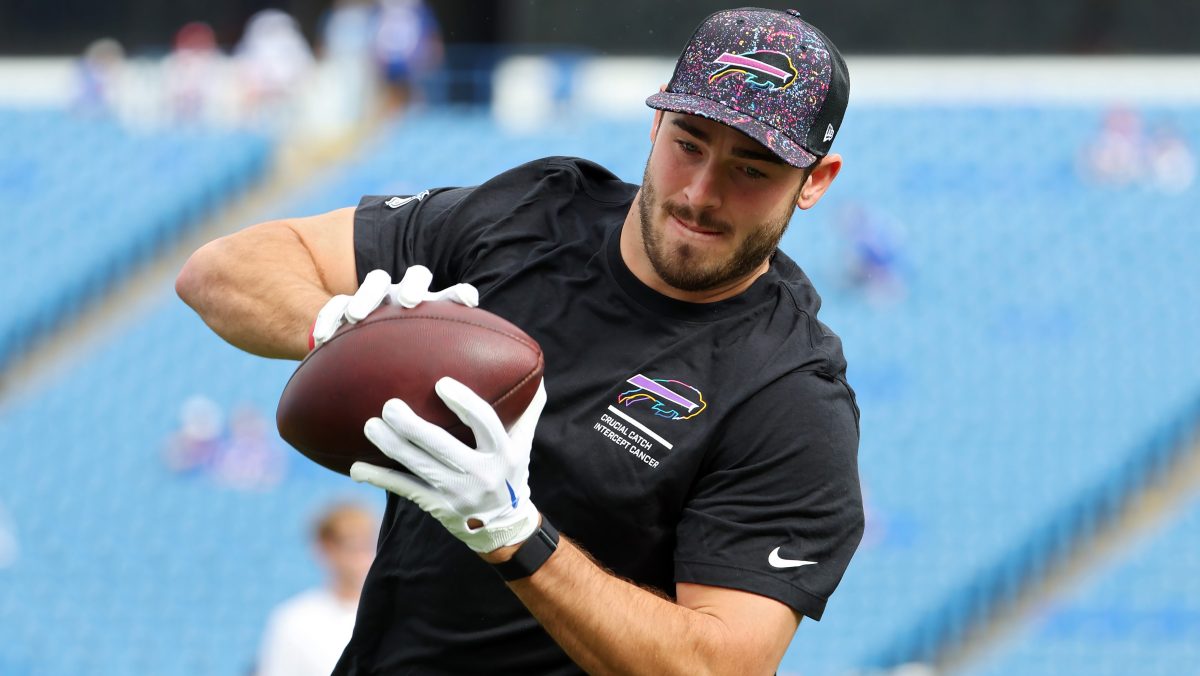
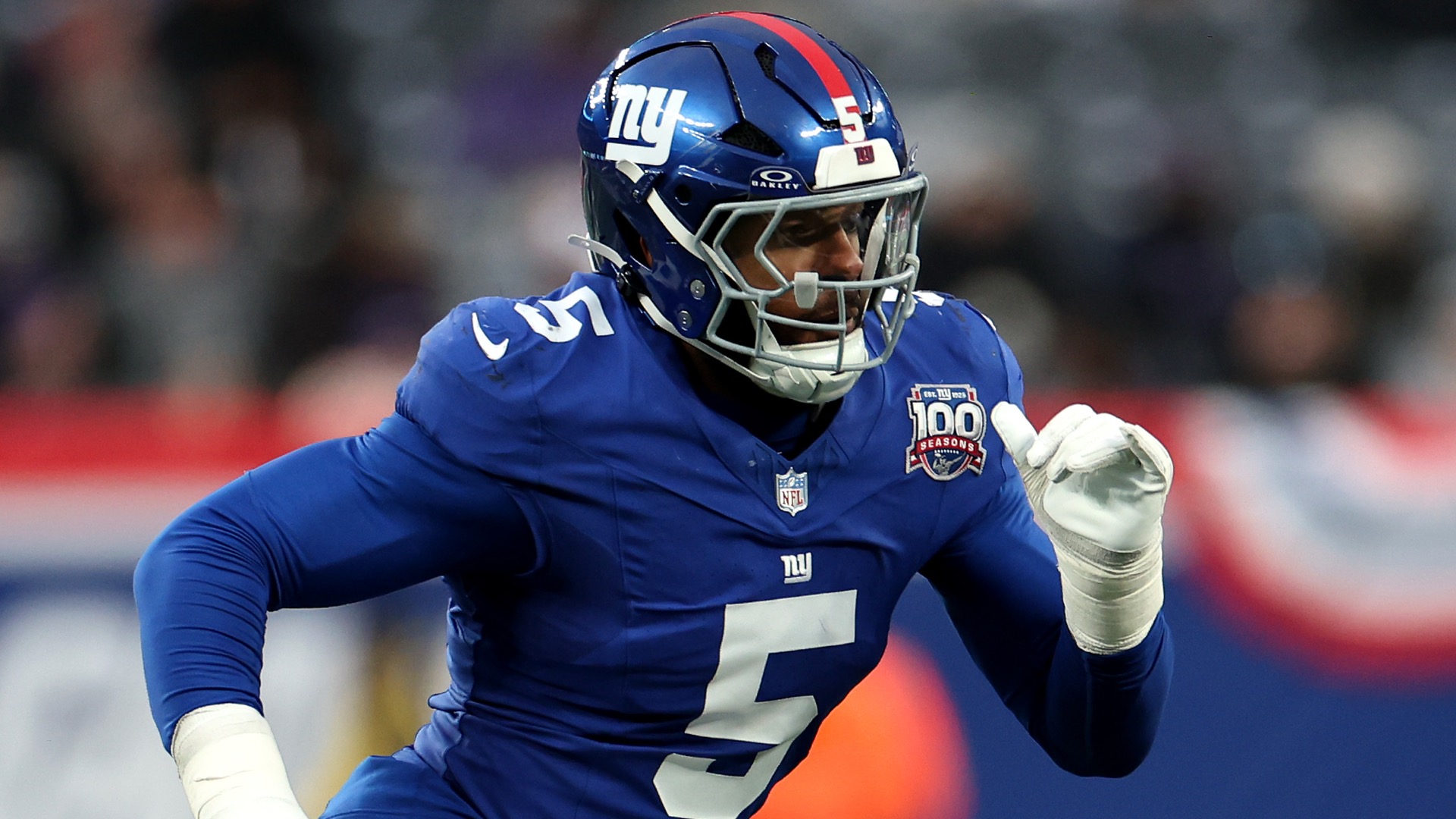
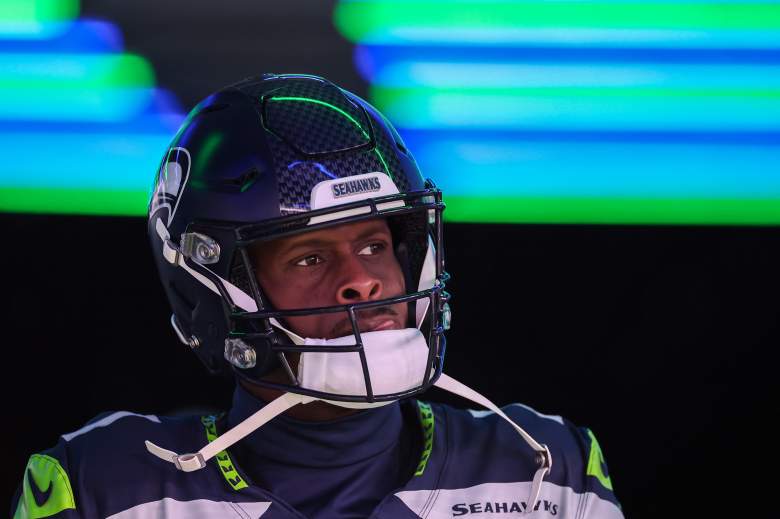
In a hypothetical comparison of three widely discussed veteran receivers, analyses would typically examine age and 2025 metrics to gauge the potential impact. One player might be in the prime of his career, showing a balance of productivity and durability. Another could be on the older side, offering veteran savvy but perhaps with diminishing athleticism. A third might display steady production and reliability, with a track record of consistent performances across multiple seasons. The goal would be to determine who offers the best combination of on-field value and leadership for a developing quarterback and a relatively young receiving corps.
Age is a critical factor, as is the ability to stay healthy and avoid recurring injuries. Production in recent seasons, including receptions, yardage, and touchdowns, helps illustrate a player’s current form. But beyond numbers, teams must consider how a veteran would fit the offense, their role in mentoring young receivers, and their willingness to contribute as a veteran presence in the locker room and in practice. The best fit would likely be someone who can contribute meaningful snaps and also elevate the performance and confidence of emerging playmakers.
If the Raiders decide to pursue a veteran wide receiver, the focus would likely be on options who can deliver immediate production while also serving as a resource for the younger group. A player with a proven track record of route-running precision, strong hands, and the ability to create after-the-catch opportunities would be particularly valuable. Additionally, leadership qualities—such as professionalism, work ethic, and the ability to mentor younger teammates—would be highly desirable traits in any potential addition.
In evaluating potential targets, the Raiders would weigh not only the statistical upside but also the cost and fit within their salary structure. The goal would be to add a veteran presence without creating long-term financial strain that could limit future moves. The decision would ideally harmonize with the development timeline of the team’s young receivers and the development of any top draft pick, ensuring the group remains cohesive and poised for long-term success.
Ultimately, the opinion on whether a veteran addition is necessary will hinge on how the current receivers perform during offseason activities and how quickly the coaching staff observes growth and consistency. If the young group shows clear progress and demonstrates the ability to contribute as a unit, management may opt to stay patient. Conversely, if the room struggles with consistency or if a veteran could provide a critical upgrade in key situations, a measured addition could be pursued to help accelerate the offense’s development.
In summary, the Raiders’ wide receiver room is viewed as solid and capable, with conversations ongoing about potential veteran help. The balance between cultivating internal talent and augmenting the roster with experienced playmakers will shape the offseason strategy, ensuring the team remains competitive while supporting the growth of its young quarterback and pass-catching corps. The path chosen will reflect a combination of on-field merit, leadership needs, and financial considerations, all aimed at building a dynamic and reliable aerial attack for the coming season.