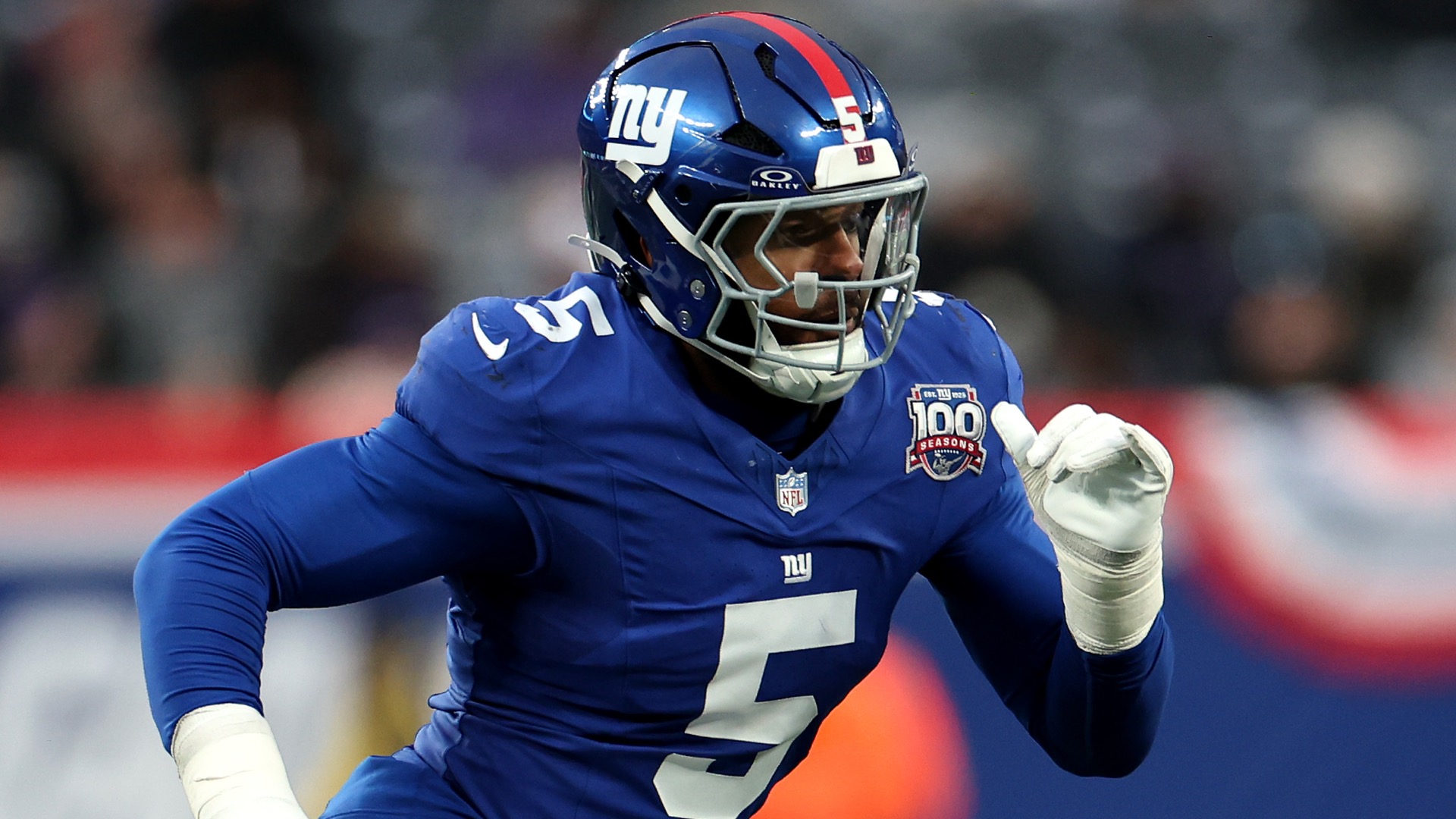
One name that has circulated as a plausible target for a trade is Alex Highsmith of the Pittsburgh Steelers. Highsmith, entering the latter stages of his prime, is viewed by several analysts as a player whose contract situation and age create potential flexibility for a team seeking an immediate upgrade without overhauling its wallet. With two years left on his deal and a sizeable but manageable cap hit, Highsmith represents a balance between proven production and future cost control.
Discussion of a Highsmith trade often centers on the price tag. Some experts have floated a conditional third-round pick plus a veteran player as a reasonable starting point for negotiations. The argument for such a package is that Pittsburgh could free valuable cap space and reallocate resources, especially after recently extending another edge rusher on the roster. In addition, Highsmith’s age and expiration timeline are likely to appeal to teams that want a high-quality edge presence without the certainty of committing to a long-term, high-cost investment.
The Steelers, for their part, may not be in a rush to move Highsmith. Any decision would likely align with their broader strategic goals, including how they value other edge talent on their roster and how ties to upcoming contracts unfold. If a trade becomes feasible, it could stretch from the early summer pace through the mid-season window, depending on how teams evaluate their needs and the market’s evolution.
Highsmith’s track record includes steady production as a pass rusher, with a contract that has already become more expensive as he approaches the later years of his deal. A trade would require careful consideration of both teams’ cap situations and positional depth. For Detroit, the appeal is clear: a veteran pass rusher who can contribute to a young, dynamic defense led by a premier edge presence could accelerate the unit’s growth without sacrificing long-term flexibility. For Pittsburgh, any move would need to make sense within their larger plans, including how they leverage cap savings and the potential impact on their own internal development.
Beyond Detroit, other NFC North teams could also be relevant in screening for a Highsmith fit. The Chicago Bears, Green Bay Packers, and Minnesota Vikings have all been mentioned in various trade scenarios as potential landing spots for an experienced edge rusher who can provide immediate impact and veteran presence. Each team would weigh the need for situational depth and the long-term cost implications of such a move, balancing roster development with short-term competitiveness.
For Lions fans, the pursuit of an ideal edge presence often centers on a balance of cost, production, and future flexibility. While flashy, high-cost moves draw headlines, a measured acquisition like Highsmith could provide a meaningful upgrade to Detroit’s pass rush—complementing Aidan Hutchinson and bolstering the defense’s ability to pressure quarterbacks without altering the team’s overall financial trajectory.
In evaluating all options, Detroit’s front office should consider several factors:
– Age and prime window: Target players who are in or near their prime to maximize immediate impact while preserving long-term value.
– Contract structure: Favor players with a predictable, manageable cap hit that aligns with the team’s budget and potential extensions for younger stars.
– Complementarity: Ensure any addition meshes with Hutchinson’s skill set and the defense’s schematic goals, including versatility in stunts and rush packages.
– Trade leverage: Use accumulated assets to negotiate from a position of strength, aiming for conditional picks that increase if performance milestones are met.
As the offseason progresses, Detroit’s decision-makers will weigh whether a strategic, mid-level upgrade at edge defender best serves the team’s immediate goals and future potential. Whether through trade negotiations or free-agent signings, the Lions will look to reinforce their pass rush with a player who can deliver reliable pressure, contribute to a growing defensive unit, and fit within the club’s financial plan.