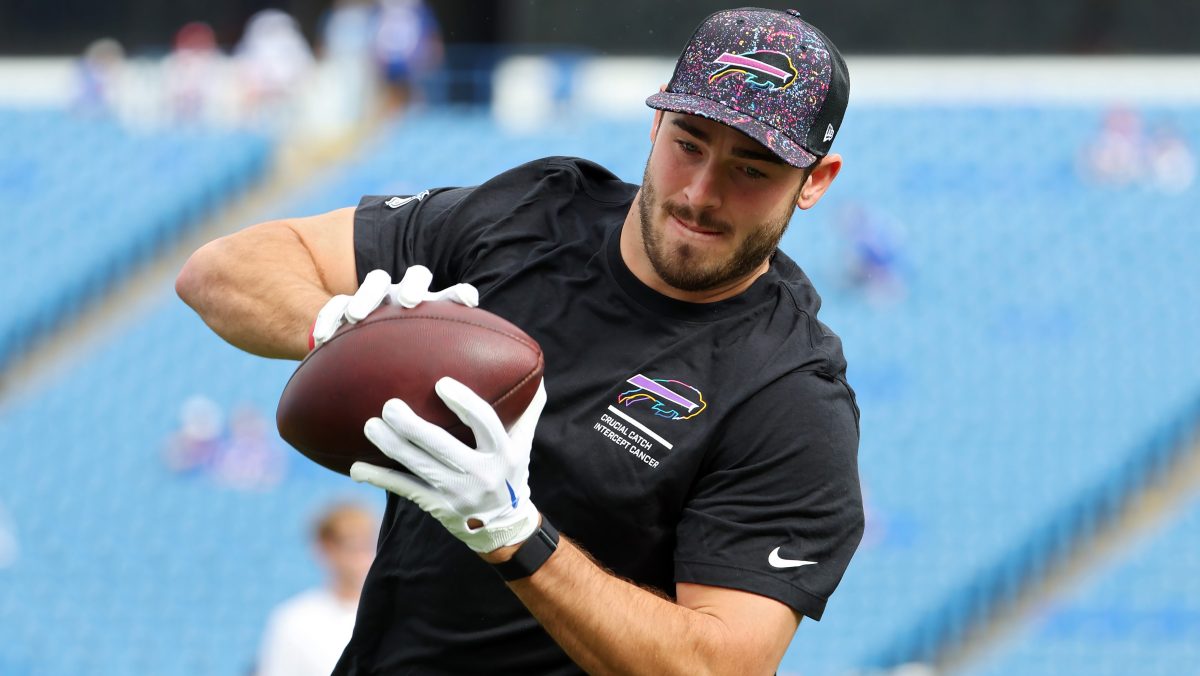
The proposed trade scenario places Palmer with a conditional 2027 sixth-round pick, with the condition potentially elevating the deal to a 2027 fifth-round pick if Palmer meets performance benchmarks. The Bills signed Palmer to a three-year, $29 million contract before the 2025 season. Analysts noted that injuries limited Palmer to limited production in 2025, recording a career-low in receiving yards. Since then, Buffalo added new weapons, including a veteran target and a promising rookie, which could motivate the Bills to consider moving Palmer. Trading him could also free up substantial cap space in 2026, depending on the structure of the deal and the team’s current needs.
Palmer is a 6-foot-1, 210-pound receiver who broke into the NFL as a rare Canadian prospect, originally making his name in Ontario before transferring to a high-profile program in Florida for his later high school years. He played college ball at Tennessee, where his senior season was shortened due to the pandemic. He was drafted in the third round (77th overall) by the Los Angeles Chargers. Evaluations from college scouts noted his size, route-running development, and solid ball skills, though questions persisted about long speed and separation against press coverage.
During his time with the Chargers, Palmer showed tangible production when given opportunities, serving primarily as a complementary option behind a top target. He posted a career-high 72 receptions and 769 yards in 2022, illustrating his capability to contribute as a reliable aerial option. Across four seasons with the Chargers, Palmer averaged roughly 51 receptions and 571 yards per season, along with 10 total touchdowns. Those numbers reflect solid production for a second or third receiving option, especially considering he missed a portion of the 2023 and 2024 seasons due to injuries.
For the Commanders, adding a receiver with Palmer’s background could address a clear need in the wideout room. If he remains healthy and can replicate earlier productivity, he could offer a meaningful boost, particularly in a role that emphasizes route discipline and contested catches. Any potential trade would need to align with Washington’s cap situation, roster strategy, and plans for development at the position.
In assessing a move for Palmer, teams will weigh his injury history against his proven hands, size, and ability to contribute as a reliable target on multiple levels. A trade would also be influenced by the price in future picks and whether the Bills see a fit for him in their evolving offensive plans, especially with newly added talent and the desire to optimize cap space.
Overall, Palmer stands out as a credible trade candidate for a receiver-needy team like the Commanders. His experience, size, and prior production present a meaningful upside if he can stay healthy and continue refining his route-running and reliability on contested catches. As training camp approaches, any discussions around Palmer’s availability will continue to unfold, with Washington potentially revisiting a deal if the price aligns with their roster-building goals.