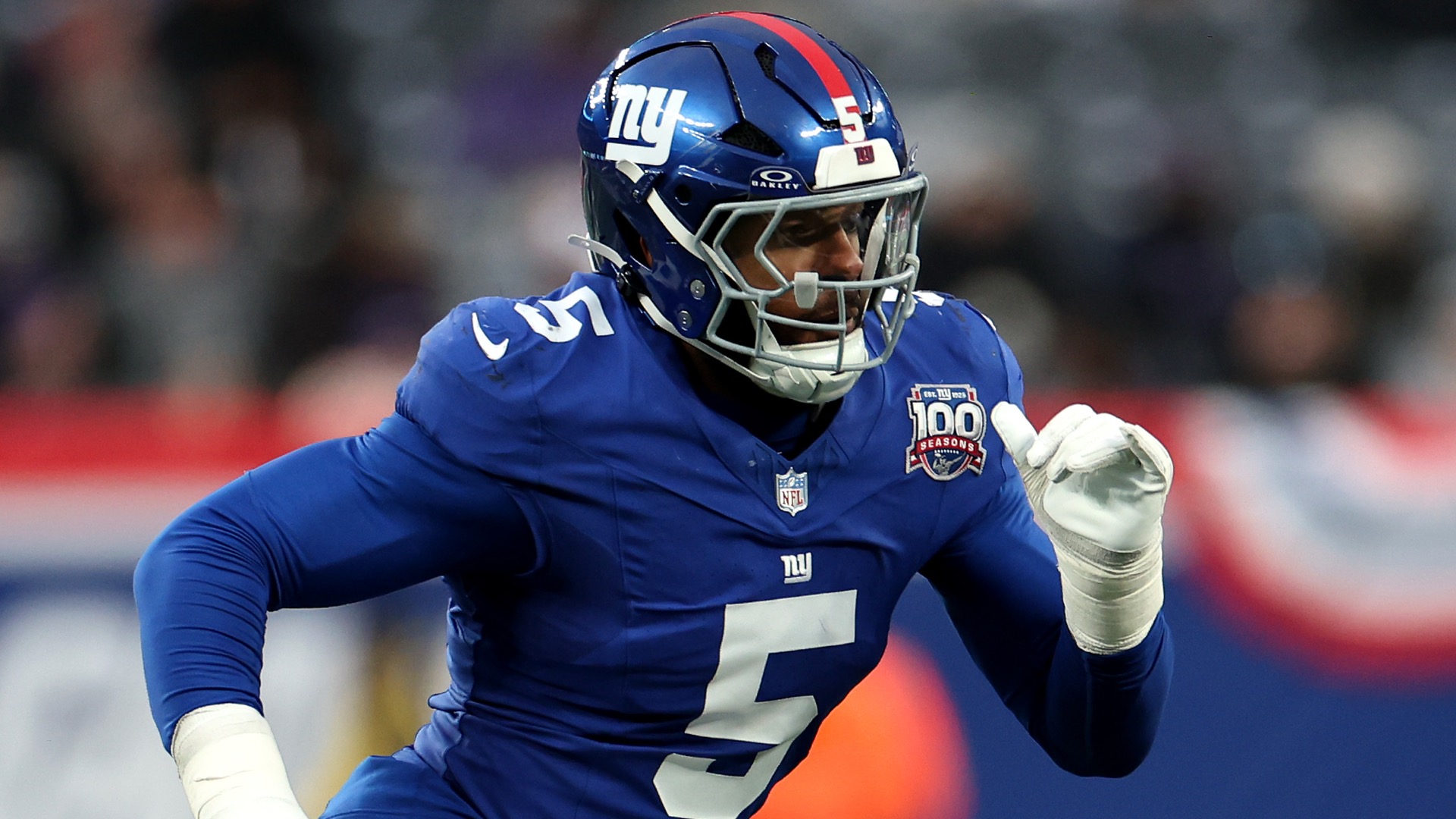
With Burns emerging as the standout star of the group, questions about his contract status are likely to come to the forefront. Burns enters a phase where his current deal carries limited guaranteed money for the remaining years, creating a natural incentive for the Giants to consider an extension to secure his services beyond the upcoming season. After a breakout 16.5-sack season, Burns has positioned himself as one of the league’s most disruptive defenders, capable of commanding a substantial raise or at least a more financially stable arrangement.
The Giants restructured Burns’s contract in recent months, and with no guaranteed money left for the rest of the deal, extending him would not only acknowledge his impact but also set a clear message to the rest of the roster: high performance will be rewarded. At 28 years old, Burns is arguably the team’s premier defensive player and a cornerstone of their defense. Extending him would reinforce leadership within the locker room and help stabilize the unit for years to come.
Burns’s impact is easy to quantify. Last season he produced 16.5 sacks, 22 tackles for loss, and contributed in forcing fumbles and defending passes, culminating in his first All-Pro honor and multiple Pro Bowl selections. His presence energizes the Giants’ defense and elevates the overall performance of the unit, making him essential to any long-term defensive strategy. A new contract would not only reflect his production but also send a strong message to the locker room and to fans that the organization prioritizes rewarding elite play.
When considering a fair market value for Burns, it helps to look at recent contracts signed by premier pass rushers. While Burns may not reach the absolute ceiling seen by the top-tier edge rushers in the league, analogous deals provide a reasonable bar. For example, a recent extension for a high-end edge rusher in another market reflected an annual value in the neighborhood of $40 million to $50 million, depending on structure and guarantees. A multi-year extension in a similar range would be a sensible target for Burns, balancing prize money with the Giants’ long-term salary-cap outlook.
The Giants have options in constructing an extension that would be both competitive and strategic. A structure that includes a robust signing bonus, guarantees aligned with performance milestones, and a laddered year-by-year payout could help manage cap implications while preserving Burns’s incentives to continue producing at an elite level. The negotiation dynamics should also consider Burns’s role as a leader on defense and his capacity to help elevate younger players, such as Thibodeaux and Carter, who will be relying on him for mentorship and on-field example.
Beyond Burns, the Giants’ edge-rushing depth provides the potential for dynamic rotation and versatility. Thibodeaux has shown flashes of disruptive talent, and Carter’s development could unlock additional pressure packages that keep opposing offenses guessing. Reese’s transition to an off-ball linebacker role, with a pathway to becoming a regular presence on passing downs, adds another dimension to the unit’s long-term ceiling. The team’s ability to distribute reps effectively will influence not only individual growth but the overall effectiveness of the defensive front.
From a strategic standpoint, extending Burns would serve multiple purposes. It would secure a proven, game-changing talent at a crucial position, reinforce the team’s defensive identity, and send a positive signal to players about the organization’s commitment to rewarding high-level performance. It would also help stabilize the defense during a period when younger edge players are still rounding into their prime, ensuring that the unit remains a top-tier strength even as other positions evolve.
In summary, the Giants’ pass rush remains one of the team’s most valuable assets. The immediate priority may be determining Burns’s contract status and ensuring financial stability that reflects his on-field impact. By pursuing a multi-year extension that acknowledges his production and leadership, the organization can maintain a dominant defensive front while continuing to develop a young, advancing group around him. This approach positions the Giants to sustain a high level of performance on defense and to capitalize on the ceiling of their edge-rushing talent in the years ahead.