Among the most vocal critics was Emmanuel Acho, who shared on the Speakeasy podcast that he believed the LSU offense—headlined by Burrow, Ja’Marr Chase, Terrence Marshall, and Clyde Edwards-Helaire—stood light-years ahead of the Bengals’ current configuration. The response from Bengals wide receiver and longtime team voice TJ Houshmandzadeh was immediate and emphatic. He pushed back on Acho’s assessment, arguing that no Rams defender, present or past, carries the same resume of accomplishments as Dexter Lawrence, a pivotal presence in the interior of the Bengals’ defense after the team made a significant offseason move.
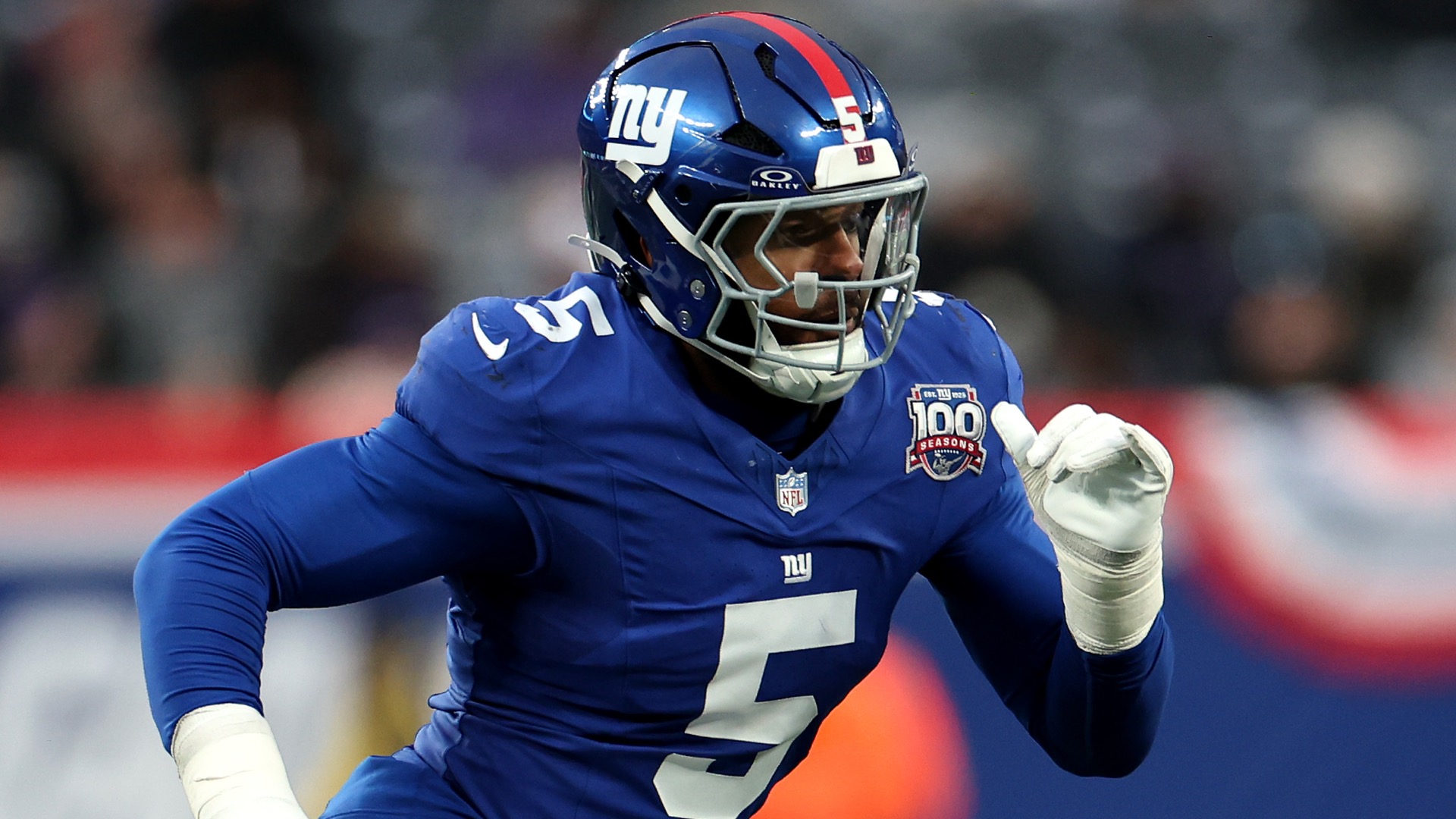
In a high-stakes gambit, Cincinnati traded the 10th overall pick in the 2026 draft to acquire Dexter Lawrence from the New York Giants. This strategic swing aimed to transform a defense that had struggled in the previous season into a formidable unit capable of pressuring quarterbacks and erasing lanes for opponents. Lawrence’s impact is measured not just by his snap counts but by the disruptive pressure he generates, even when he’s facing double teams. Last season, he logged 39 pressures despite dealing with injuries, and he faced double teams on a substantial portion of his 772 total snaps. Analysts noted that the combination of Lawrence, BJ Hill, and Jonathan Allen creates an interior front that can alter the way offenses scheme against Cincinnati.
Lawrence’s presence elevates more than his own stat line; it amplifies the effectiveness of the entire defensive line. ESPN’s Next Gen Stats highlighted how Lawrence and Allen rank among the top players in pass rush pressure when double-teamed, while Hill ranked among the league’s leaders in pass rush opportunities in similar circumstances. The net effect is a defensive front that can collapse pockets from the interior, forcing quarterbacks to rush throws or adjust their timing, which, in turn, supports the team’s coverage schemes.
Houshmandzadeh’s frustration with the comparison underscores a broader truth about evaluating teams across eras and levels. The LSU offense that dominated in 2019—featuring Burrow’s surgical accuracy, Chase’s speed and run-after-catch ability, Marshall’s versatility, and Edwards-Helaire’s rushing versatility—was built around a unique combination of talent, timing, and coaching that produced one of the most prolific offenses in college football history. Translating that same dynamic to a modern NFL squad requires more than star power; it requires cohesion across schemes, personnel development, and the ability to sustain success against calculating, high-caliber defenses week after week.
Beyond the quarterback and the defense’s front line, Cincinnati’s offseason additions also include young contributors like Boye Mafe and Bryan Cook. Mafe’s potential upside is widely acknowledged, even if his 2025 performance drew mixed reviews. When paired with Cook’s veteran presence and football IQ in the secondary, the Bengals are aiming to build a more complete, confident unit on both sides of the ball. The overarching narrative is simple: a team’s fortunes hinge on how quickly new pieces gel, how well the coaching staff can maximize each player’s strengths, and how the offense can maintain rhythm while adapting to the evolving trends of the league.
On paper, the Bengals appear loaded, particularly with Burrow at the controls. Burrow’s leadership and quarterback play have long been central to the franchise’s strategy, and this offseason’s acquisitions are designed to complement his strengths. The question that remains is whether the 2026 Bengals can sustain sustained success and climb higher than the sum of their parts. Burrow’s own confidence in the organization’s direction has been evident, and his leadership will be critical as the team navigates a demanding schedule and a league full of aggressive, strategic defenses determined to disrupt its plans.
As the season approaches, fans and analysts will watch closely to see how the Bengals balance explosive offense with a revamped defense designed to pressure opposing quarterbacks more consistently. Will the combination of a dynamic quarterback, a stronger interior defensive line, and improved secondary play translate into a team capable of challenging for playoff deeper runs and staying competitive against the league’s elite? Only time will tell, but the early momentum and the bold exchanges among players and analysts have already set the stage for what promises to be a compelling and closely watched season.
In the end, the debate about comparing a current NFL squad to a historic college unit is less about finding a perfect equivalent and more about recognizing the evolving dynamics of football talent. The Bengals’ 2026 roster move signals a clear intent to redefine the team’s ceiling, leveraging a proven interior disruptor to catalyze both the rushing attack and the pass defense. If the pieces fit and the coaching staff can maintain cohesion, Cincinnati could deliver a season that solidifies its standing as a formidable contender in a league that rewards both star power and strategic execution. The unfolding narrative will reveal whether this bold approach pays off and whether the team can meet, or perhaps even exceed, high expectations set by past legends.