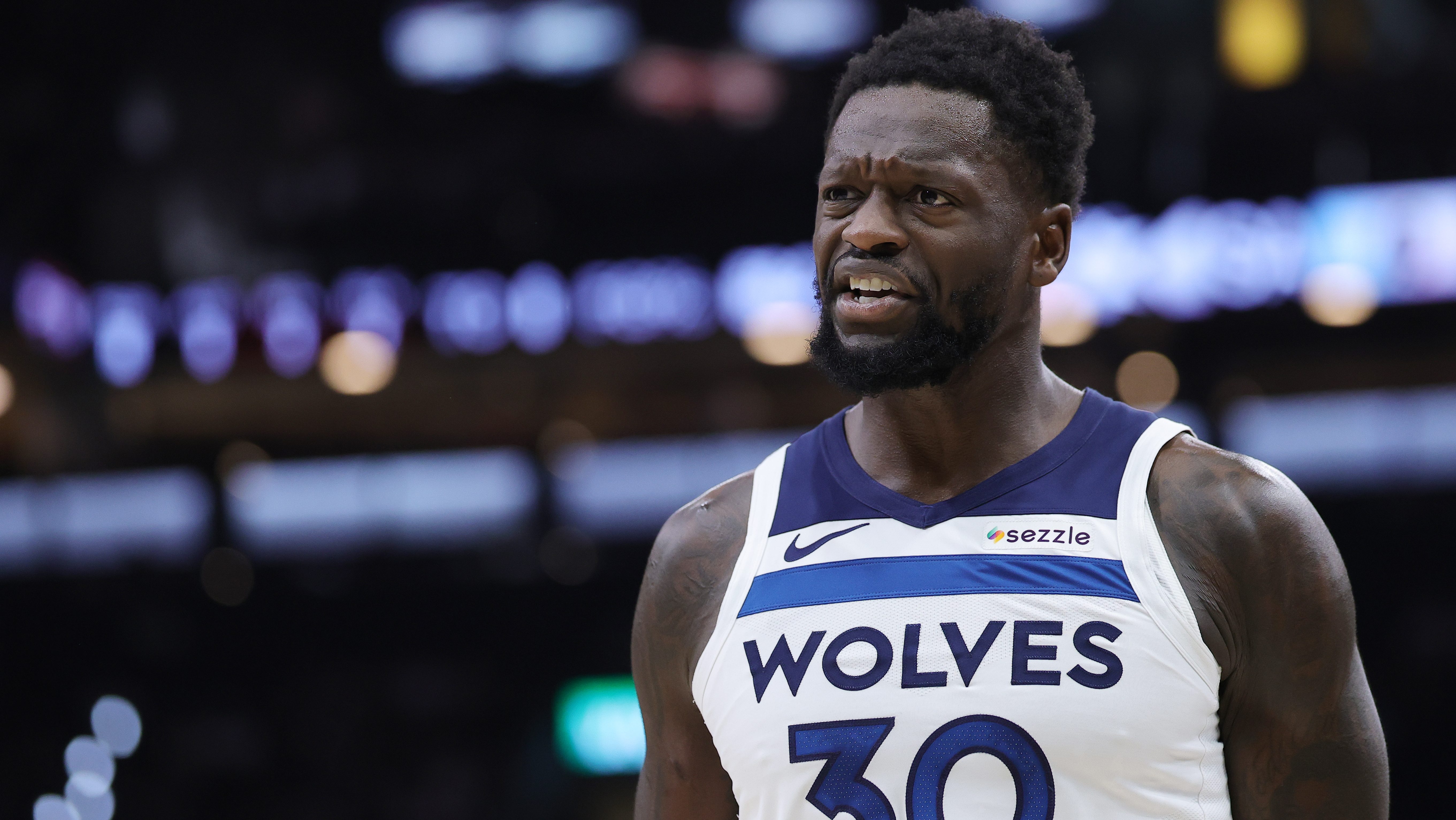
Last season, Randle delivered strong numbers for the Timberwolves, averaging 21.1 points, 6.7 rebounds, 5.0 assists, and 1.1 steals per game across 79 appearances. He shot 48.1% from the field and 31.5% from three-point range, contributing as a versatile forward who can create for himself and others.
The trade mechanics, as reported by reliable sources, involve Minnesota sending Randle and the 28th overall pick to Brooklyn. In the broader three-team framework, Brooklyn will send Claxton to Chicago, while Minnesota lands Brooklyn’s 33rd pick as part of the exchange. This sequence of moves is designed to address payroll considerations and open up future roster possibilities for all teams involved.
Reaction to the trade across social media and among analysts was swift, with fans and pundits weighing in on the potential fit and ripple effects for each franchise. Observers noted how the deal alters payroll commitments, trade exceptions, and cap flexibility for the Timberwolves, who now have the opportunity to pursue additional moves ahead of the season. For Brooklyn, the acquisition of Randle brings a proven scoring option to the lineup, while Chicago acquires Claxton and gains capital to help reshape its frontcourt rotation.
Randle’s presence on his new team will be watched closely as the season approaches. Teams will evaluate how his scoring versatility, playmaking, and experience can contribute in new lineups and systems. At the same time, Minnesota will reassess its long-term strategy, balancing payroll, draft capital, and potential future additions as they reconfigure their rotation.
In the broader context of NBA rosters and draft strategy, this three-team deal underscores how franchises leverage draft picks and salary relief to optimize fit and flexibility. As the league moves through the offseason, each team will be looking to maximize value from veterans, up-and-coming players, and strategic financial moves to position themselves for success in the upcoming campaign.
Key details to watch going forward:
– The impact of Claxton’s move to Chicago on Chicago’s frontcourt dynamics.
– How Minnesota’s acquisition of Brooklyn’s No. 33 pick translates into development opportunities or potential trade assets.
– How Brooklyn integrates Julius Randle into its system and the role he will play alongside existing players.
– The broader implications for payroll and luxury-tax considerations for all three teams.
This trade adds another chapter to the ongoing player movement in the NBA offseason, highlighting how teams navigate drafts, contracts, and positional needs to shape competitive rosters for the coming season. As negotiations continue and teams prepare for training camps, the full impact of these changes will unfold over the opening weeks of the regular season.