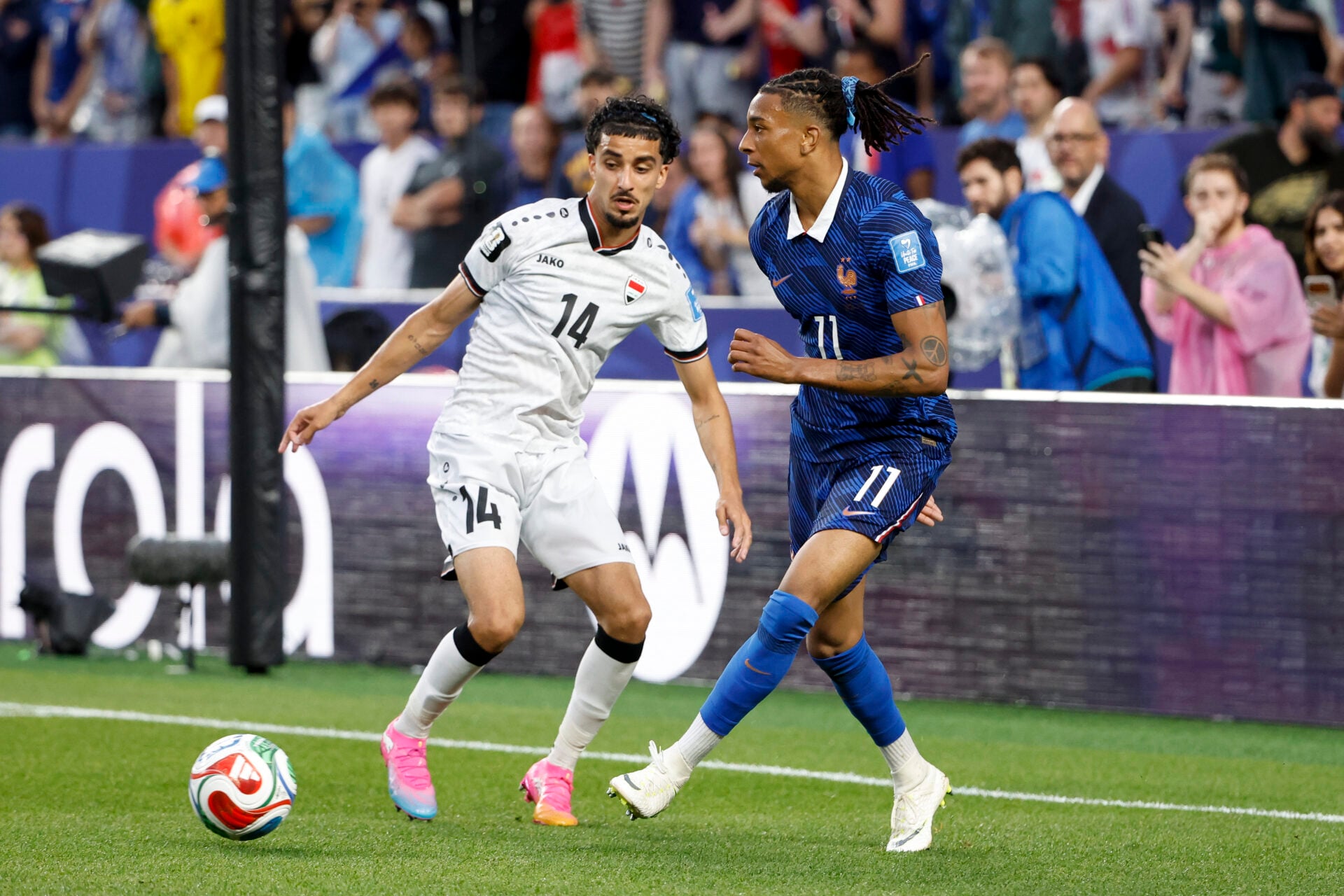
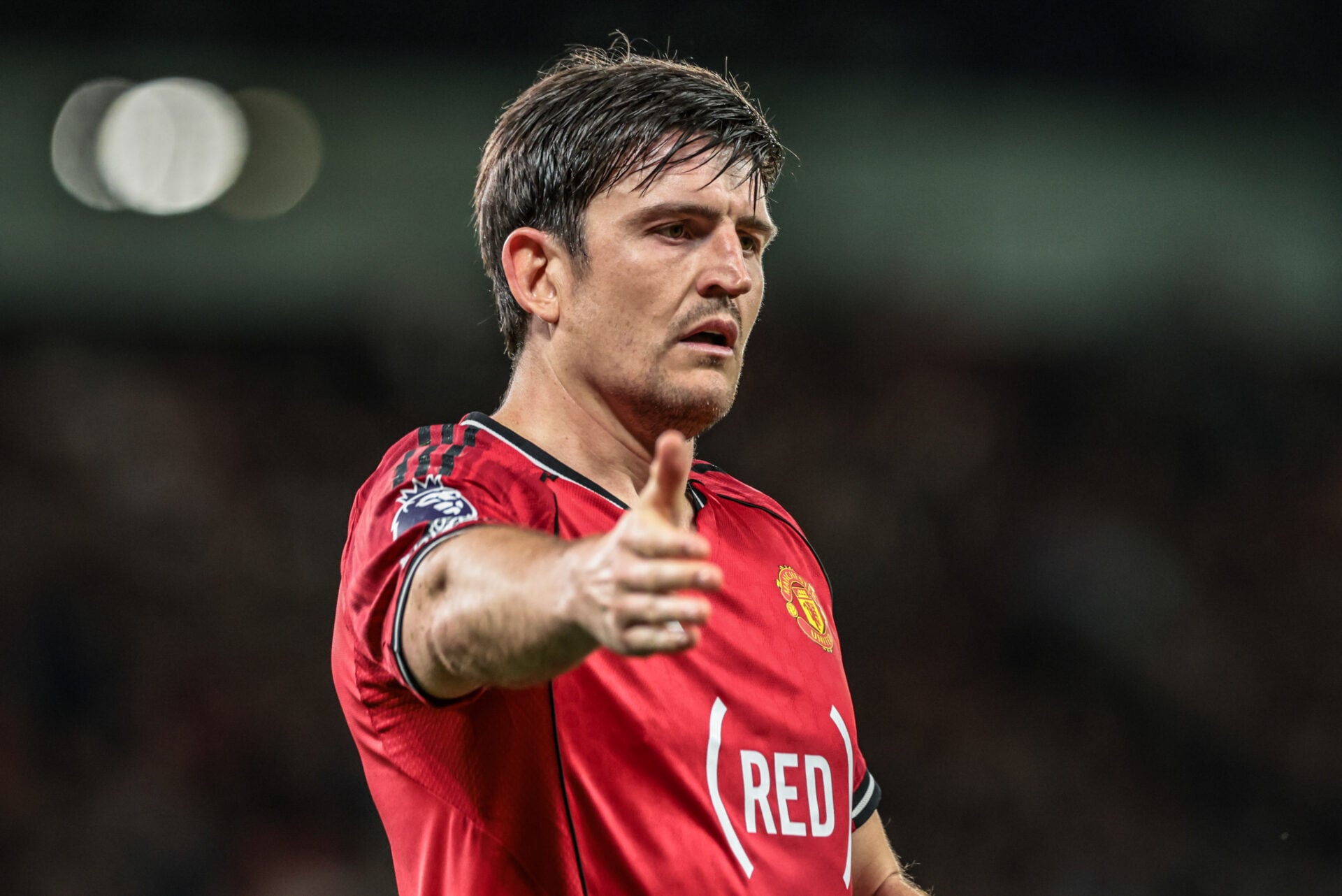
Rashford’s season was marked by clear superiority in several attacking metrics. At 28 years old, he brings a wealth of experience from his time with Manchester United, England, and his stint on loan with Barcelona, where his pace, verticality, and goal contributions from the left flank helped influence matches. Given his demonstrated production, the instinct for many observers was that Barcelona should have activated the €30 million buy option to secure him on a permanent basis. However, the deadline passed without the club finalizing that deal.
Several factors help explain why Rashford’s acquisition did not materialize, beyond pure on-pitch quality. The financial commitment was substantial: a significant upfront fee coupled with high wages, which had to be weighed against the club’s existing wage structure and competing signings. Another factor was the arrival of Anthony Gordon, which further reshaped the attacking map and the allocation of wages and playing time within the squad. In short, Barcelona had already invested heavily in another Premier League winger, making the case for additional expenditure harder to justify.
This dynamic sets the stage for considering Jan Virgili as a different kind of asset. Virgili is younger, cheaper, and presents a different kind of value proposition. Rather than viewing him as a direct replacement for Rashford, the club appears to be contemplating a strategic, market-driven move: a low-cost, high-upside transfer that could be developed, loaned, or integrated as progression warrants.
Virgili’s situation adds another layer of complexity. He was previously sold to Mallorca in 2025, with Barcelona retaining 40% of any future sale and a right of first refusal. Mallorca’s relegation subsequently reduced Virgili’s release clause, creating a potential effective cost of around €7.2 million for Barcelona given the rights they still hold. This framework makes Virgili an attractive option from a risk-reward perspective: a young winger who can be developed within the squad’s system or used as a flexible asset in trade scenarios.
The central question is not whether Virgili can perform at the same level as Rashford, which would be an unreasonable expectation. Rather, the focus is on the long-term strategic value: could Virgili serve as a development project and a low-risk acquisition that preserves flexibility in the squad while offering potential upside? In this light, Virgili becomes a market play rather than a direct replacement for Rashford.
From a sporting perspective, Virgili’s return would not be intended to mirror Rashford’s immediate impact. The club has already brought in Anthony Gordon to address the left-wing position, which suggests a plan to build depth and versatility rather than to hinge the project on a single, high-cost star. The combination of Gordon and Virgili could provide a balanced solution: Gordon offering immediacy and flare on the left, with Virgili providing developmental potential and future value, possibly even a future transfer fee boost if his development accelerates.
This approach aligns with Barcelona’s history of strategic asset management. Past moves have shown a willingness to recycle players in a way that preserves flexibility: acquiring talent at lower costs, nurturing it, and, if the market permits, moving it on for a profit. The decision to potentially bring Virgili back would thus be less about replacing Rashford in a head-to-head sense and more about constructing a rounded squad that can compete across multiple competitions without overcommitting to any single, expensive asset.
Looking ahead, if Barcelona does pursue Virgili, several outcomes could unfold. He could be integrated into the first team during pre-season and given opportunities to prove himself in competitive contexts. Alternatively, he might be gradually developed through loans or rotation to preserve budgetary discipline while monitoring his progress. The upside lies in the possibility of a modest financial outlay producing a player who develops into a valuable contributor or even a future resale asset.
In conclusion, Rashford’s superior track record is clear, but the strategic rationale behind considering Virgili reflects a broader, financially prudent plan. It emphasizes youth, cost control, and developmental potential within a framework that values squad flexibility. Whether Virgili returns to Barcelona to contribute immediately or to align with a long-term plan remains to be seen, but the discussion itself highlights how clubs balance immediate performance with sustainable growth in today’s transfer market.