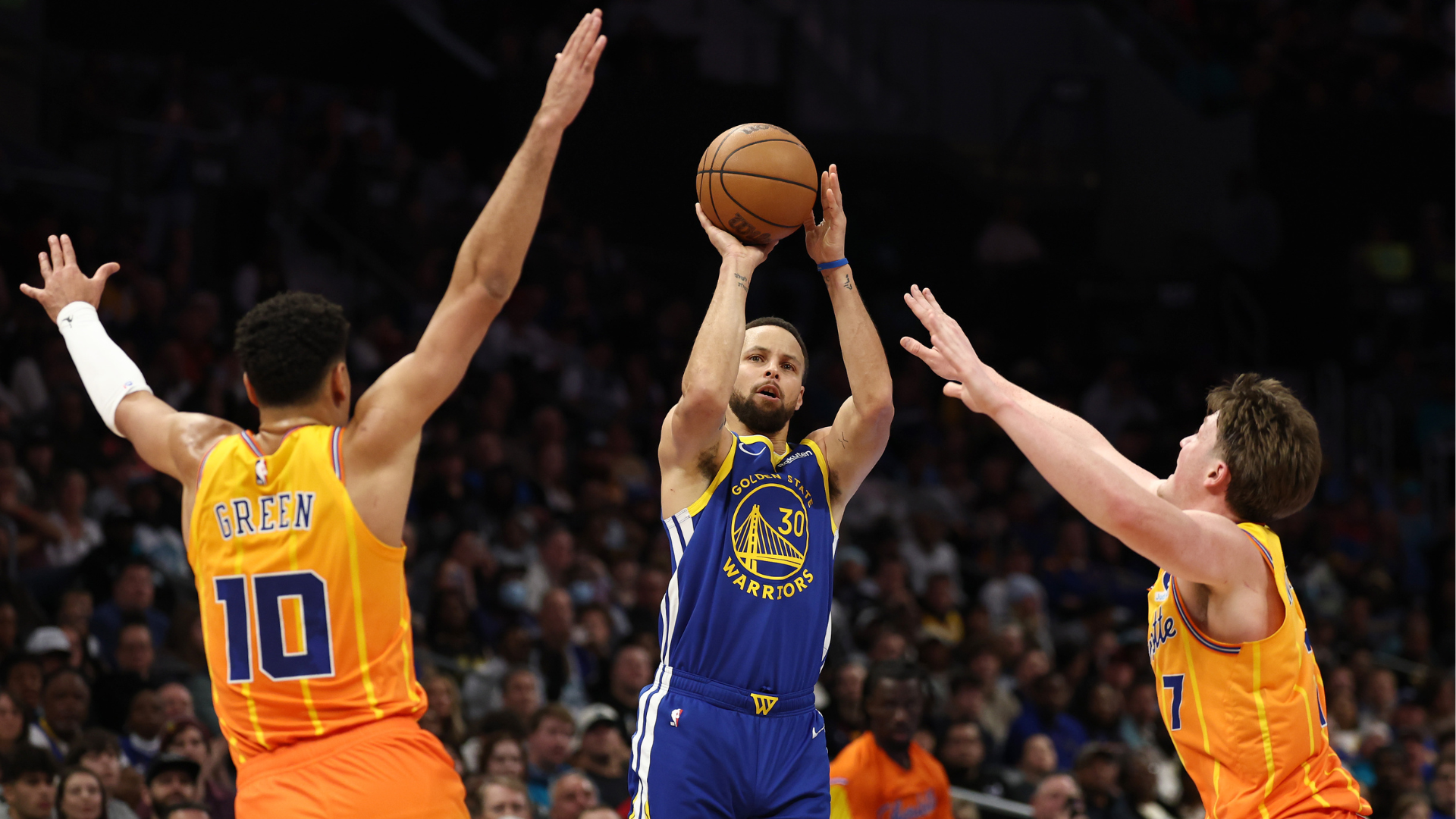
One intriguing scenario centers on trading for a perennial star who already has proven impact at the top of the NBA ladder. In this envisioned deal, Boston would relocate a young, All-Star-caliber wing to acquire a scoring virtuoso who can carry the offense in moments when the starters rest and in crowded playoff series. The proposed package would focus on moving a young, high-impact guard-forward to balance risk with potential reward. In exchange, the Celtics could receive a veteran scorer who has demonstrated the ability to produce in high-leverage moments, along with protected or upcoming future draft selections to help with long-term flexibility.
Key components of the hypothetical trade include:
– The Celtics would send a young star to the other franchise in return for a veteran scorer who can immediately elevate their playoff prospects.
– The return would likely include one or more future first-round picks to entice the other team, reflecting the value of a proven elite talent and the desire to maintain a pipeline of talent for the future.
– Additional protections or contingencies on draft assets could be part of the deal to align with the cap and roster needs of both sides.
From Boston’s perspective, the draw of adding a top-tier scorer is clear. A player who can create his own shot, draw defensive attention, and hit crucial baskets in late-game situations would complement Jayson Tatum by providing another elite option for crunch-time offense. This would potentially reduce the pressure on Tatum to generate offense every possession, allowing the Celtics to deploy two heavy-hitting scoring threats on the floor together. It would also give coach and front office a more versatile toolkit to respond to different playoff matchups and defensive schemes.
Durability and age are notable considerations when evaluating any veteran addition of this magnitude. While the target player may be on the later side of his prime, recent seasons have shown that he can still contribute at a high level across a substantial number of games. His experience—especially in playoff settings—could translate into a more polished, poised approach for a team aiming to advance further in the postseason. Teams contemplating such a move typically weigh the immediate impact against the longer-term implications of age, contract commitments, and the durability history.
The trade, in this framework, would also aim to preserve flexibility in other areas of the roster. The Celtics would need to balance salaries so that they can maintain depth and defensive versatility. The inclusion of future draft picks serves multiple purposes: it helps balance the trade’s value, signals a long-term commitment to remaining competitive, and provides the organization with future opportunities to adjust the roster through additional moves if needed.
Defensively, the addition of a premier scorer who can hold his own on the perimeter could raise the Celtics’ ceiling in several ways. It would likely require some adjustments to rotations and coverage schemes to ensure seamless off-ball movement and help defense. The team would need to integrate the new talent without sacrificing the cohesion that has characterized Boston’s defense in previous campaigns. A player who can switch across multiple positions and maintain high effort on the boards would be a valuable fit alongside a dynamic, switch-heavy system.
On the offensive end, pairing a high-caliber scorer with Tatum would present a formidable pairing. Opponents would face the dilemma of which of Boston’s two elite scorers to prioritize, potentially freeing up opportunities for role players to contribute more effectively. The added scoring punch could translate into more reliable second and third options in crucial moments, helping to sustain momentum during runs and mitigate lulls when defenses clamp down on primary ball handlers.
Given the financial aspects of such a move, cap considerations would be a major talking point. A veteran star carries a substantial salary, and teams must assess how this affects the rest of the roster’s ability to contribute meaningfully. The Celtics would also consider how an extended contract or a vehicle like a player option could influence long-term planning. The objective would be to create a window for contention over a few seasons while preserving enough cap space to continue building around a core group of young talents.
For fans evaluating the potential trade, it’s important to distinguish between short-term win-now drives and sustainable, long-term competitiveness. A move that brings immediate playoff success is compelling, but teams must also remain mindful of how the roster will age and how salaries will evolve as new deals approach their peaks. Draft capital can provide a safety valve, enabling the organization to pivot if on-court results begin to plateau or if injuries necessitate a recalibration of the roster.
In summary, a blockbuster trade that pairs the Celtics’ young core with a veteran scorer could propel Boston back into the top tier of the NBA’s contenders. The key ingredients would include strategic asset management, careful cap planning, and thoughtful integration of a high-impact player into a system built on spacing, pace, and two-way versatility. While such a move carries risks—chief among them age, durability, and how quickly a new piece can gel with an established core—the potential payoff is a refreshed title window and a fresh surge of excitement for Celtics fans. The franchise’s strategy in the coming weeks will determine whether this ambitious path becomes a reality, or if alternative routes emerge that similarly elevate the organization toward championships.