Managerial spotlight and early-season optimism
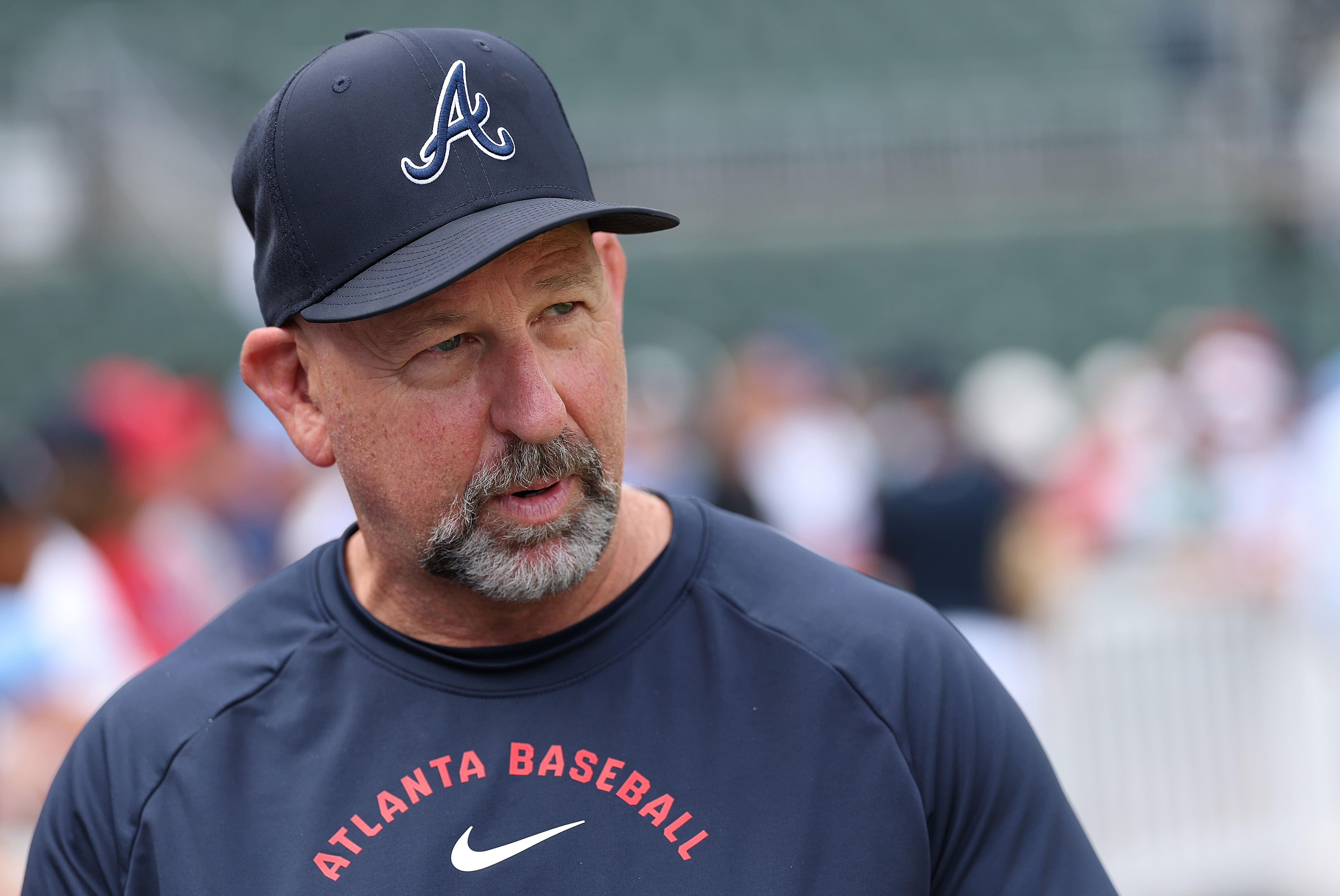
The Braves entered the season with Walt Weiss at the helm after the organization promoted him to manager during the offseason. Weiss inherited a team that had been competitive and had shown strong potential, and early results reflected that outlook. Through the first portion of the campaign, the Braves stood atop the National League East with a robust record, illustrating confidence in Weiss’s leadership and the players’ ability to adapt to a new coaching style.
Support within the clubhouse has been a recurring theme, with veteran voices and former Braves legends weighing in on Weiss’s approach. The clubhouse environment appeared collaborative, with players acclimating quickly to the new managerial style. Weiss emphasized accountability and consistency, aiming to push the roster to perform at a high level across prolonged stretches of the season.
A notable perspective from within the organization came from Chipper Jones, a longtime Braves icon, who publicly endorsed the managerial change. In media discussions ahead of the season, Jones highlighted the advantages of appointing a manager who is familiar with the franchise and its culture. He pointed to Weiss’s experience, readiness, and ability to hit the ground running as key factors that could help the team maintain momentum from spring training into the regular season.
Jones also underscored the importance of familiarity and established relationships in making a new coaching transition smoother. He noted that a smooth start could prevent the kind of half-season acclimation that sometimes accompanies changes in leadership. The expectation was that Weiss would hold players to high standards while fostering an environment where teammates trust and support one another, ultimately contributing to sustained success on the field.
Season progress and on-field dynamics
As the season progressed, the Braves demonstrated a well-rounded roster capable of powering through challenging moments. The team’s performance in the early months suggested they were well-positioned to contend within their division, leveraging a mix of strong pitching, timely hitting, and solid defense. Weiss’s guidance appeared to align with the roster’s strengths, focusing on process-oriented play and incremental improvement.
In games where the team faced setbacks, the Braves showed resilience, often bouncing back with disciplined at-bats and strategic pitching decisions. The combination of experienced veterans and emerging players contributed to a balanced lineup that could adapt to various opponents and game situations. The managerial plan emphasized preparation, situational awareness, and accountability, encouraging players to execute with consistency across the lineup.
What to watch moving forward
– Continued leadership impact: Weiss’s ability to maintain a cohesive team culture will be tested as the season unfolds. Keeping players engaged, managing workloads, and reinforcing a high standard of play will be critical for maintaining momentum.
– Development and depth: With a focus on player development, expect regional and national scouts to monitor the progression of younger talents and bench players who can contribute meaningful at-bats and versatile defense.
– Pitching depth: A strong pitching staff remains pivotal. Evaluating starters’ health, bullpen utilization, and late-inning reliability will be essential to sustaining success throughout the schedule.
– Offensive balance: A productive offense that can produce runs in different ways—through home runs, small-ball tactics, and situational hitting—will help offset any rough stretches.
– Standings and division race: As the season advances, the Braves will aim to consolidate their position at or near the top of the division. Maintaining consistency against both strong and weaker opponents will be a key determinant of their fate in the standings.
Closing thoughts
The early-season phase showcased a Braves club that believed in its leadership and in Weiss’s vision for the team. The blend of veteran leadership, a solid core, and a commitment to accountability suggested that Atlanta could remain competitive throughout the year. While the latest game results may have included a setback, the broader arc indicated potential for sustained success as the season moves forward. The organization will likely continue prioritizing preparation, player development, and a culture of accountability to support continued progress on the field.