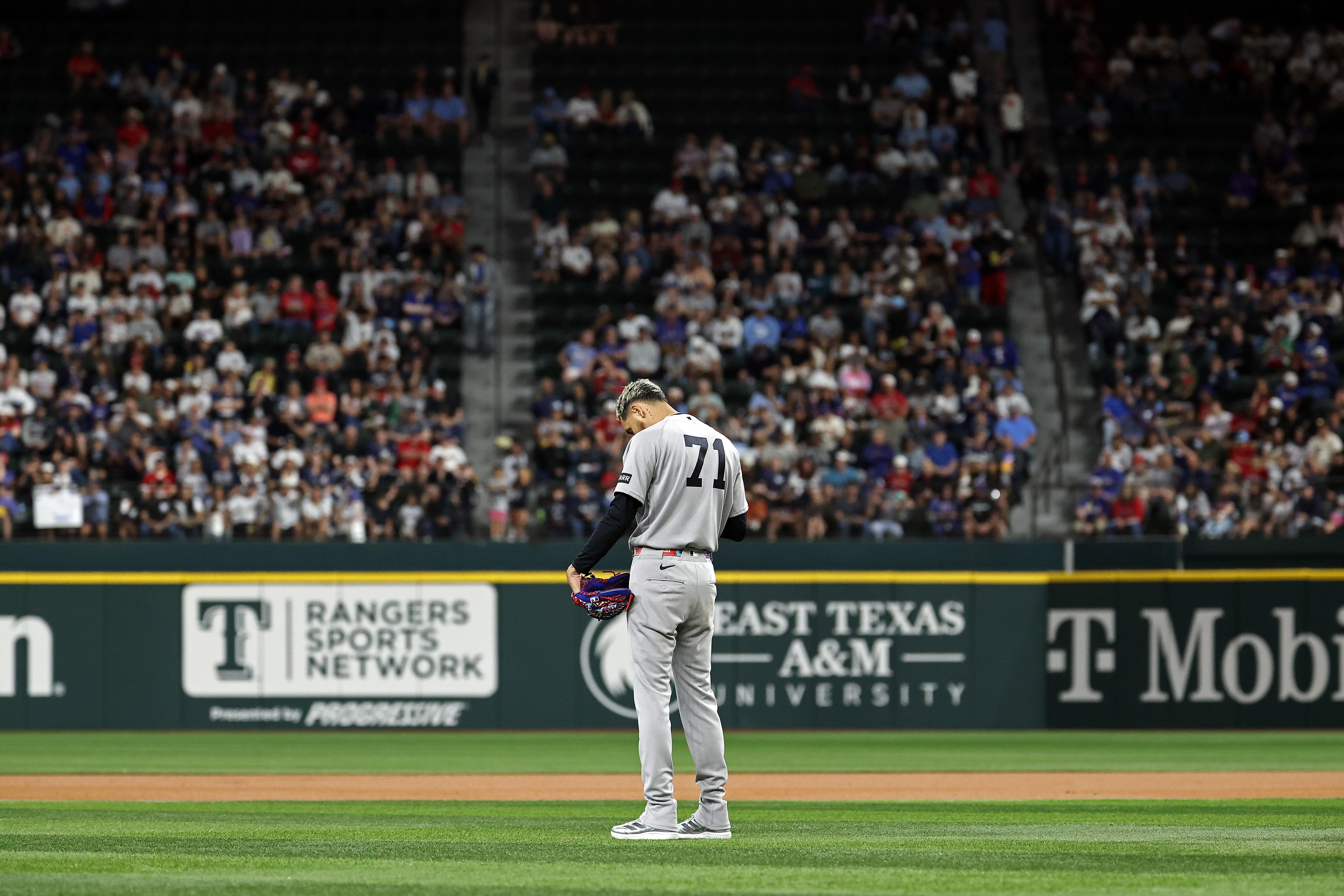
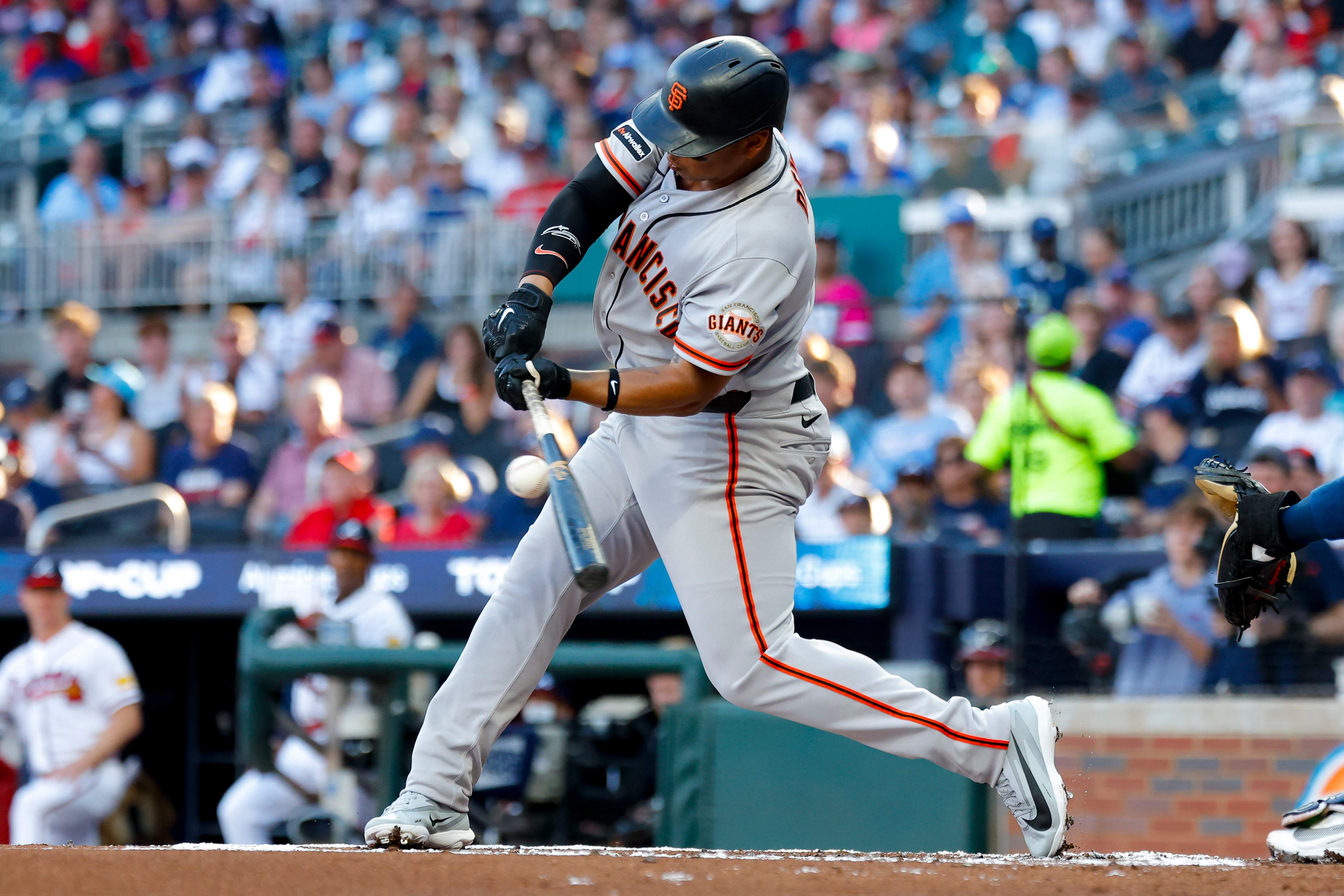
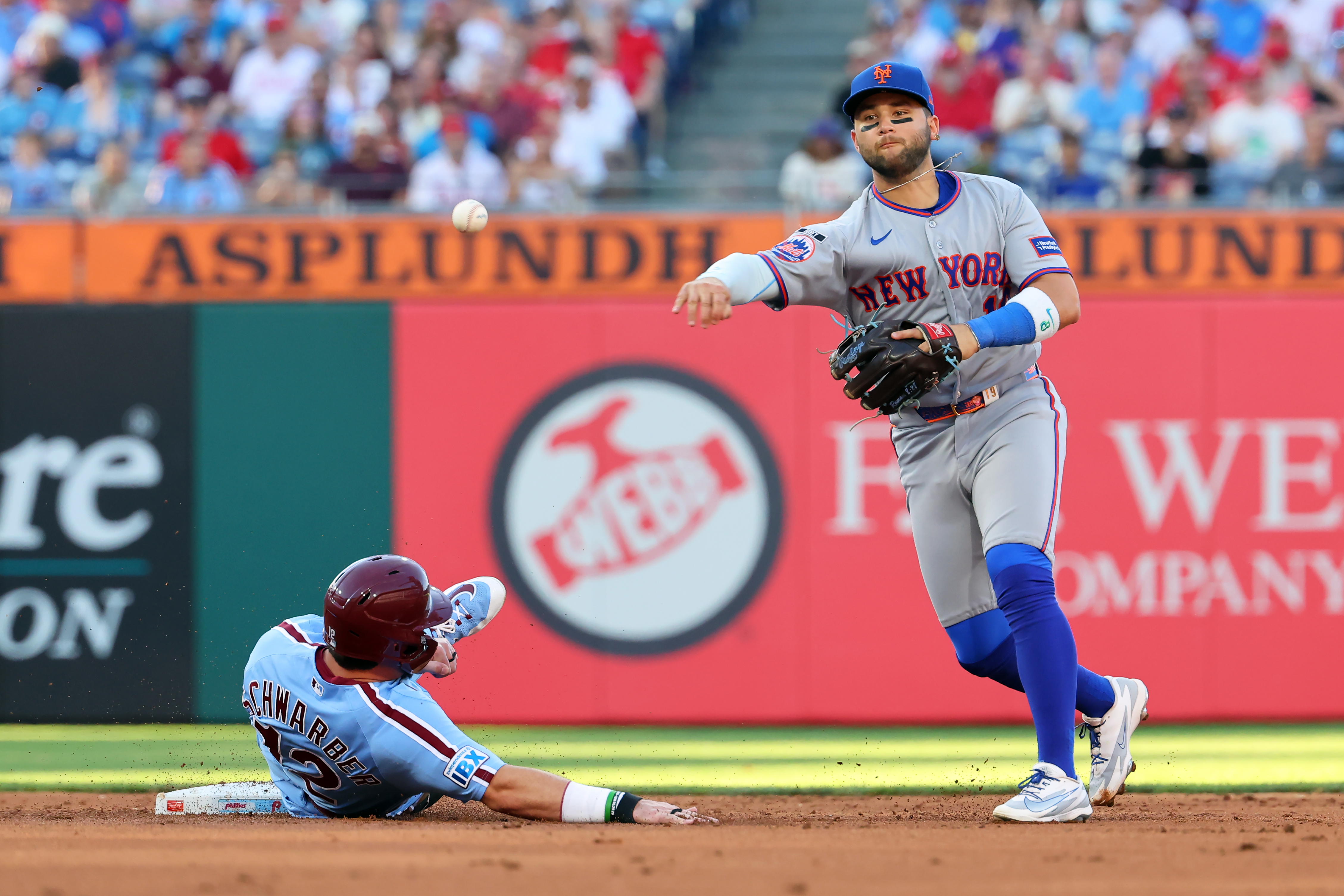
One compelling possibility is Sean Murphy of the Atlanta Braves. Murphy has dealt with injuries this season and is expected to return to action in July. If he can stay healthy, Murphy offers solid upside with power and a track record of contributing at the plate. His presence could provide valuable flexibility for the Yankees, giving them a reliable right-handed bat to pair with Wells and potentially create a more balanced catching tandem.
Murphy’s injury status is a consideration, but his 2025 performance offers encouragement. In that season, he posted 16 home runs over 94 games, indicating there is power in his bat when fully healthy. The Braves recently acquired another catcher to support their depth at the position, which could make Murphy more available in a move if Atlanta is looking to manage its payroll or clear a path for younger players. The timing could line up for a potential swap, especially if the Braves are open to moving Murphy as part of broader changes at catcher.
From the Yankees’ perspective, any potential deal would need to address several factors. Jeffers remains a central name in trade discussions, though he has missed time with injuries recently. His production earlier in the season suggests he could still be a valuable contributor, but durability and returning performance are considerations for any acquisition. Murphy’s contract status could also influence the decision. If the Braves are willing to absorb a portion of Murphy’s salary, it could lower the cost of the deal for the Yankees. In return, Atlanta might seek a top-25 prospect, depending on the overall package and the team’s long-term plan at catcher.
The Yankees also have internal options to consider. Ali Sánchez has shown steady performance, though JC Escarra’s production in June has raised concerns. Austin Wells, who has been sidelined by injury, represents a key part of the organization’s catcher depth and long-term plan. Any trade target would need to harmonize with Wells’ development and the Yankees’ broader roster strategy, ensuring a true platoon setup that maximizes run production and defensive reliability.
Trade discussions around Murphy would also require weighing his long-term fit with the Yankees’ payroll structure and prospect outlook. If New York can acquire Murphy at a reasonable price and limit the escalation of a multi-year commitment, he could present a solid short-to-mid-term upgrade behind the plate. Conversely, a deal for Jeffers might come with different risks and rewards, particularly if health becomes an ongoing concern.
Beyond Sean Murphy, other trade candidates could emerge as teams evaluate their own needs versus market availability. The Yankees have shown willingness to explore external options to heighten catching depth, and a strategic mix of veteran reliability and upside prospects could shape the final decision. The objective remains clear: establish a productive platoon behind the plate that complements Wells’ strengths, enhances on-base and power potential, and shores up a catcher position that has underperformed relative to expectations.
In summary, while Ryan Jeffers remains a consideration, Sean Murphy stands out as a plausible trade target who could fit the Yankees’ objective of creating a productive catching platoon. If Murphy returns fully from injury and the financials align, a trade could be a worthwhile risk for New York. The decision will hinge on health projections, contract terms, and the willingness of both clubs to exchange players who can contribute immediately while preserving long-term upside. As the season progresses, more potential targets and market dynamics will shape whether a catcher’s upgrade becomes a reality for the Yankees.