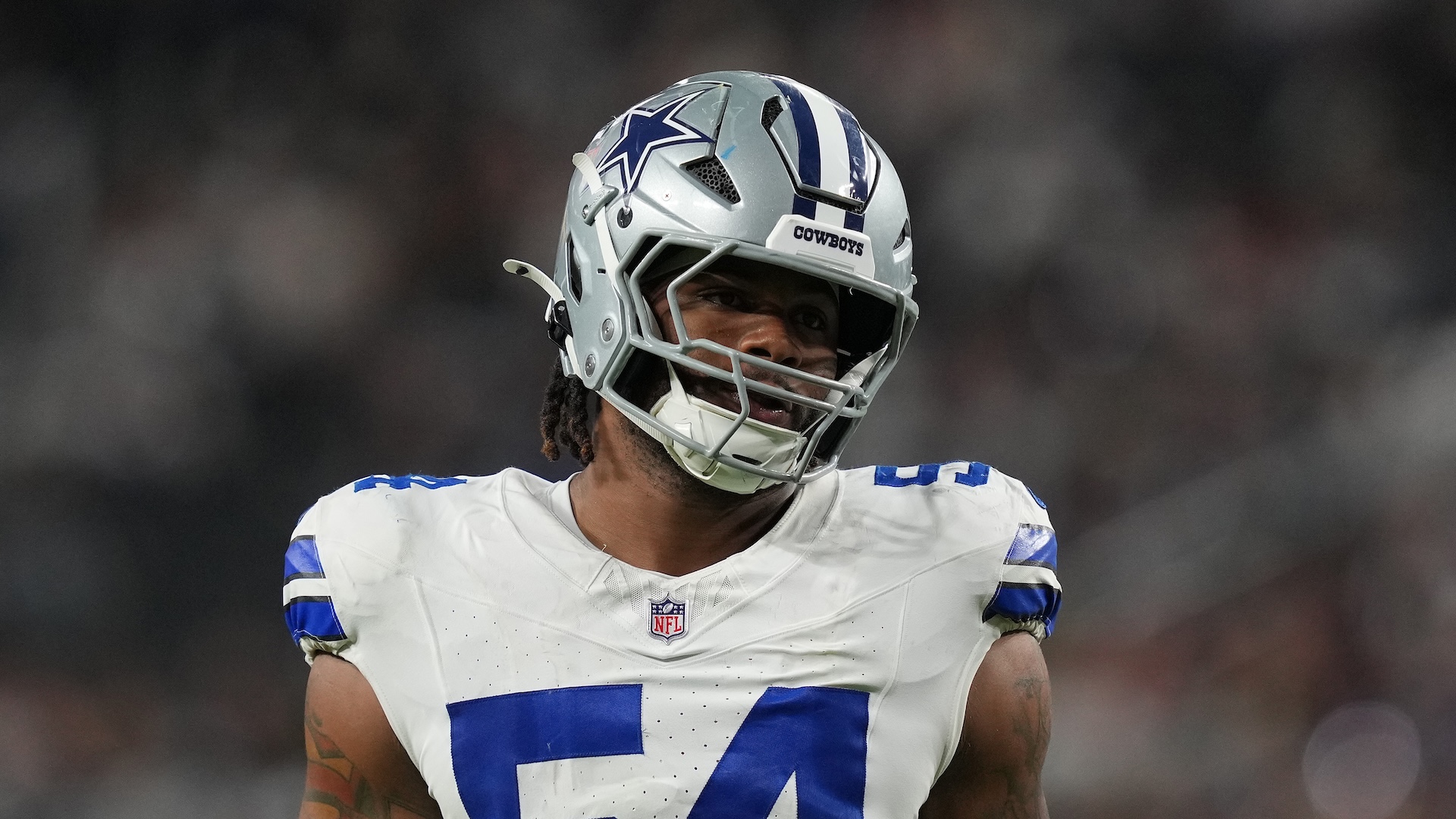
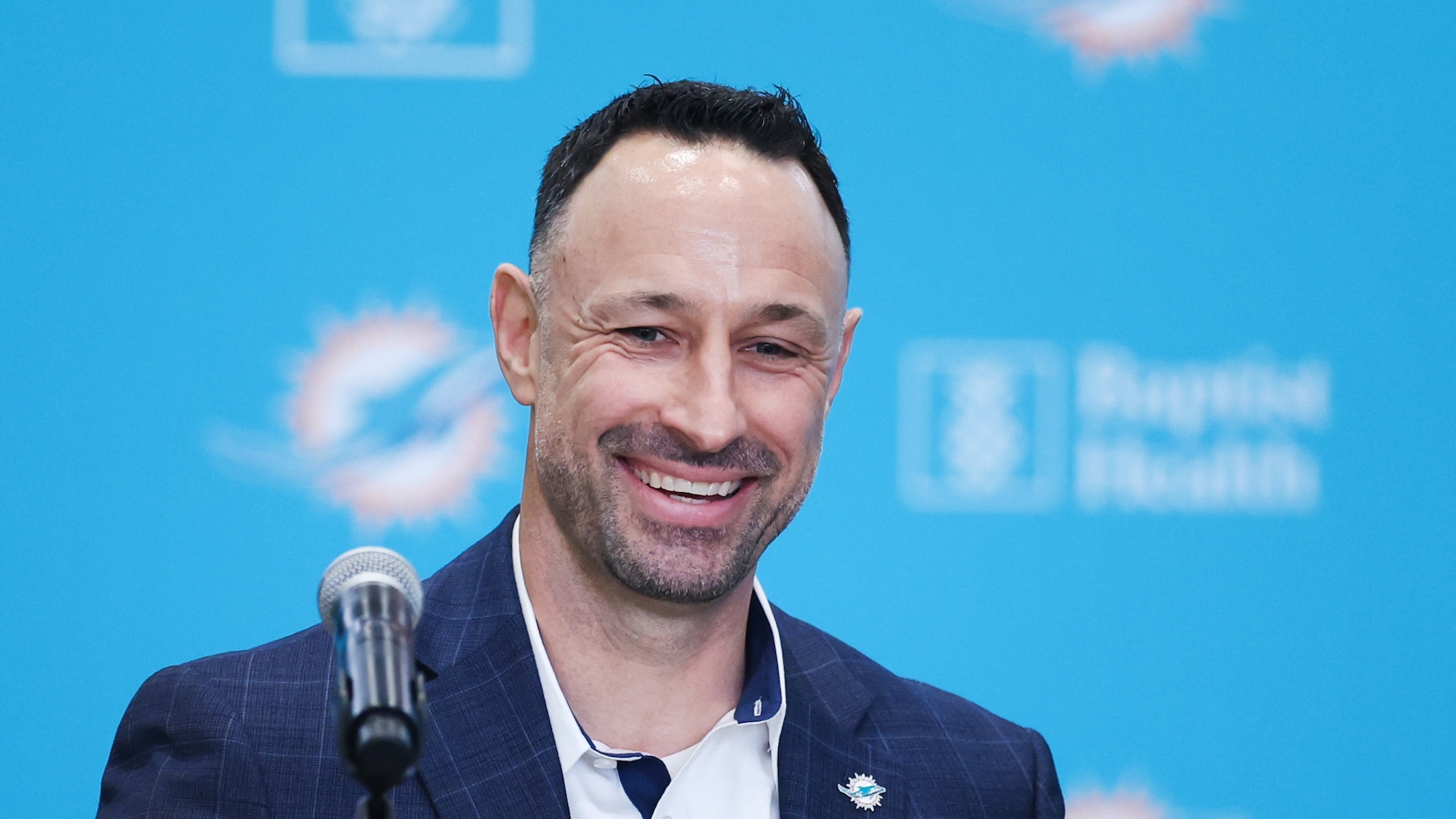
Leadership changes mark the start of the retooling. After 18 seasons, head coach John Harbaugh has stepped aside, with Jesse Minter taking over as the new head coach. Minter, at 43, arrives as a first-time head coach, bringing a fresh perspective to the franchise. On the offensive side, the aging framework is being overhauled as 60-year-old Todd Monken transitions out of his role, and a younger voice in Declan Doyle, 30, assumes the duties of offensive coordinator. This shift signals a broader strategic emphasis on youth and potential over veteran stability.
The roster changes extend beyond coaching staff. Historically, the Ravens have leaned on veteran wide receivers to fortify the passing game—names like Odell Beckham Jr., DeSean Jackson, and DeAndre Hopkins have dotted past rosters. In this new cycle, the team appears to be prioritizing development and upside from younger receivers, counting on players who are still early in their professional journeys to emerge as significant contributors. Among the rookies drawing attention are Ja’Kobi Lane and Elijah Sarratt, who are positioned to influence the offense as the season unfolds.
Early in the offseason, Elijah Sarratt has already made an impression. With the top two receivers, Zay Flowers and Rashod Bateman, not participating in certain mini-camp sessions, Sarratt stepped into a first-team role and demonstrated the ability to adapt quickly to the NFL environment. Observers have noted his standout moments during these sessions, highlighting his early integration into the new offensive system and his potential to contribute once the regular season begins.
Reports from analysts and beat writers indicate that Sarratt’s performance has sparked notable optimism within the organization. A prominent takeaway is the coaching staff’s acknowledgment that there will be opportunities in larger-than-usual spots for Sarratt, as well as for Ja’Kobi Lane, given the depth and rotation of weapons at the receivers’ position. The new head coach, Minter, has underscored the potential for multiple receivers to seize meaningful opportunities, especially as they acclimate to a completely new offensive framework compared with their collegiate experiences. The emphasis here is on versatility and learning a fresh system quickly, with the expectation that at least one of these young receivers can become a reliable target in critical moments.
In addition to Lane and Sarratt, Devontez Walker has emerged as a player to watch. Walker, entering his third year, has drawn praise for his increased confidence and assertiveness during off-season practices. With the team opting not to add an established veteran at receiver this offseason, Walker’s development is being viewed as a key indicator of the organization’s faith in homegrown talent. Analysts note that Walker has shown the capability to become a consistent weekly contributor, provided he can maintain the progress through training camp and into the regular season. His competition for the No. 3 receiver spot will also involve Ja’Kobi Lane and Elijah Sarratt, highlighting a crowded and competitive position group.
The Ravens enter training camp with several unresolved questions at the wide receiver position. The coaching staff and front office will be watching closely to determine which players emerge as reliable targets for quarterback LJ Jackson, and how the young corps will mesh with the new offensive system. The hope is that by Week One, the offense will have a clearer picture of who will function as the primary third option, and how the balance between run and pass plays will unfold with the revamped approach.
Beyond the wide receiver group, the broader theme of youth and development extends to the team’s overall strategic approach. By prioritizing younger players and a new offensive philosophy, the organization is signaling a longer-term plan that seeks sustainable growth rather than short-term fixes. This strategy is designed to cultivate depth, adaptability, and a learning culture that can support a more dynamic style of play.
As the season approaches, fans and analysts will be watching how quickly the rookies and second- and third-year players adapt to the new terminology, playbooks, and schemes. The NFL landscape rewards players who can rapidly absorb new systems and transfer college experiences into productive NFL performances. The Ravens’ success will hinge on their ability to capitalize on these young players’ potential, develop cohesion within the offense, and build a reliable pass game that complements a strong, evolving defense.
In summary, the Ravens’ offseason has been defined by a commitment to renewal. With a new coaching hierarchy, a reimagined offensive scheme, and a focus on developing young receivers who can grow into key roles, the team aims to create a fresh function that can compete at a high level in the evolving league. The path forward centers on growth, learning, and the emergence of new leaders who can help guide the franchise toward sustained success in the coming seasons.