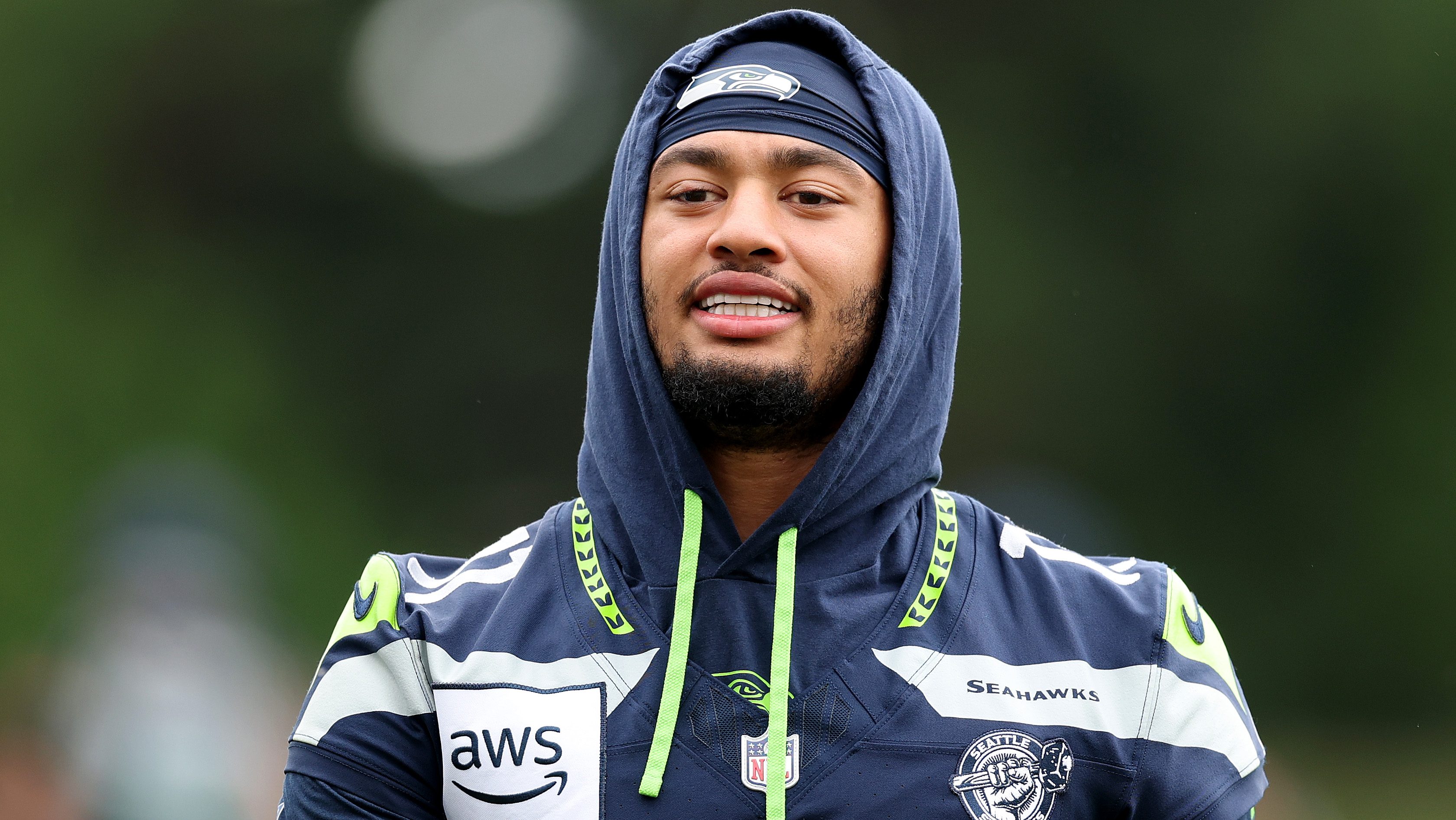
Bates, a three-time All-Pro with a track record of production, has recorded interceptions, forced fumbles, and notable tackling efficiency over the course of his NFL career. In isolation, adding a defender of Bates’s caliber could enhance a secondary that is expected to play a more versatile role with its personnel. If the Jets intend to deploy Minkah Fitzpatrick closer to the line of scrimmage in certain packages, adding a high-caliber safety could help cover more ground and create additional turnover opportunities. A veteran presence like Bates could also provide leadership and a steadier communication level across the back end.
However, there are compelling reasons to be measured about a big-ticket addition at this stage. The Jets are coming off a difficult 3-14 season and are in the process of balancing immediate competitiveness with long-term development. Investing significant resources into a veteran on a contract that may exceed the value of a purely youth-driven rebuild risks misallocating cap space that could be used to groom younger players who might become foundational pieces for the next several seasons.
From a financial and strategic perspective, the Jets already invested in veteran help this offseason, adding players who bring experience and reliability. While Bates’s playmaking ability is undeniable, teams must consider whether one veteran addition is the right move when there are promising young safeties on the roster or in the pipeline who could grow into a starter role with more time and development. Relying on youth can yield high upside if the organization provides the right coaching, development time, and opportunity.
The Jets have invested significant rounds of resources to retool the defense and build depth. Names such as Malachi Moore, Andre Cisco, and Dane Belton represent a newer group that the coaching staff believes can contribute meaningfully, either as emerging starters or versatile role players. The question becomes whether Bates’s presence would accelerate the growth trajectory of these younger players or whether it would reduce their on-field opportunities to prove themselves. In a rebuild or early-contest phase, giving young players extended chances to develop can pay off in the long run, especially when the coaching staff emphasizes competition and player-driven advancement.
Evaluating fit is crucial. Bates’s strengths—ball-hawking instincts, leadership, and big-game experience—could bolster a secondary that is still finding its footing. On the other hand, adding him could alter the dynamic of the defensive unit, potentially limiting the playing time or development path of younger safeties who need to gain experience in live-game situations. If the Jets can establish a plan where Bates contributes as a bridge while the youngsters grow, there could be a constructive outcome. If the plan is to rely heavily on Bates immediately, the question becomes whether the long-term benefits justify the short-term veteran salary and potential draft capital required for the trade.
Another factor is the current depth chart and scheme fit. If the Jets envision a defense that emphasizes flexibility, multiple safeties who can play near the box, deep center-field coverage, and interchangeable roles in nickel packages, Bates could align well with that concept. Yet the coaching staff must be confident that the acquisition would not merely be a stopgap, but rather a strategic step that accelerates the development of younger players and maximizes overall team performance.
In evaluating whether the Jets should pursue such a move, leadership should consider:
– Cost vs. value: Can the team afford the financial commitment and potential trade assets without compromising future cap flexibility?
– Development vs. immediate help: Will Bates’s addition impede or accelerate the growth of younger safeties?
– Long-term plan: Does Bates fit the organization’s blueprint for the next three to five years, or would resources be better allocated to progression and depth at multiple positions?
– Team chemistry and culture: How would a veteran of Bates’s stature influence the locker room, particularly with a roster that includes several young players eager to prove themselves?
Ultimately, any potential trade for a player like Bates should be weighed against clearer milestones for improvement and a defined path for youth development. The Jets have an opportunity to construct a defense that not only addresses current needs but also sets a foundation for sustained success. If the club decides that a veteran addition supports that path without compromising future growth, such a move could be worth considering. If not, prioritizing competition for starting roles among younger safeties and shaping the lineup through a balanced mix of youth and experience may yield stronger, longer-term returns.