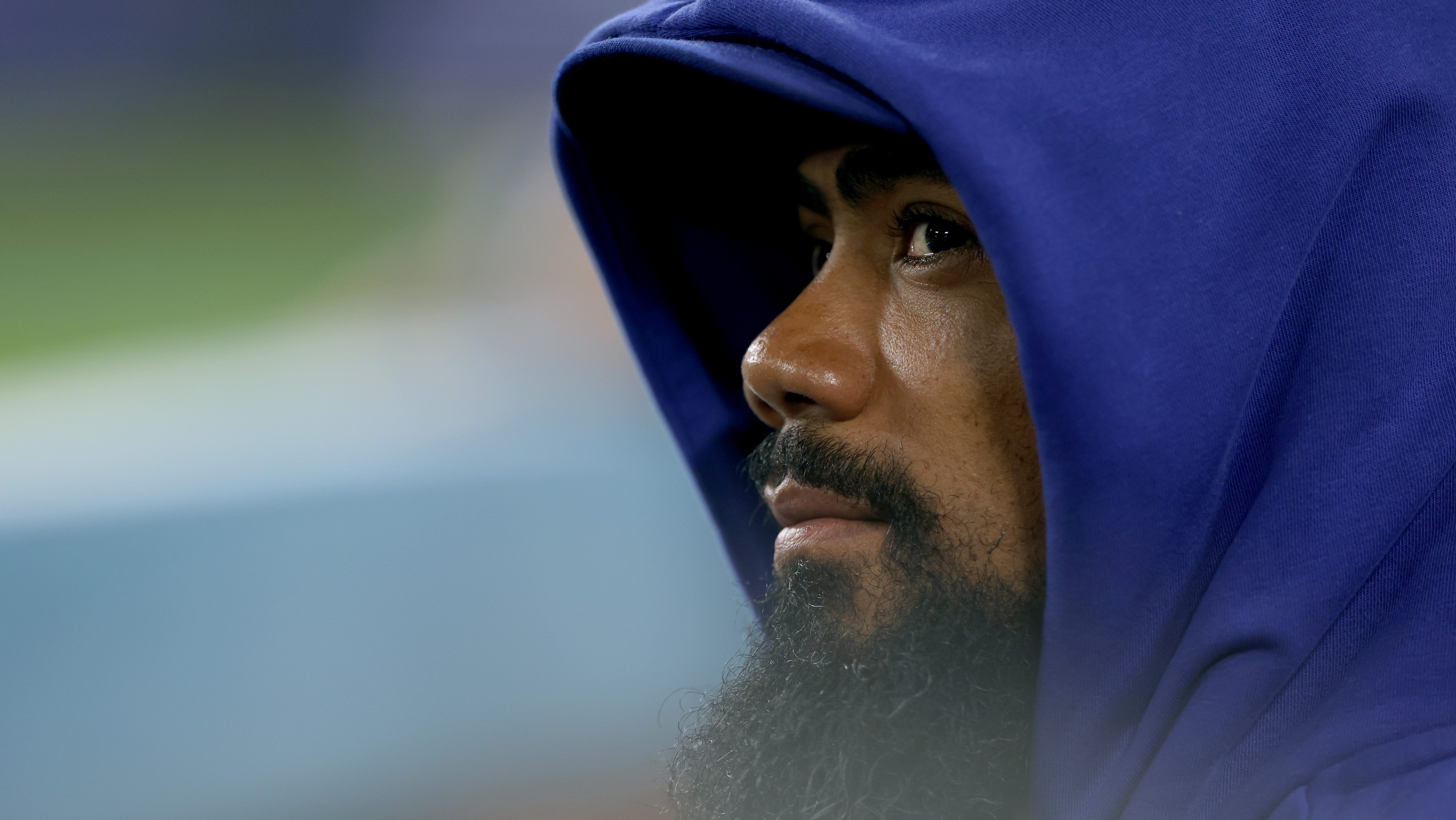
As the Mets weigh options, several decisions loom large about which players should remain in the short term to help the club rebound next year. One name frequently discussed as a core piece is Bo Bichette, the veteran infielder who has shown signs of life after a slow start to the season. Reports and analysis suggest Bichette could be a foundational player for a more competitive Mets lineup in 2027, provided the team can align its payroll and roster construction around him.
Bichette has shown improvement in recent weeks. In his last 30 games, he has posted strong numbers, including a .309 batting average with 38 hits, six home runs, 24 RBIs, and 20 runs scored, according to game-by-game statistics tracked by StatMuse. While the Mets’ overall performance has lagged, Bichette’s individual production could be a key factor in any future success for the club.
Some analysts argue that Bichette’s continued presence beyond the 2026 season would be valuable for the Mets if the front office pursues a more stable and deep lineup in 2027. Advocates suggest that moving Bichette before the trade deadline could backfire, especially if he remains under a substantial contract. The thinking is that the Mets should retain Bichette, or at minimum avoid a move that would leave them without a veteran anchor in a potential rebuild.
Apart from on-field performance, Bichette has publicly discussed his preference for remaining with the Mets. Reports note that he had considered opportunities with other teams but ultimately chose to sign with New York, valuing the organization and its direction. The decision was influenced by conversations with the club and personnel, as Bichette himself indicated that the Mets presented a compelling long-term plan.
Looking ahead to 2027, the Mets’ plan will likely depend on building a strong lineup with depth across the roster. If Bichette stays, the front office would still need to navigate a competitive market and payroll considerations, potentially absorbing a portion of his contract to enable broader improvements. Trading Bichette could be a strategic misstep if the goal is to reconstruct a sustainable, winning team, especially given his recent uptick in performance.
As the season unfolds, the Mets’ path remains uncertain. The front office, led by the president of baseball operations, will have to balance short-term results with long-term goals. Whether Bichette remains a central piece or becomes part of a larger roster reshaping, the key will be crafting a lineup that can compete consistently in 2027 and beyond.
For fans and analysts alike, the central question is whether the club can translate improving performances from key players into sustained success. The trade deadline could become a turning point, but it will hinge on the Mets’ ability to align its financial commitments with a plan that prioritizes a competitive, durable roster for the next season and the years that follow.