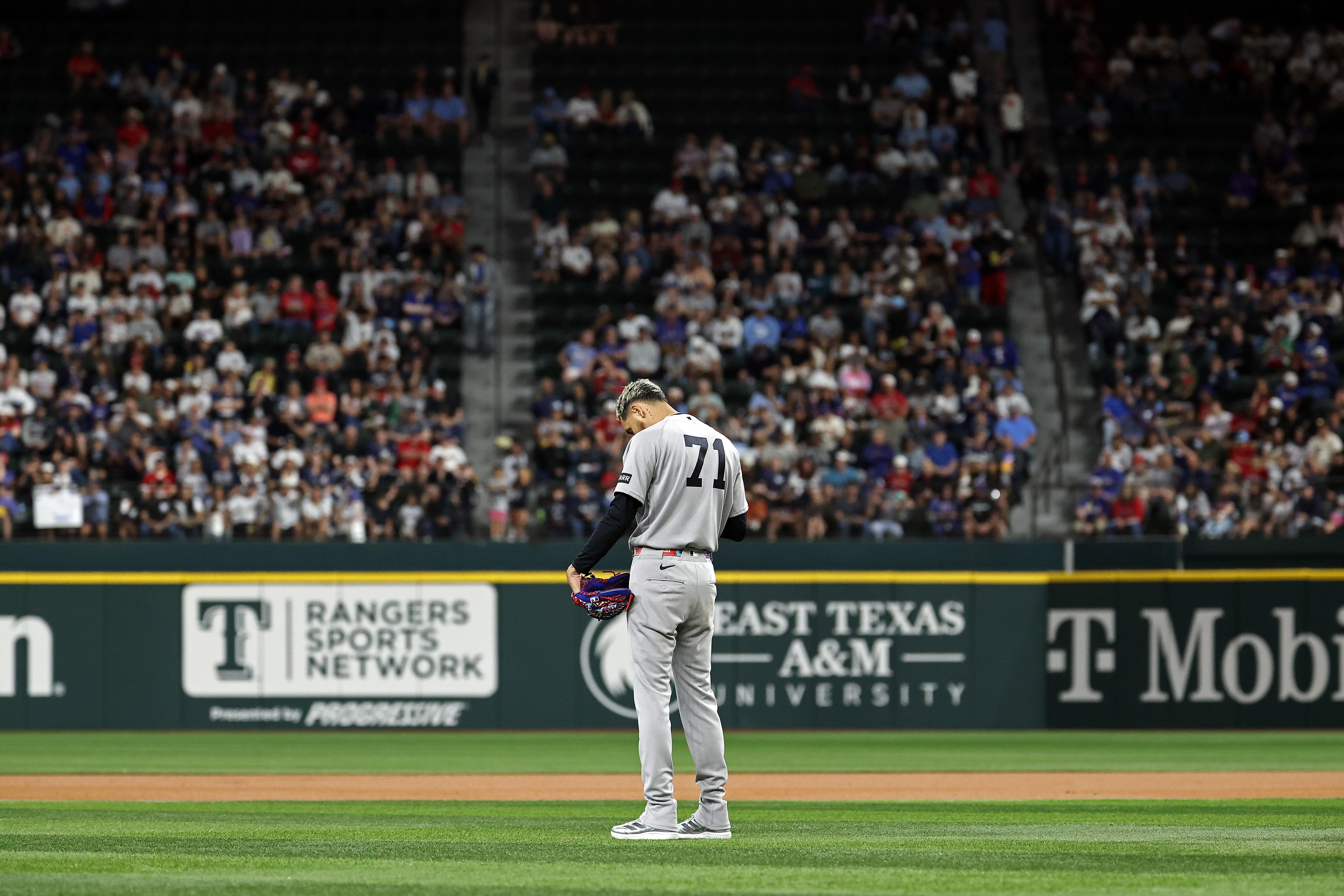
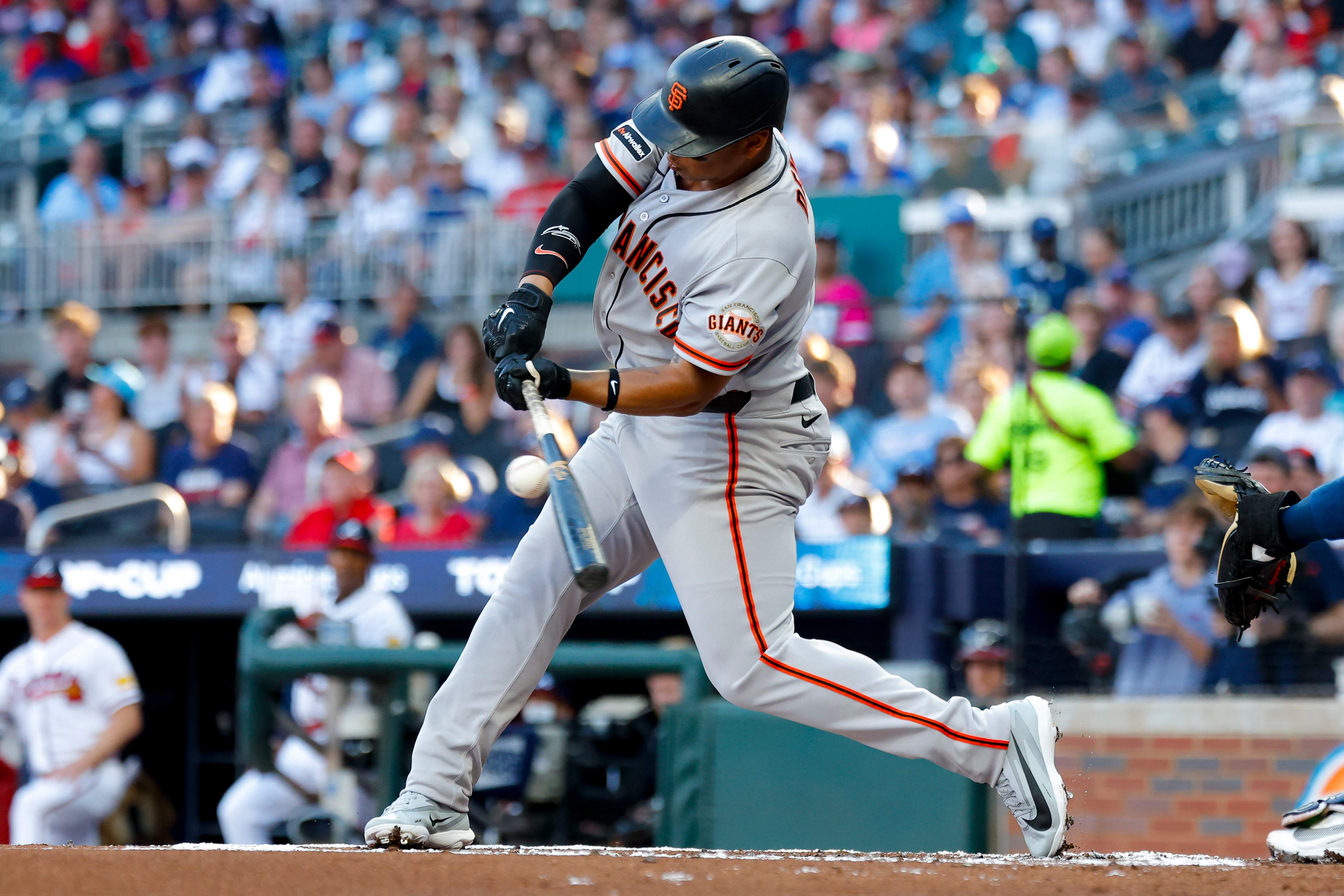
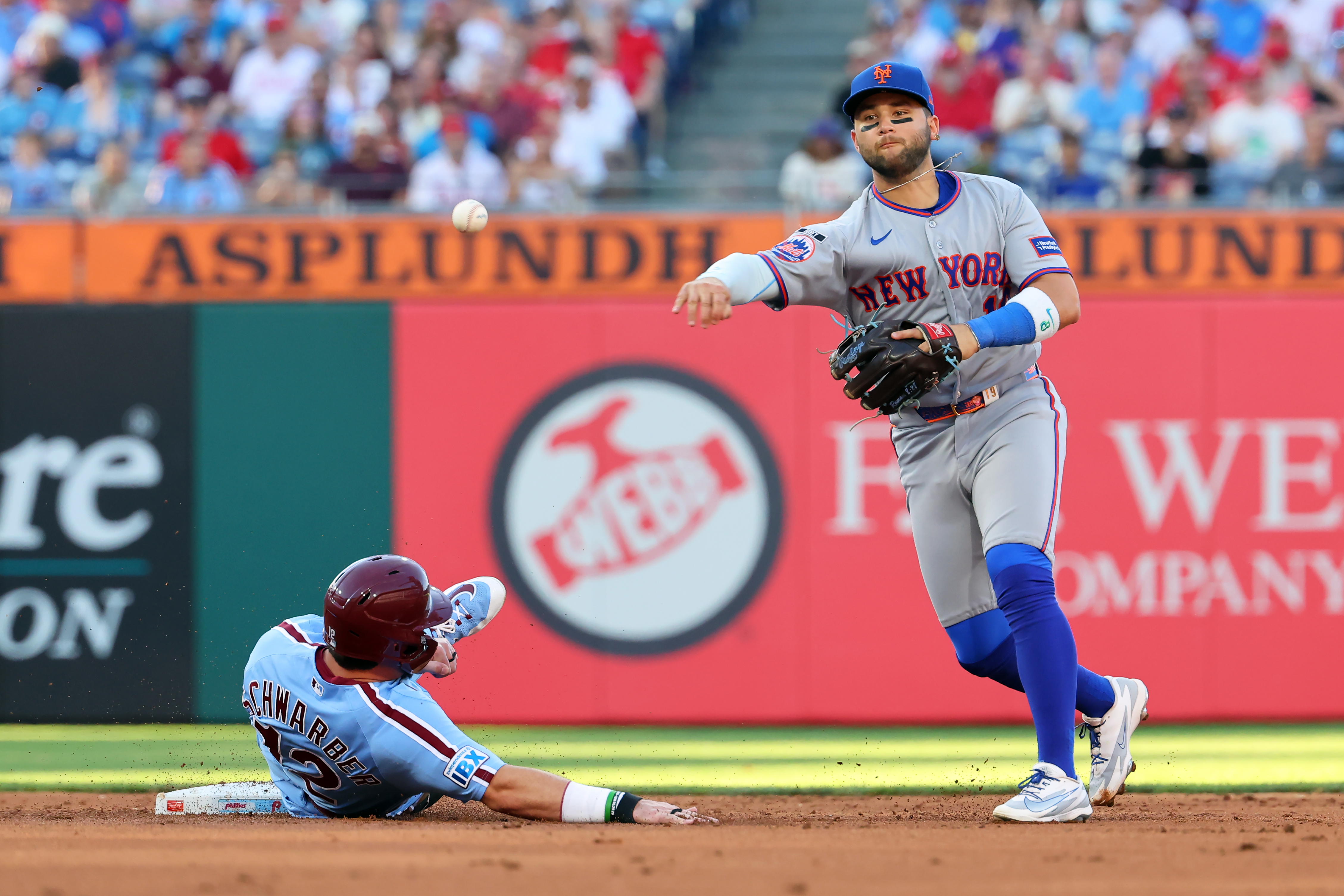
The Cubs’ current position adds a layer of complexity to any potential deal. With the team holding the last playoff spot in the National League, their record sits at 39-36, edging out the Washington Nationals by a slim margin and remaining just ahead of the Arizona Diamondbacks. A spate of injuries has hit the rotation hard: Cade Horton, Matthew Boyd, and Justin Steele have all spent time on the injured list, and Jameson Taillon recently exited a game with a hamstring issue. This mix of need and adversity fuels the sense of urgency around Chicago’s front office and increases the likelihood that the Cubs will pursue a starter who can contribute immediately while still aligning with longer-term strategy.
From a Mets perspective, the negotiation calculus hinges on both short-term needs and long-term considerations. Peralta is expected to command significant years and dollars in extension talks, a factor complicating any deal given the Mets’ balance between present capabilities and future flexibility. In such a scenario, the Mets’ willingness to move a veteran pitcher could hinge on the potential value of the return in prospects and future assets. For Chicago, the upside would lie in acquiring a pitcher who can stabilize the rotation for a playoff push while integrating younger talents into a broader rebuilding plan.
The conversation around possible targets for the Cubs’ return highlights two notable prospects from the Mets’ pipeline. While it is important to avoid overrating any single player, the discussion centers on players who could help futures in a meaningful way. Josiah Hartshorn is a switch-hitting outfielder whose performance in the lower minors has drawn attention for his on-base prowess and contact rate. Although his early power numbers in limited at-bats might not be eye-popping, his plate discipline and contact skills present a compelling upside for a player who could contribute at multiple positions, including corner outfield and first base. Hartshorn’s base-running acumen and approach at the plate add tangible value to any package, particularly for a team seeking a dynamic, versatile piece to bolster its lineup.
Kane Kepley, another prospect in the Mets’ system, brings a different skill set. Known for his speed, with a track record of stolen-base efficiency, Kepley also exhibits extra-base potential and solid center-field coverage. His recent performance showcases a blend of speed and patience, with a favorable on-base percentage and a history of contributing across the top of the order. Such speed-oriented profiles can be highly attractive to teams prioritizing run creation and defensive versatility, especially in a division race where every baserunner matters.
In evaluating a potential trade, it’s essential to balance the immediate impact of a pitcher like Peralta with the long-term value of the Mets’.
system. Peralta’s status as a free agent-in-waiting for a longer-term commitment complicates the negotiation, but the Cubs’ current needs could make a deal attractive if they can offer a package that aligns with their prospect depth and the Mets’ long-term goals. The discussion also underscores the strategic reality that teams in transition often seek to maximize return by pairing a rotation upgrade with high-upside prospects who can become the core of future competitive contention.
For fans, the unfolding dynamic offers a narrative about how teams weigh short-term needs against long-term development. The Mets’ possible willingness to move a rotation staple could open doors for Chicago to shore up its starting staff while providing the Mets with a foundation of future assets to accelerate their own rebuild. The ultimate outcome will hinge on the precise evaluations of both sides: how much Peralta is valued in the market, and which prospects best fit the Mets’ pathway to sustained improvement.
As spring and summer progress, trade discussions around Peralta and other pitchers will likely intensify, especially with Chicago’s position in the standings and its injury-ridden rotation. For now, the Mets’ strategy appears to favor asset collection that can fuel a broader turnaround, while the Cubs’ urgency translates into a market-driven appetite to test the value of top prospects against immediate on-field help. The balance of short-term impact and long-term potential will ultimately determine whether Citi Field remains a distant destination in theory or a concrete exchange point in the ongoing reshuffle of MLB rosters.