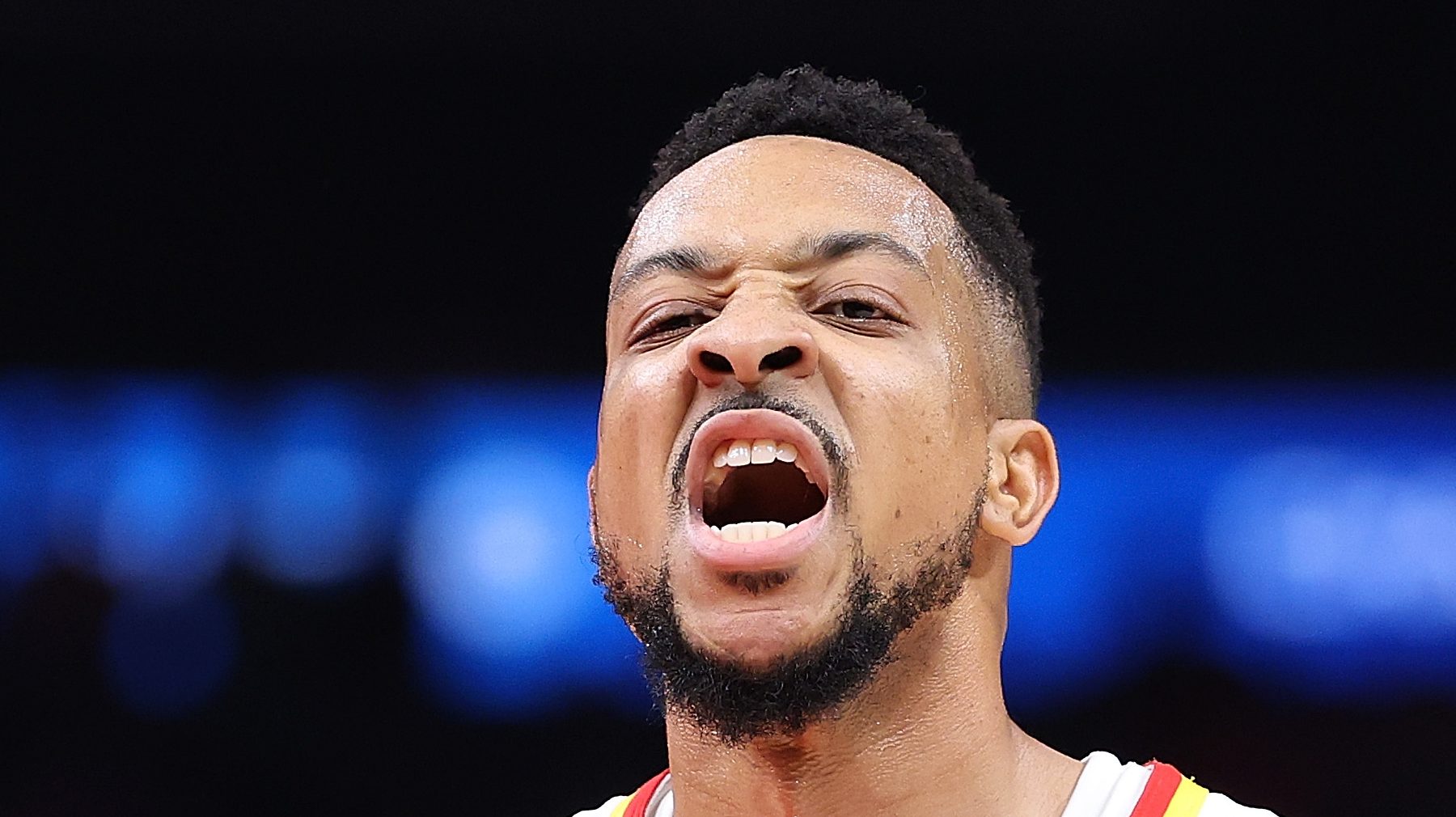
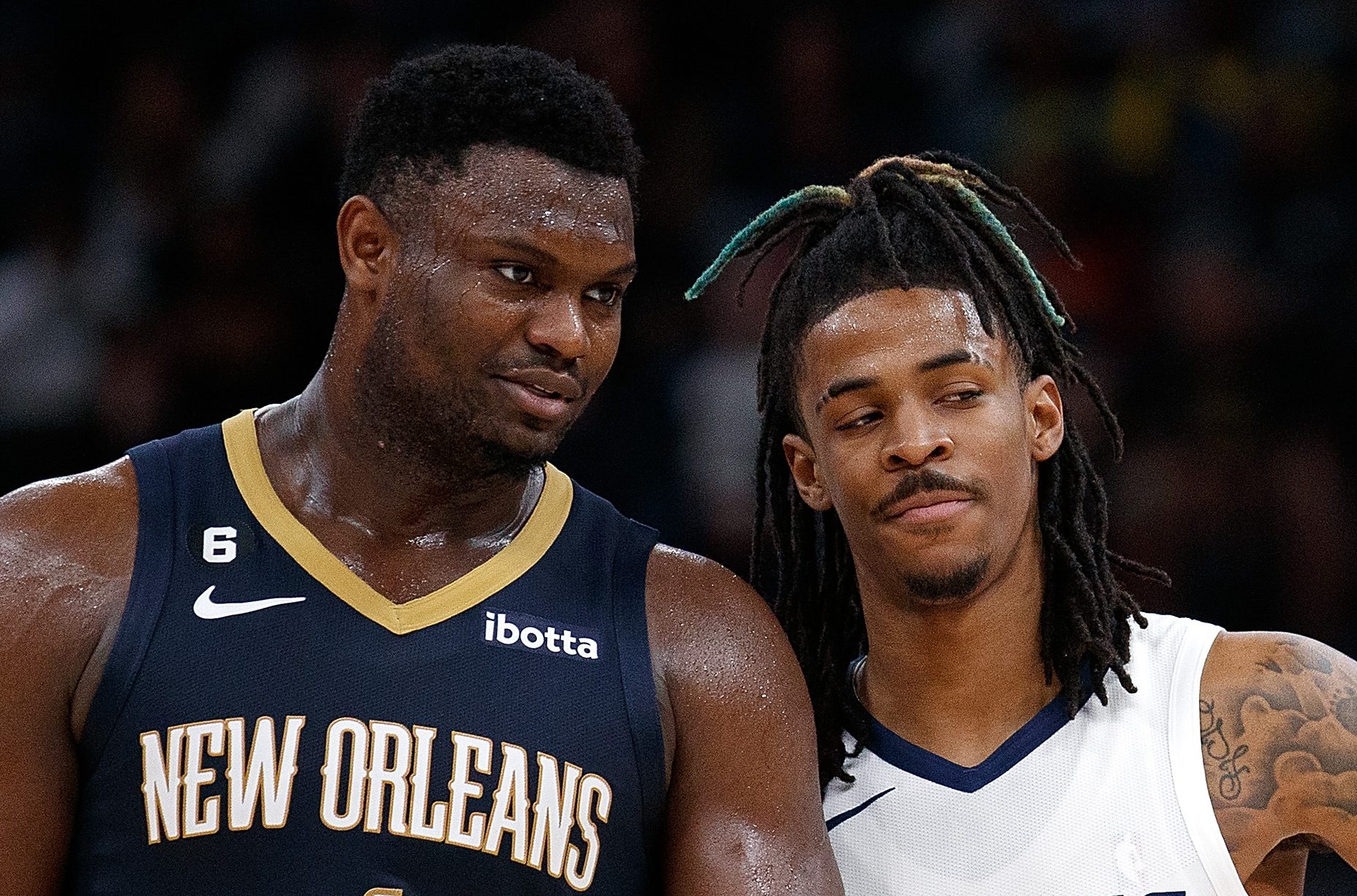
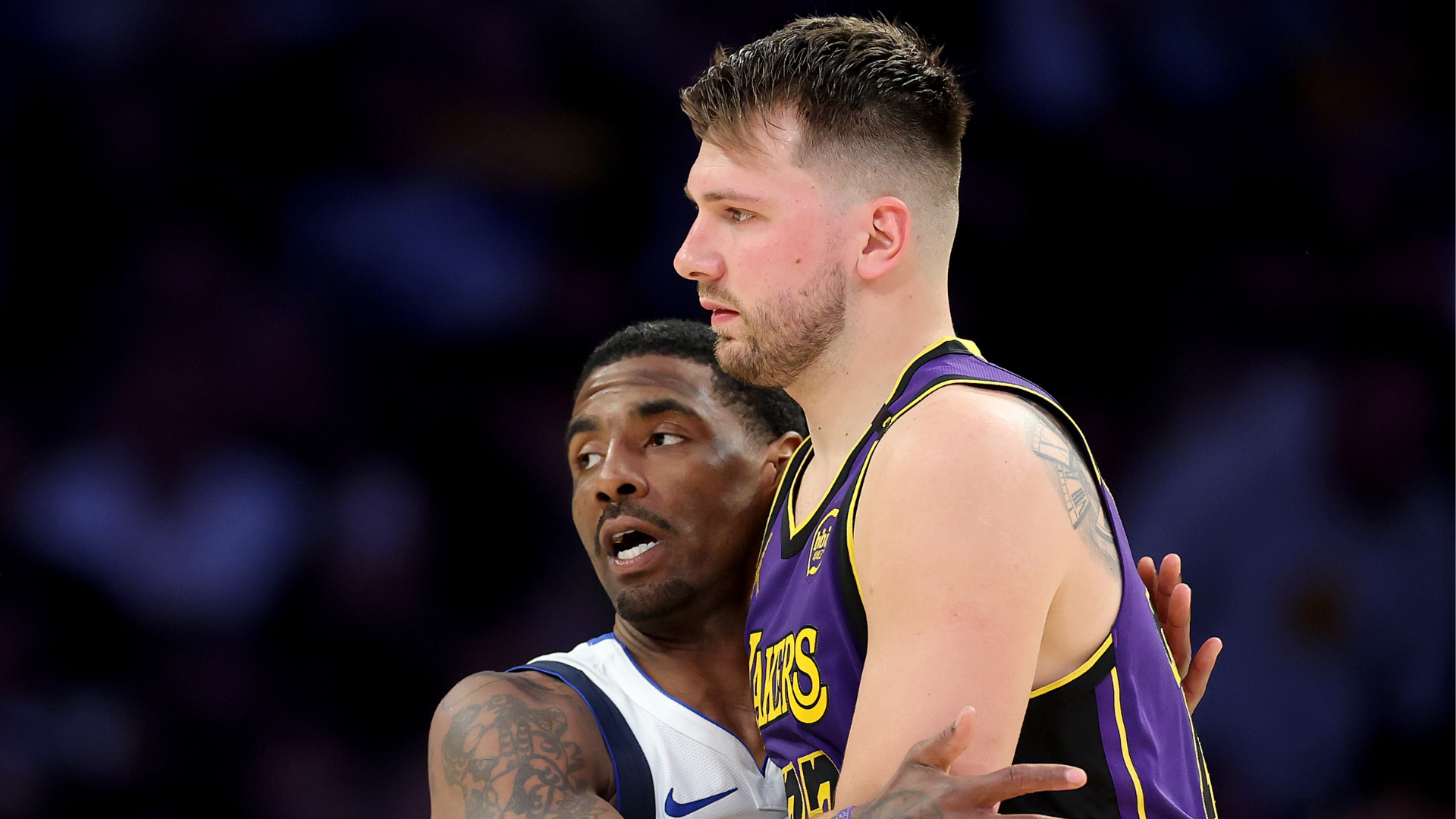
One veteran name that has surfaced in discussions is DeMar DeRozan, the longtime NBA scorer who has spent his career delivering reliable production and leadership. DeRozan is under contract on a three-year deal valued at roughly $74 million, an agreement that reflects his persistent value as a floor-raising presence. For the upcoming season, he is slated to earn around $25.7 million, with a portion of that guaranteed schedule flexible enough to accommodate a potential trade timeline. At age 37 by the start of next season, DeRozan brings a veteran skill set and playoff-tested experience, even as teams factor in the realities of age and long-term planning.
From a purely basketball perspective, DeRozan remains an efficient scoring threat who can contribute in crucial moments. He consistently found a role as a reliable option in half-court sets, thriving in late-shot-clock situations and in high-pressure playoff environments. Last season, he appeared in 77 games for his team, continuing a streak of durable seasons that has seen him play at least 70 games in five consecutive years. Even in a season marked by veteran progression, DeRozan still posted strong numbers, averaging about 18.4 points per game. While that mark may not mirror the peak scoring years of his prime, it still represents a dependable offensive engine for a team looking to pace with a high-level scorer who can create opportunities in organized half-court offenses.
The proposal on the table envisions a trade that would see the Lakers part with several younger pieces in exchange for DeRozan and an additional veteran contributor, Drew Eubanks. In a possible deal structure, Los Angeles would send players such as Dalton Knecht, Jake LaRavia, Rui Hachimura, and a protected 2030 first-round pick (top four protected) to Sacramento in return for DeRozan and Eubanks. While such a transaction requires careful salary matching and alignment with both teams’ long-term strategies, it presents a model in which the Lakers swap youth for established veteran impact, a calculation some front offices are willing to make when the aim is to accelerate a championship trajectory.
Leaning into a plan that pairs DeRozan with Dončić could offer several strategic benefits. For one, DeRozan’s proficiency in creating offense in half-court settings complements Dončić’s playmaking, potentially stabilizing late-game lineups and providing a trusted secondary scorer. DeRozan’s extensive playoff experience could help the Lakers navigate the more disciplined defensive and offensive tempos that intensify in the postseason. Additionally, the presence of a veteran scorer can relieve some ball-handling pressure on Dončić, allowing him to operate in more favorable contexts and sustain efficiency during critical stretches.
On the defensive end, it’s important to acknowledge the potential gaps that come with integrating a high-usage veteran into a team that already emphasizes ball movement and versatility. DeRozan is not renowned as a standout defensive ace, and any upgrade to the Lakers’ lineup would need to be accompanied by complementary pieces or schemes that mitigate those shortcomings. The proposed trade also includes Eubanks, a 6-foot-10 big man who can contribute depth along the frontcourt. His size and versatility could help bolster reserve minutes and provide a reliable role in protection around the basket, aligning with a roster that values multi-positional players who can adapt to different lineups.
Another factor in evaluating such a move is the financial flexibility it affords. DeRozan’s contract carries substantial value, but with careful consideration of guarantees and timing, teams can manage the cap implications to preserve room for additional moves. If the Lakers can retain LeBron James on a reduced deal while integrating DeRozan, they might unlock a blend of veteran leadership, scoring punch, and depth that benefits the club’s championship aspirations without sacrificing long-term balance.
Looking ahead, the Lakers’ path to maximizing Dončić’s window involves a combination of acquiring impactful veterans, maintaining flexibility, and ensuring that any new pieces can contribute in both the short and long term. DeRozan’s proven track record as a scorer and a gamer in pressure-filled moments makes him a compelling option in discussions about veteran leadership and steady production. However, any move would need to align with broader team-building goals, including defensive cohesion, depth at multiple positions, and the ability to adapt to various playoff matchup scenarios.
In evaluating trades and roster adjustments, teams must weigh the immediate benefits of veteran presence against the value of youth development and long-term upside. The Lakers’ plan appears to lean toward an assertive approach—targeting seasoned contributors who can help the team contend now while maintaining the flexibility to make further enhancements as the season unfolds. If executed with precision, such a strategy could complement Dončić’s extraordinary skill set, creating a balanced lineup capable of competing at a high level in the demanding landscape of the league.
As the offseason unfolds, the discourse around potential landings for DeRozan and other veteran players will continue to evolve. Fans and analysts will watch closely to see how the Lakers shape their roster, aiming to strike a harmony between immediate championship odds and sustainable, long-term competitiveness.