With that in mind, the Celtics’ front office faces a high-stakes period of roster optimization around Tatum. Public discussions have widely speculated about moves that could include trading Jaylen Brown for a star of wider impact, such as Giannis Antetokounmpo, in a bid to maximize championship potential. Commentary from inside Boston’s circle has continued to weigh several options beyond that blockbuster scenario, focusing on players who could fit around the core while bringing different strengths to the lineup.
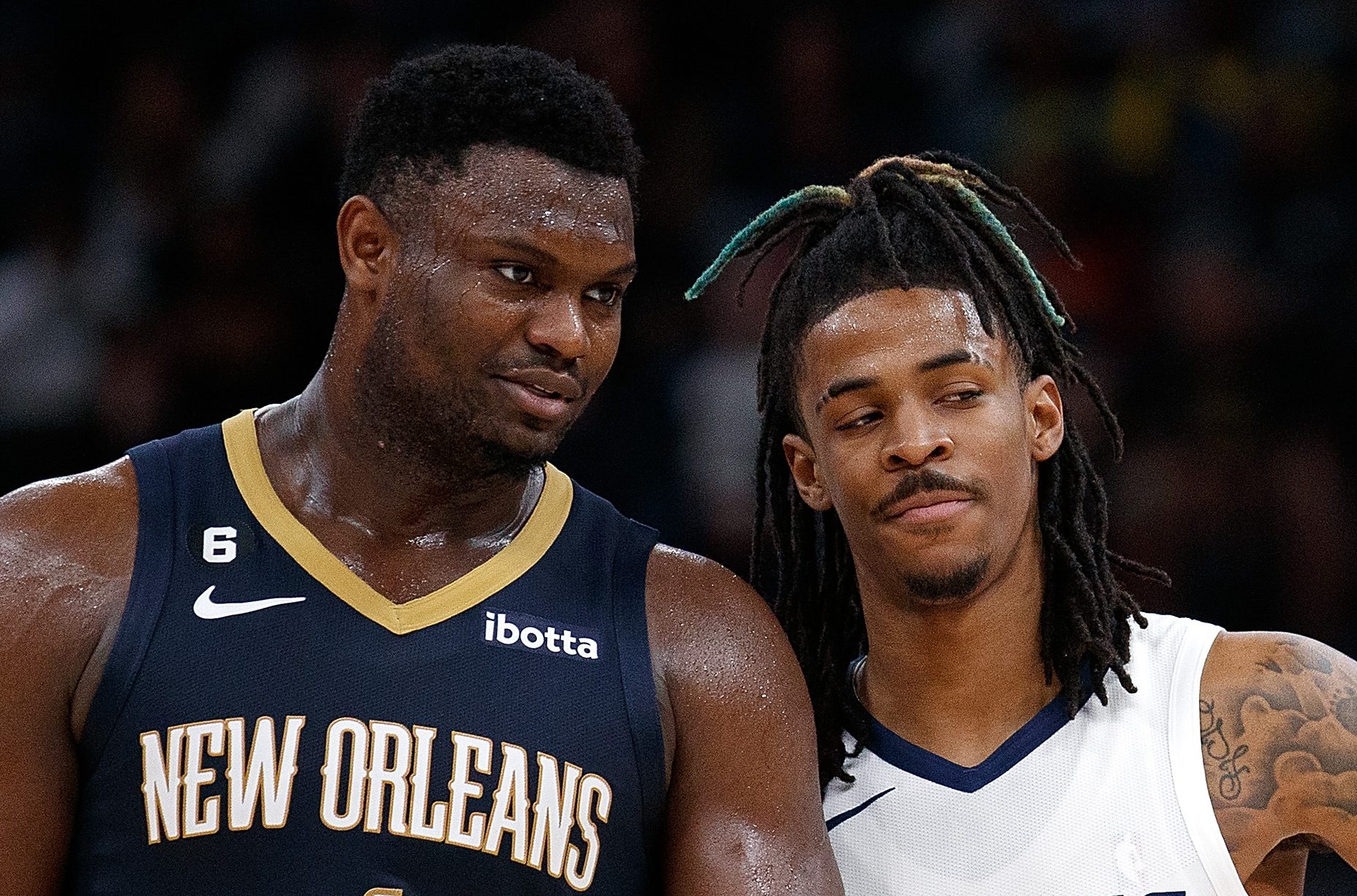
One prominent name often highlighted as a potential target is Trey Murphy III. The Celtics currently hold a $27.7 million trade exception from a prior deal, which provides a mechanism to add talent without immediately reshaping the books through a standard salary-cap maneuver. Murphy stands out as a long, versatile wing who can slide between multiple defensive assignments and stay on the floor against various matchups without disrupting the offense. His play style would complement Boston’s established stars by providing size, speed, and finishing ability on the wing.
Murphy’s profile offers several appealing dimensions. He can guard larger players, finish above the rim, and punish defenses that give him space. Moreover, his contract structure adds long-term value: he is entering the second year of a four-year deal, offering Boston a potential durable piece rather than a short-term fix. This longer-term horizon complicates the path to acquisition, as the Pelicans would be weighing their own long-term plans and the draft compensation required to balance the deal. The Celtics’ likely path would involve trading future assets to secure a player who could contribute immediately and scale with the team over several seasons.
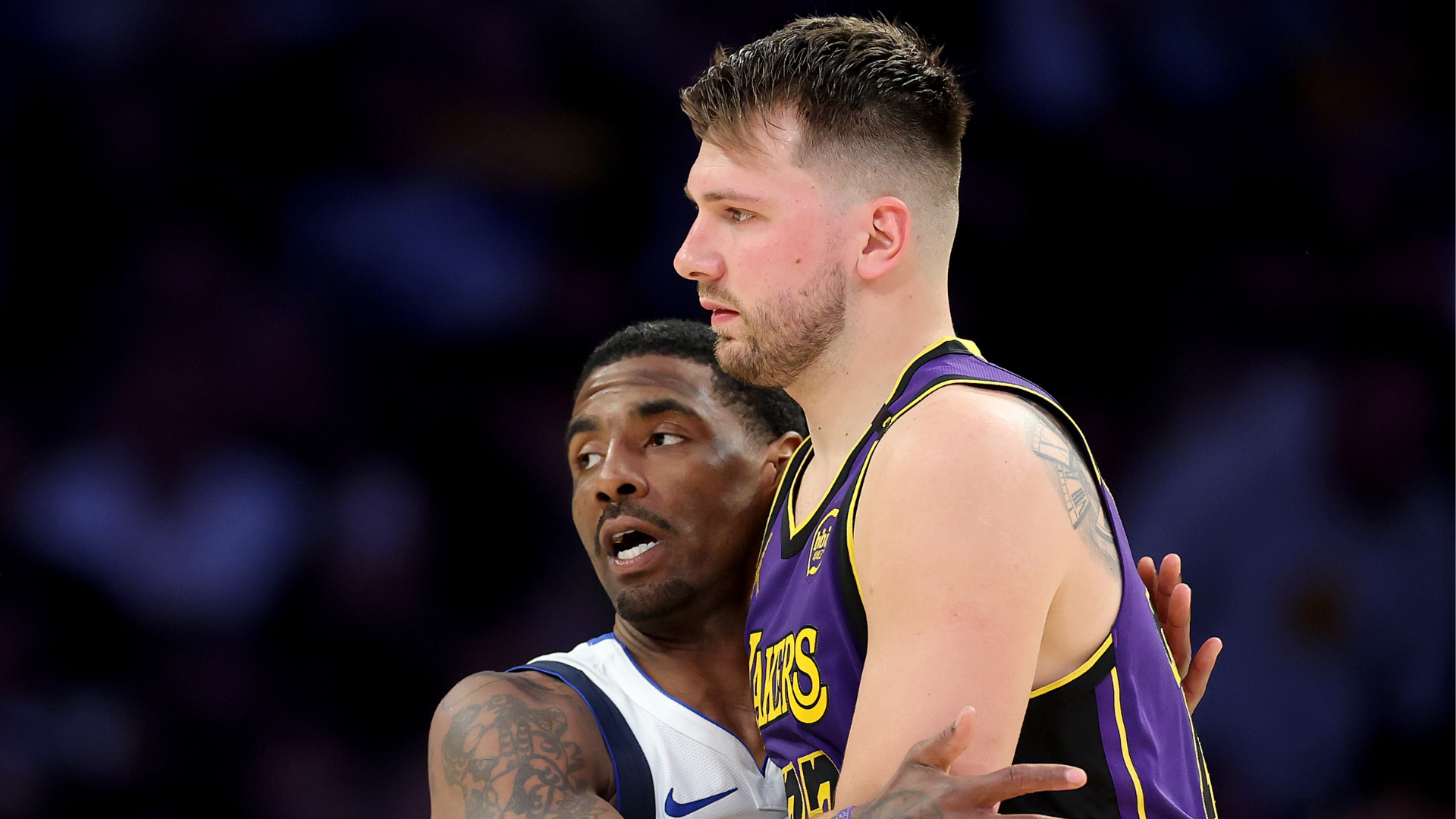
Anfernee Simons represents another realistic option with a different flavor. Returning Simons via the trade route would be unconventional, but not implausible. He demonstrated the ability to thrive in a reduced role in Boston, averaging over 14 points per game with strong three-point accuracy and meaningful offensive punch from the second unit. Simons already understands the Celtics’ environment and the dynamic around Tatum and Brown, which could shorten the acclimation period. A sign-and-trade could be a route for bringing him back, leveraging the team’s trade exception if the involved parties can reach an agreement that respects both sides’ contract terms and on-court roles. However, Simons’ fit comes with caveats: Boston already has a crowded backcourt, and Simons lacks the defensive size and versatility that Murphy would bring. The move would hinge on whether the team views him as a high-impact scorer who can seamlessly slot into a trusted system.
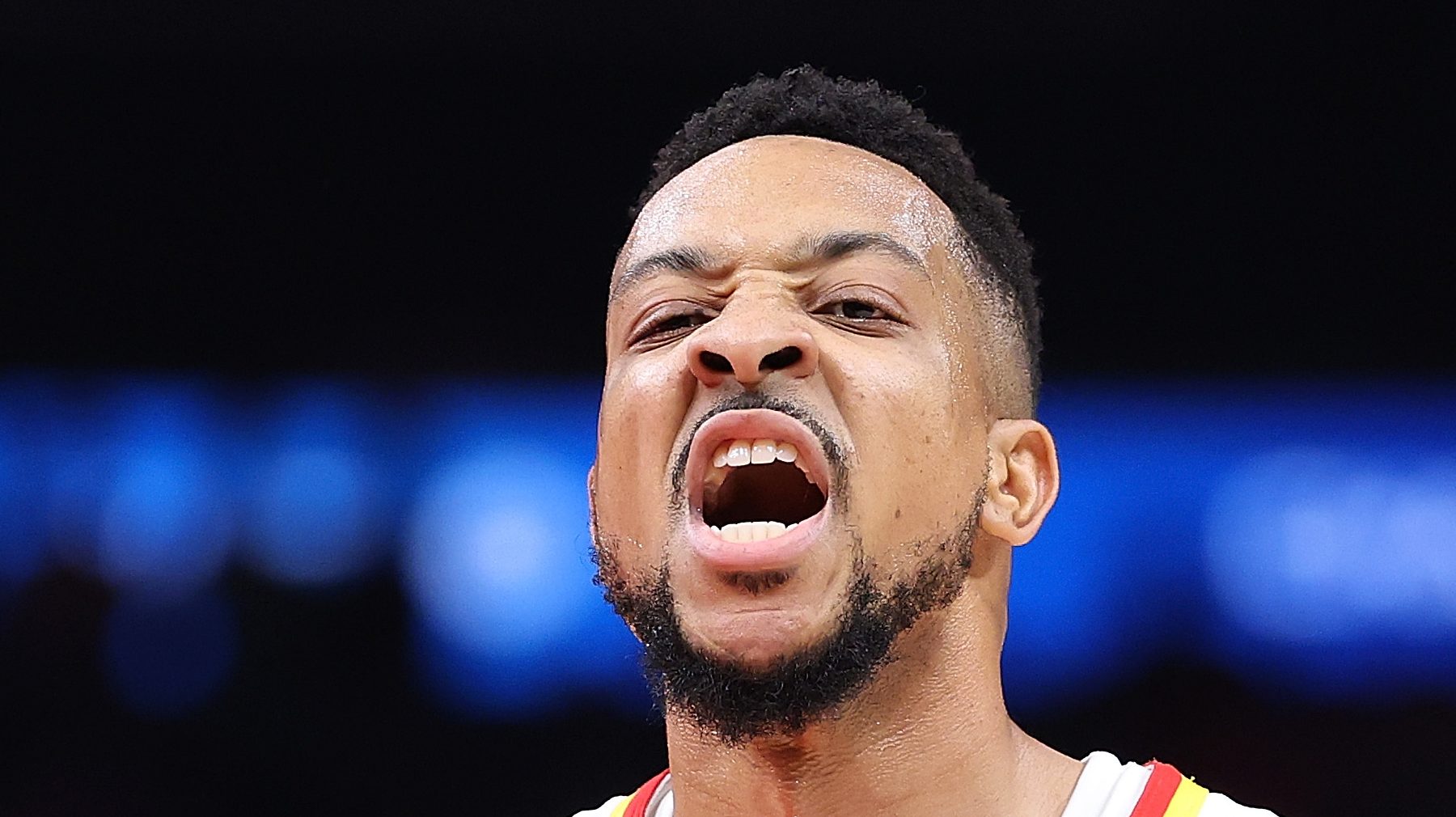
Fred VanVleet offers a different strategic angle entirely. As a veteran point guard with a strong track record of directing offenses, VanVleet could reduce late-game decision-making burdens on Tatum and Brown by providing steadier ball handling and tempo control. His presence could add a layer of offensive organization that minimizes dependence on heroic plays in crunch time. VanVleet’s contract fits within the Celtics’ trade exception, and with the final year of his deal approaching, the financial commitment would be more manageable than a long-term extension for a player with a lengthy injury history. The primary concern is his health: a torn ACL in the prior season raises questions about burst and durability during a playoff grind. If VanVleet is cleared to play and shows reassuring progression in training camp, he could be a stabilizing force; if not, the risk may outweigh the reward.
The broader takeaway is that the Celtics’ trade exception affords executive flexibility without presenting a single obvious answer. Murphy offers ceiling and long-term upside, Simons provides familiarity and scoring depth, and VanVleet delivers structure and veteran leadership. Each option would shift the team in distinct directions, impacting defense, playmaking, and overall archetype of the roster.
As the offseason unfolds, Boston’s decision-makers will weigh several factors: how to best complement Tatum’s prime years, how to balance contract commitments with long-term flexibility, and how to preserve enough depth to navigate a demanding playoff schedule. Any move will need to align with the team’s culture, locker room dynamics, and the strategic goals of building a championship-contending roster around a core featuring Tatum and Brown.
In summary, the Celtics possess valuable assets and a useful trade mechanism that enable meaningful upgrades around their star guard. Murphy represents a high-upside long-term addition, Simons offers proven familiarity and immediate scoring impact, and VanVleet could bring organizational clarity to the offense. The path forward is not a single clear-cut decision but a carefully considered mix of talent, fit, and future potential designed to maximize Boston’s contention window in the coming seasons.