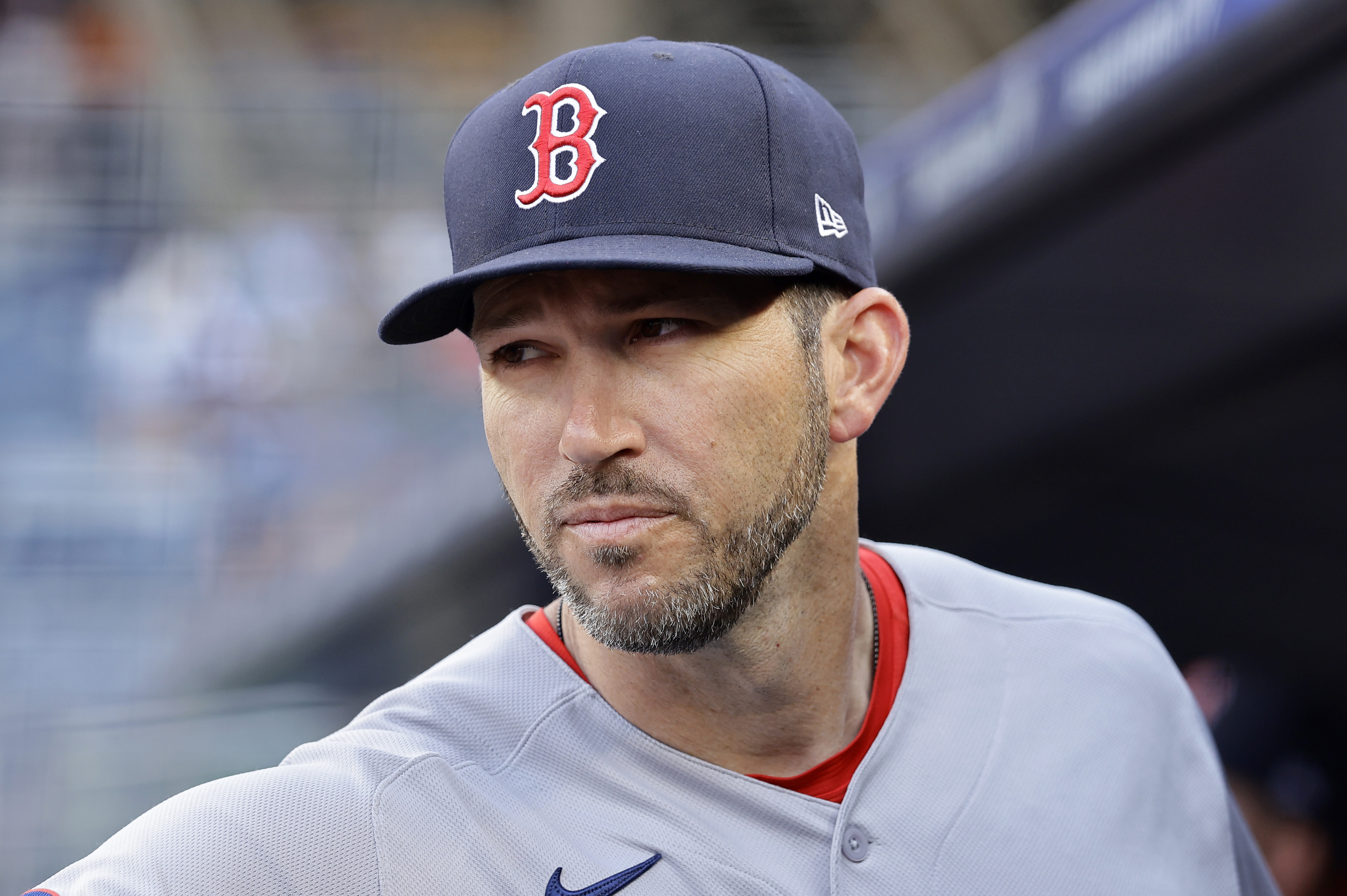
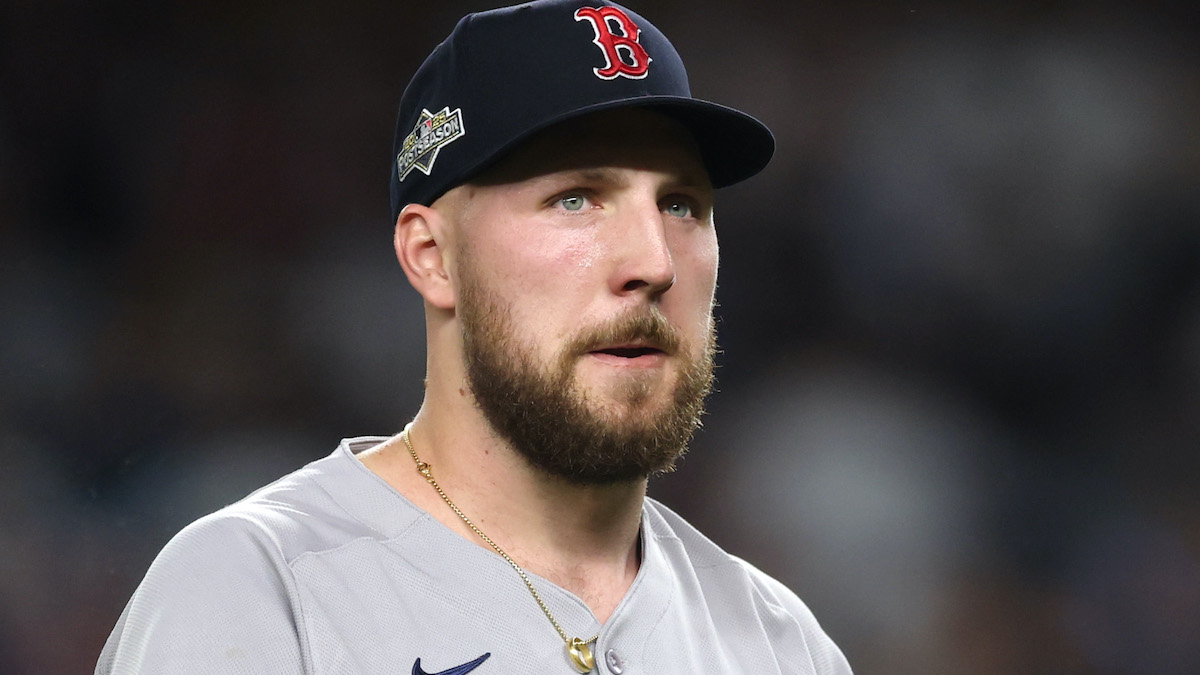
Baez exhibits a large, powerful build (6’3”, 220 pounds) and a swing that yields an exit velocity averaging 92.5 mph with a high hard-hit rate (53.4%) and a barrel rate of 19.6%, indicating elite power when contact is made. However, his contact problems—35.8% chase rate, 17.3% swinging strike rate, and a 78.2% contact rate inside the zone—contribute to a 31.0% Triple-A strikeout rate, signaling a high-risk, high-reward profile that could translate to 30 homers with roughly 180 strikeouts in a season.
In terms of fit with the Cardinals, Baez’s path is nuanced. With Jordan Walker cementing a right field spot and a left-field platoon of Lars Nootbaar and Nelson Velázquez, Baez may eventually need to move to center field or function as a corner outfielder. He has already logged a significant amount of center-field action (35 of 57 starts), suggesting the organization is preparing him for that role, though a long-term corner profile might suit him better. The Cardinals could leverage Baez as a future centerpiece in potential trades, notably in exchange for a starting pitcher, while balancing his 40-man clock and service timeline. As Baez continues to show power upside, the organization faces a decision on how to best integrate him—whether to push for an MLB debut soon or maximize value via strategic moves to supplement the rotation.
Key Takeaways
– Four-homer game milestone highlights Baez’s elite power in the minors and potential MLB-ready impact.
– Power metrics (exit velocity, hard-hit rate, barrel rate) signal true power, but elevated chase and strikeout rates raise contact risks.
– Team fit suggests Baez could contribute in center field or corner outfield roles, with potential for value in trades to address pitching needs.