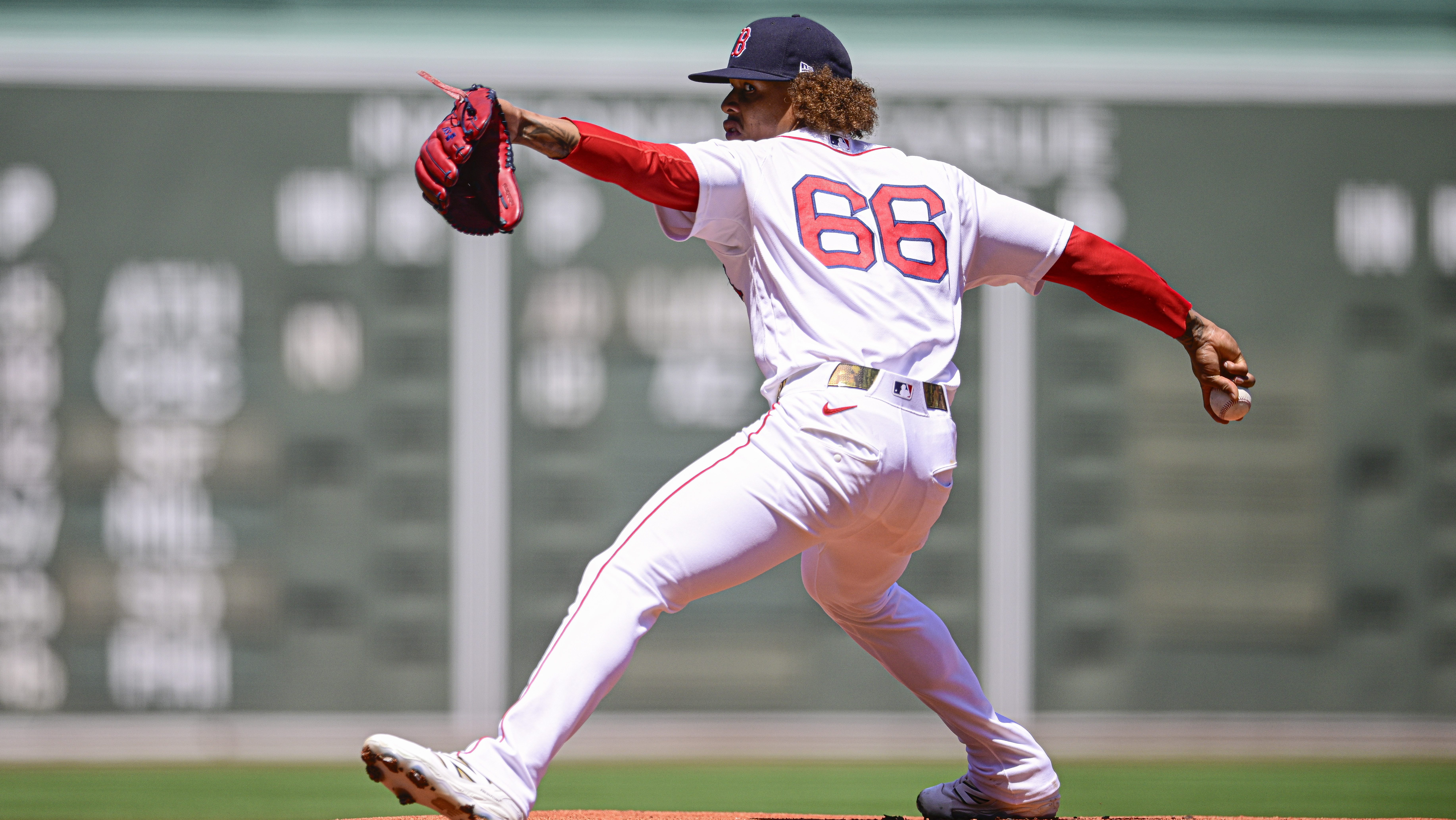
Yesavage’s fastball averaged 94.6 mph, slightly above his season average, yet the Orioles did damage when it was elevated or put in the air, posting an average exit velocity of 93.8 mph and a max exit velocity of 106.2 mph. The sixth inning underscored the development point: he finished with 91 pitches as Baltimore adjusted to his approach, raising splitter and slider usage to 38% on the third time through. While he remained ahead in most counts (75% first-pitch strike rate) and logged 12 whiffs on 44 swings, execution in the zone let the mistakes slip for hits, underscoring the need for better fastball command and strategic elevation.
For the Blue Jays, the takeaway is twofold: Yesavage’s performance confirms he is a legitimate MLB-ready arm worth nurturing, but also highlights the immediate challenge of refining fastball location and recognizing when to lean on the secondary stuff. The organization should continue giving him innings to develop, balancing the promise of his splitter and slider with improved fastball command to prevent similar high-leverage losses.
Key Takeaways:
– Yesavage displayed elite secondary pitches (splitter and slider) with strong whiff rates and effectiveness when located.
– The fastball command and elevation decisions need refinement to avoid giving hitters elevated, hard contact.
– The outing is a developmental milestone: proof of potential for a top pitching prospect, balanced by the need for continued growth and consistency.