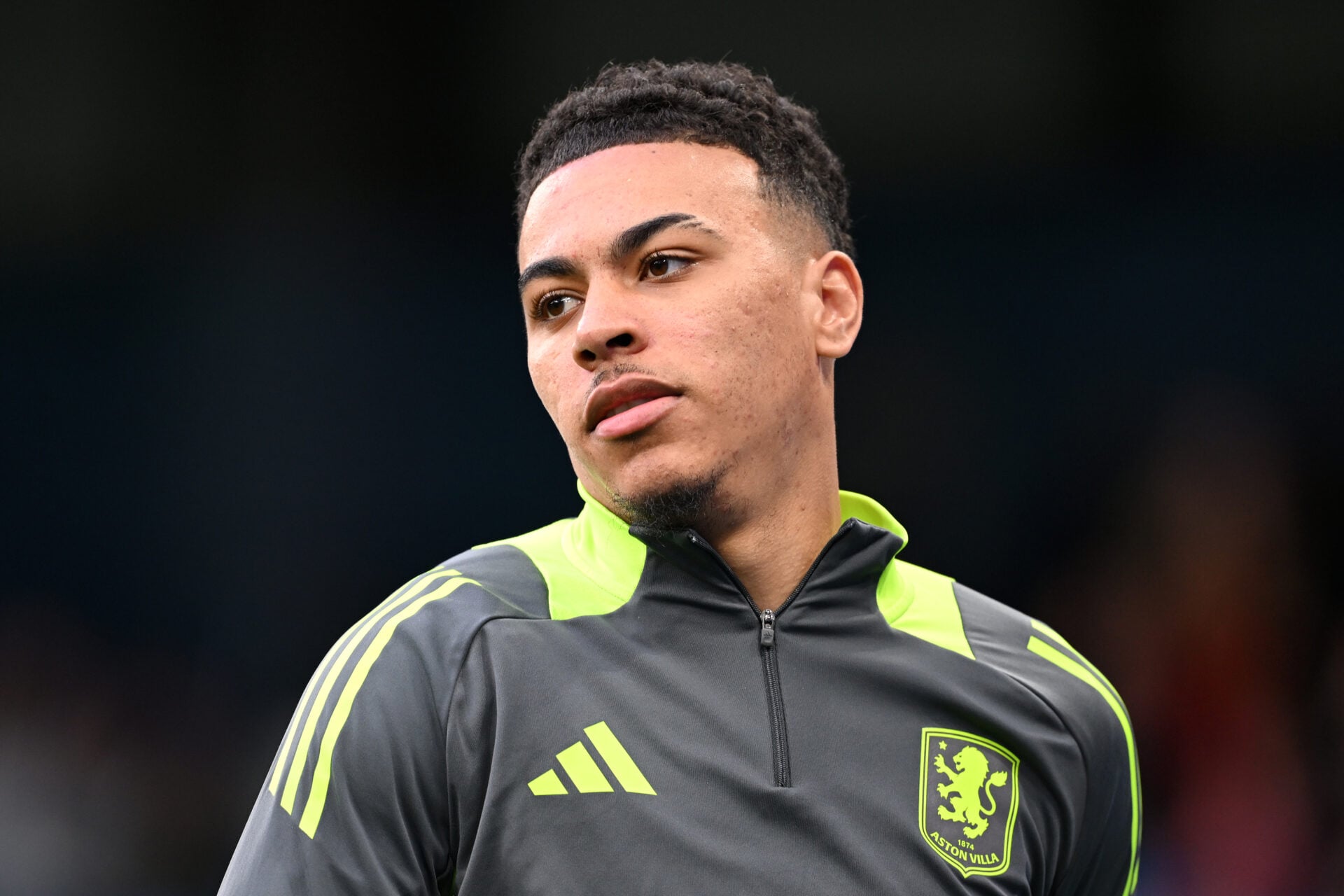
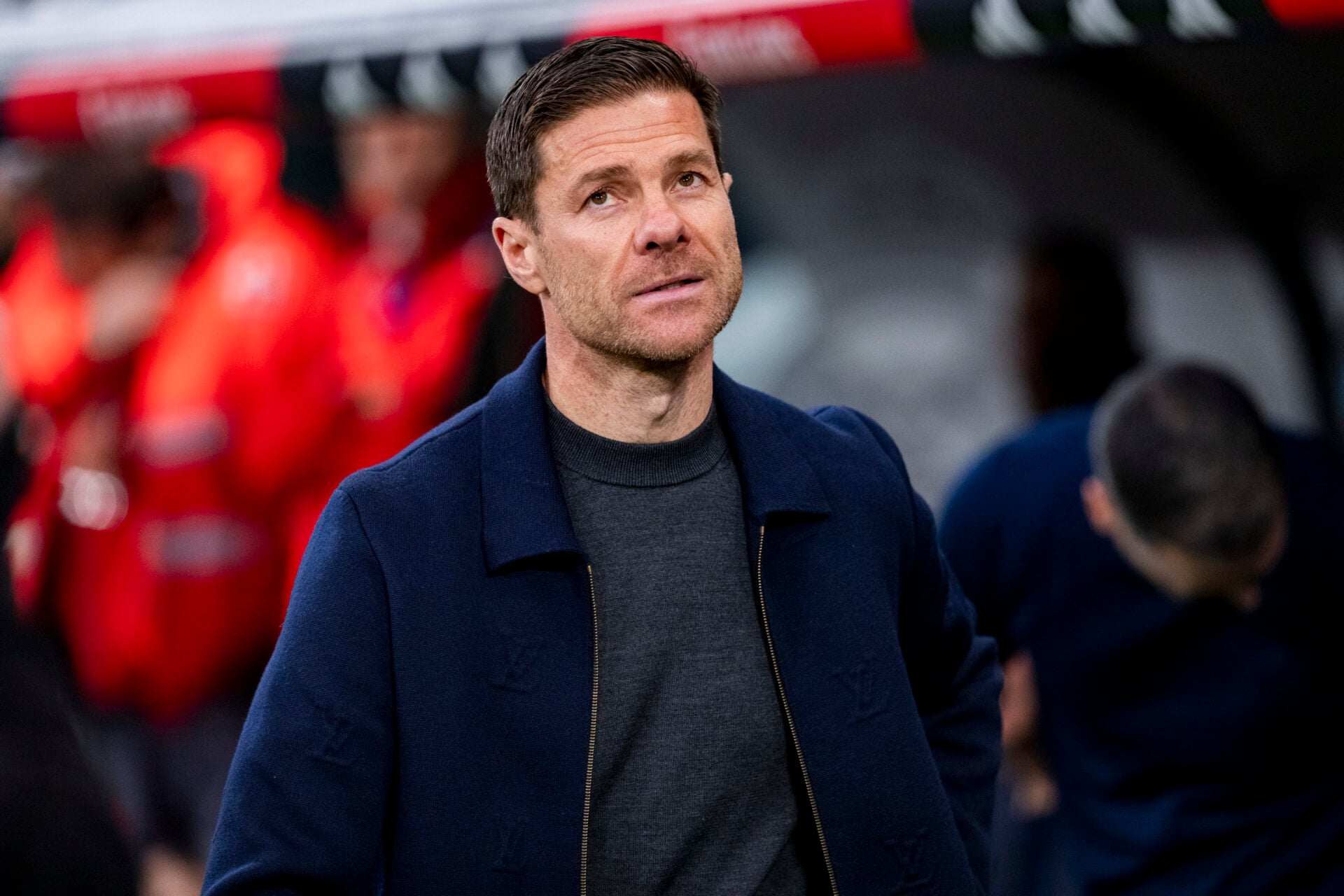
A key highlight is the rapid increase in Senne Lammens’ transfer value. United paid £18.1m to sign the Belgian goalkeeper, and, per the CIES Football Observatory, his market value has surged to about £45.5m (€52.7m), establishing him as one of the most valuable shot-stoppers in world football. This rise showcases Ineos’ ability to identify and develop assets that offer strong resale potential, aligning with a shift away from the previous “buy high, sell low” approach.
The broader strategy includes smart investments in young talents such as Benjamin Sesko, Bryan Mbeumo, and Matheus Cunha, reinforcing a long-term plan to maximize return on investment. Additional examples of Ineos’ player development and value appreciation include Patrick Dorgu, now valued around £40m, and Ayden Heaven, whose market value has climbed to approximately £17.1m after arriving in the 2025 window. These cases illustrate Ineos’ emphasis on sustainable transfer success and potential cash-in opportunities for Manchester United in the future.
Key takeaways:
– Ineos’ ownership has positioned United for a more sustainable, value-driven transfer approach.
– Senne Lammens’ value increase exemplifies the potential return on investment from recent signings.
– The club’s strategy extends to developing and monetizing young talents, with multiple players showing significant valuation growth.