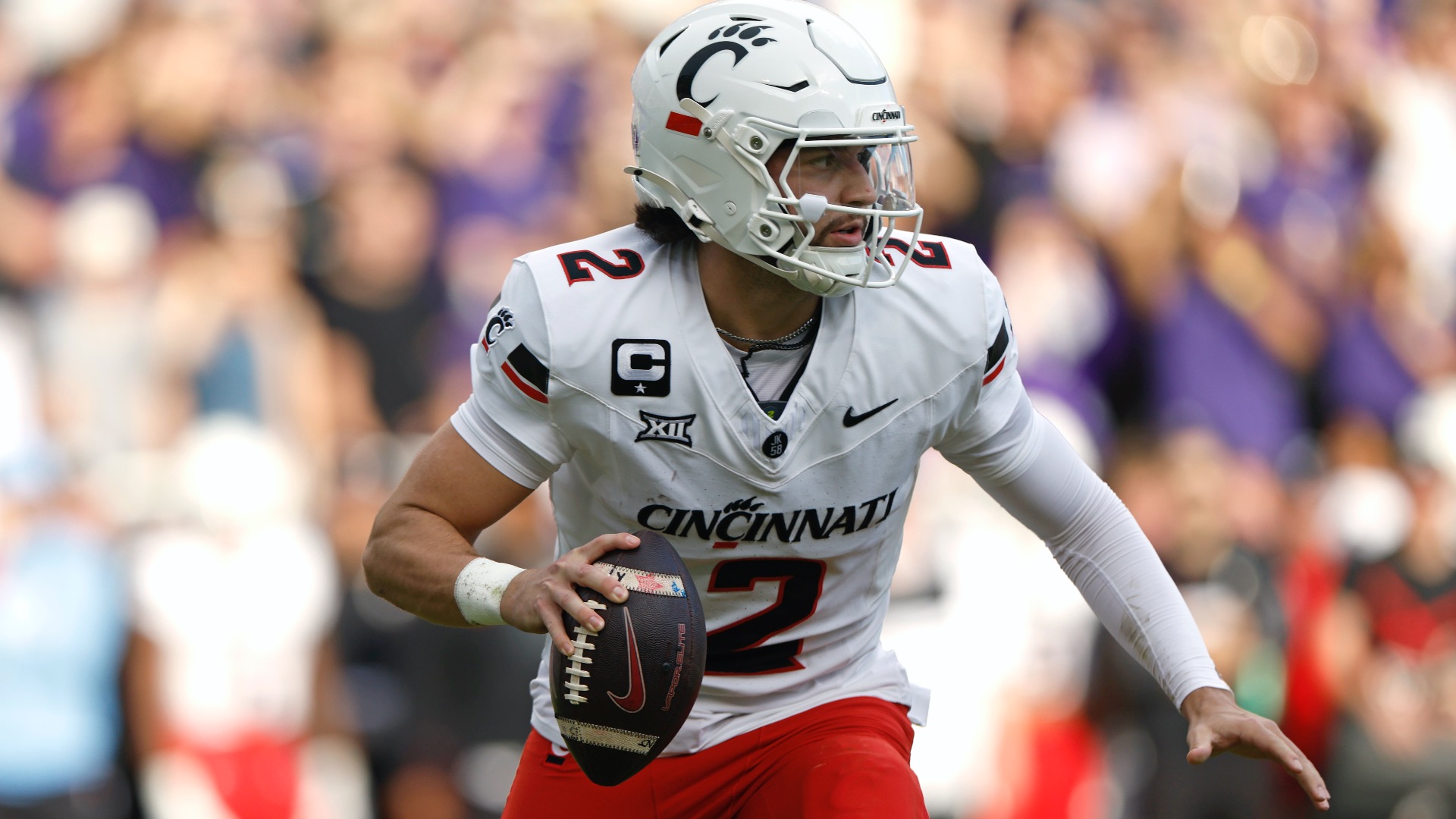
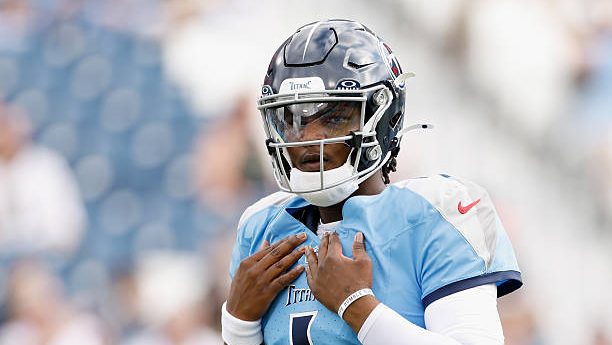
The article analyzes Geno Smith’s 2025 season with the Las Vegas Raiders, highlighting a difficult year that contributed to the team’s poor overall performance. It cites a 60.9 PFF grade, 3,025 passing yards, 19 touchdowns, 17 interceptions, 14 big-time throws, and 23 turnover-worthy plays over 524 dropbacks, painting a picture of a quarterback whose production was hampered by a lack of receiving weapons, an unstable offense, and a struggling defense.
NFL analyst Chris Simms argues that Smith’s 2025 results shouldn’t define him, suggesting the Raiders’ surrounding circumstances were primed for failure and predicting a rebound with the Jets. Simms emphasizes Smith’s willingness to take risks and attack downfield, contrasting this with a blame-centric narrative that could unfairly label his performance. The piece also notes that Simms believes Smith is superior to Kirk Cousins and Tua Tagovailoa for the right offense, fueling the debate about the Raiders’ decision to sign Cousins after trading Smith.
Looking ahead to 2026, the article cites Bleacher Report’s Moe Moton, who lists Geno Smith among quarterbacks under heightened pressure to prove they still have top-level ability. Moton points to Smith’s career peak with Seattle and the Raiders’ failed 2025 experiment as context for his looming challenge: reinvent or solidify his status as a capable starter, now with a franchise that has long struggled with quarterback stability. The overarching takeaway is that Smith’s future depends on both his performance and the organizational environment, with significant scrutiny on his ability to rebound and justify the off-season moves.
Key takeaways:
– Geno Smith’s 2025 season with the Raiders featured strong individual risk-taking but costly turnovers and mediocre team results.
– Analysts argue the surrounding circumstances, not just Smith, influenced the poor year, and predict a potential rebound with the Jets.
– The discussion includes a broader quarterback trajectory debate, comparing Smith to Kirk Cousins and Tua Tagovailoa, and highlighting the high-pressure outlook for 2026.