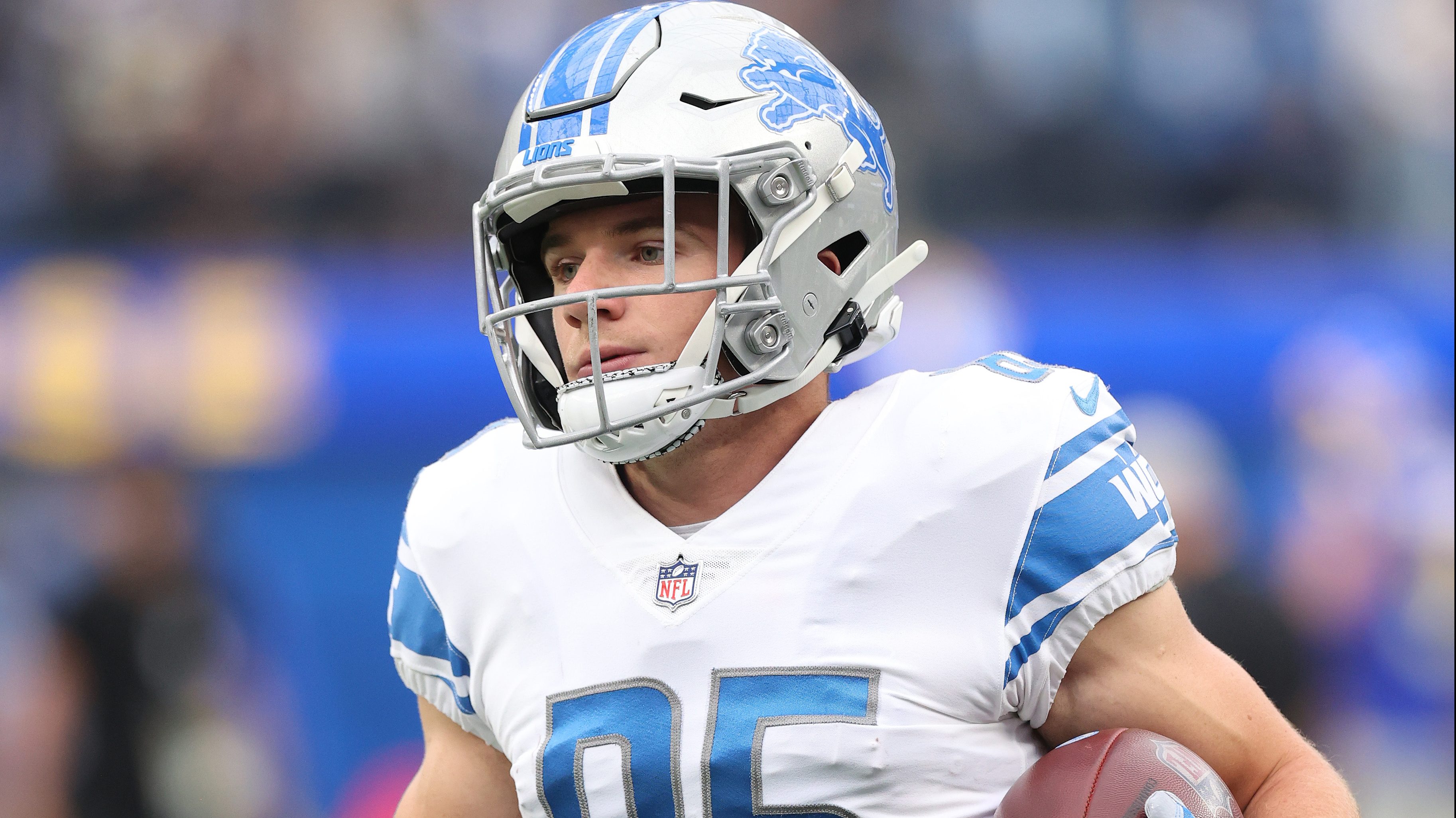
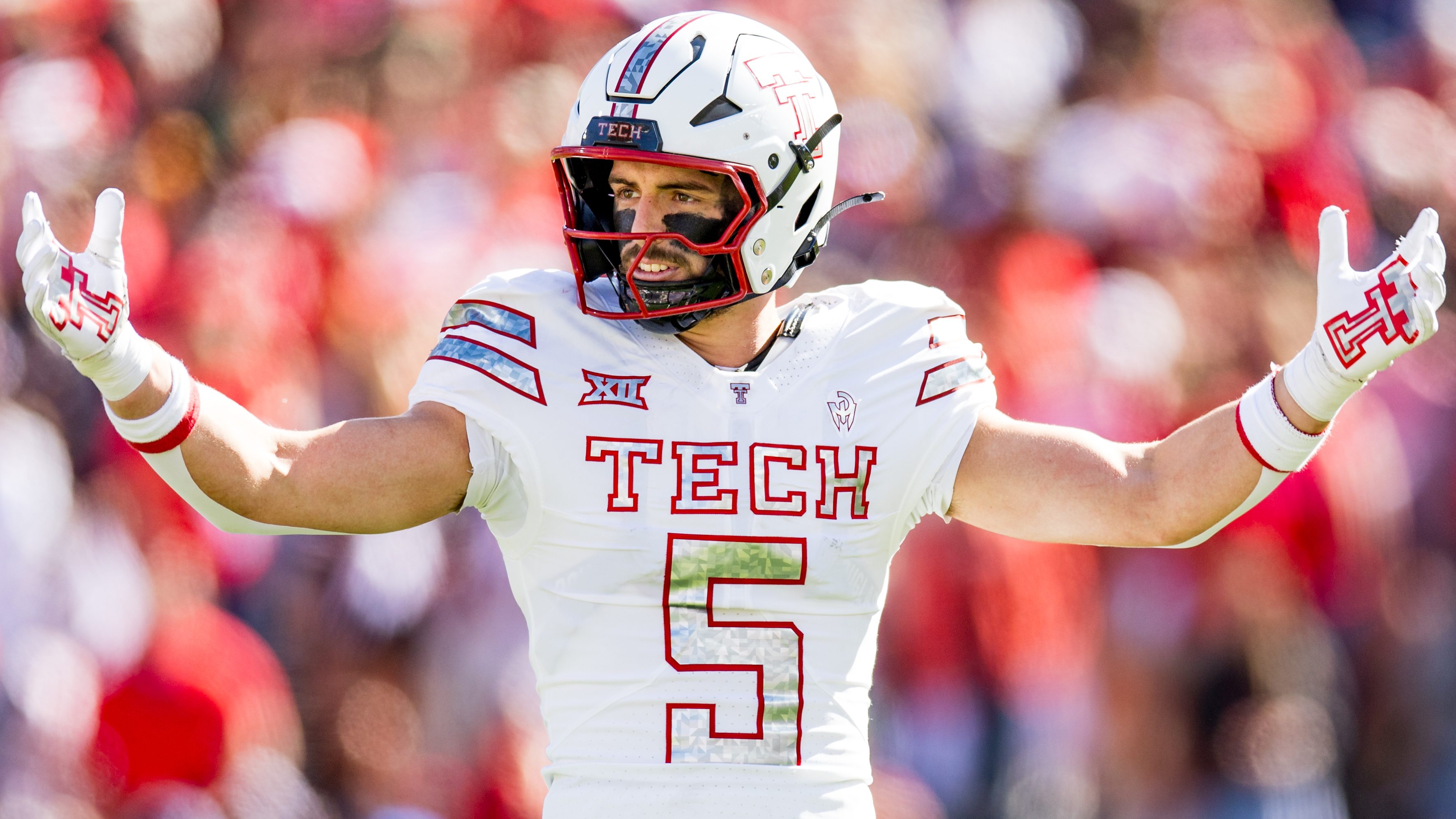
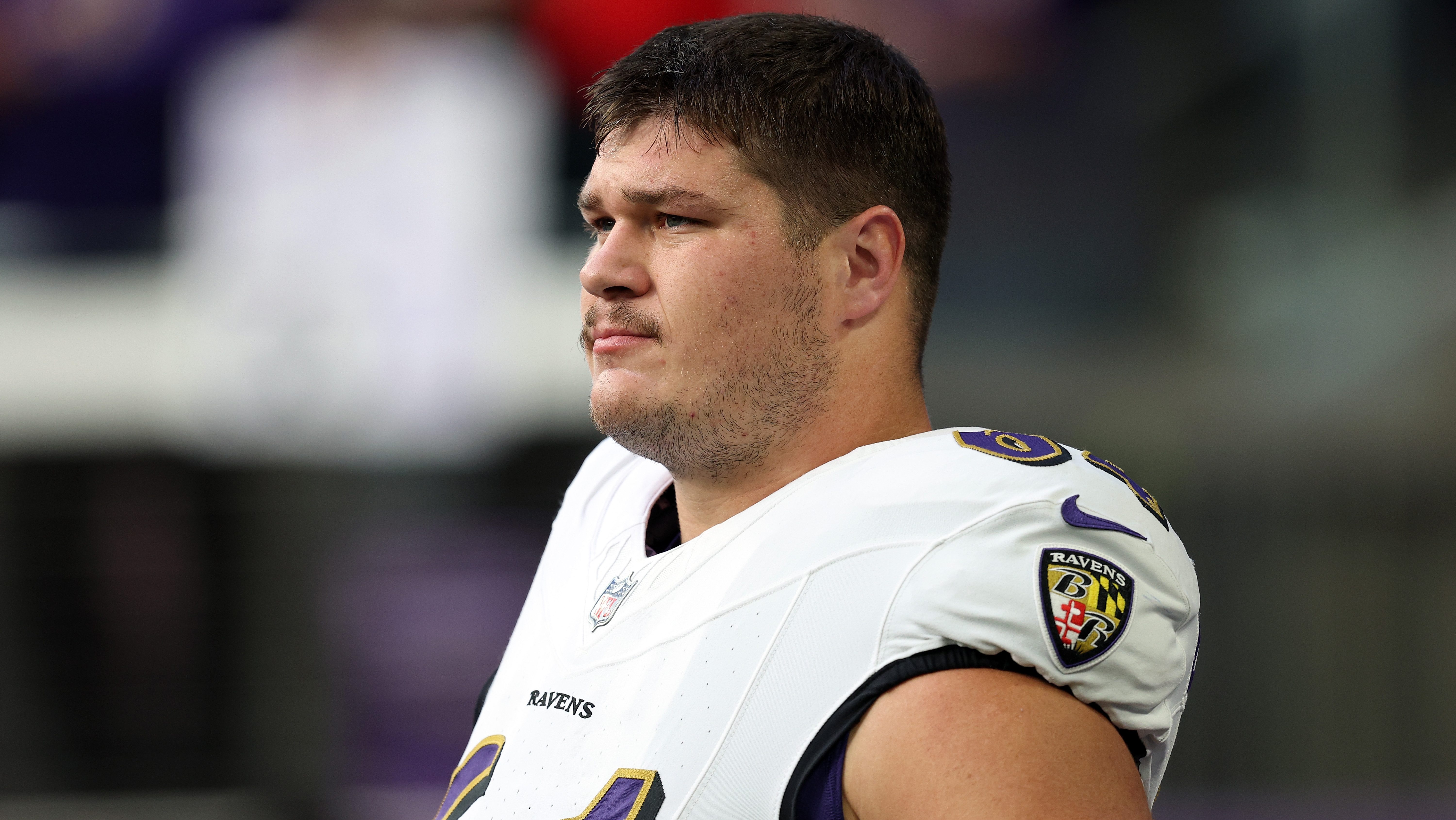
Key points include:
– Saleh’s rationale stems from past injuries during rookie camps, aiming to prevent a repeat with top picks like Tate.
– Public discourse erupted over the lack of on-field exposure for rookies, with some veterans and media figures criticizing the approach.
– The broader fan discourse highlighted the contrast between viewing drills as entertainment versus evaluating football readiness, illustrated by reactions to a special teams drill that went viral for its unconventional style.
– Titans’ special teams coach Bones Fassel framed the memorable drill as a showcase of versatility, while the team returned to normal drills afterward, including seven-on-seven and route concepts.
– The piece also reflects nostalgia and concern about rookie performance history, comparing Tate’s situation to Treylon Burks’ challenging first camp and its perceived implications for Titans’ offensive development.
Key takeaway: the camp sparked a national conversation about rookie development, injury risk, and media access, while signaling that the Titans will continue evaluating both rookies and veterans in structured OTAs to come.
Key Takeaways:
– Saleh’s risk-avoidant approach to rookie camp aims for long-term evaluation over immediate on-field exposure.
– Social media reaction amplified by viral drills, underscoring the gap between practice footage and actual football readiness.
– Special teams drills provided a entertaining showcase, but were used to demonstrate broader football skills and team-wide development.