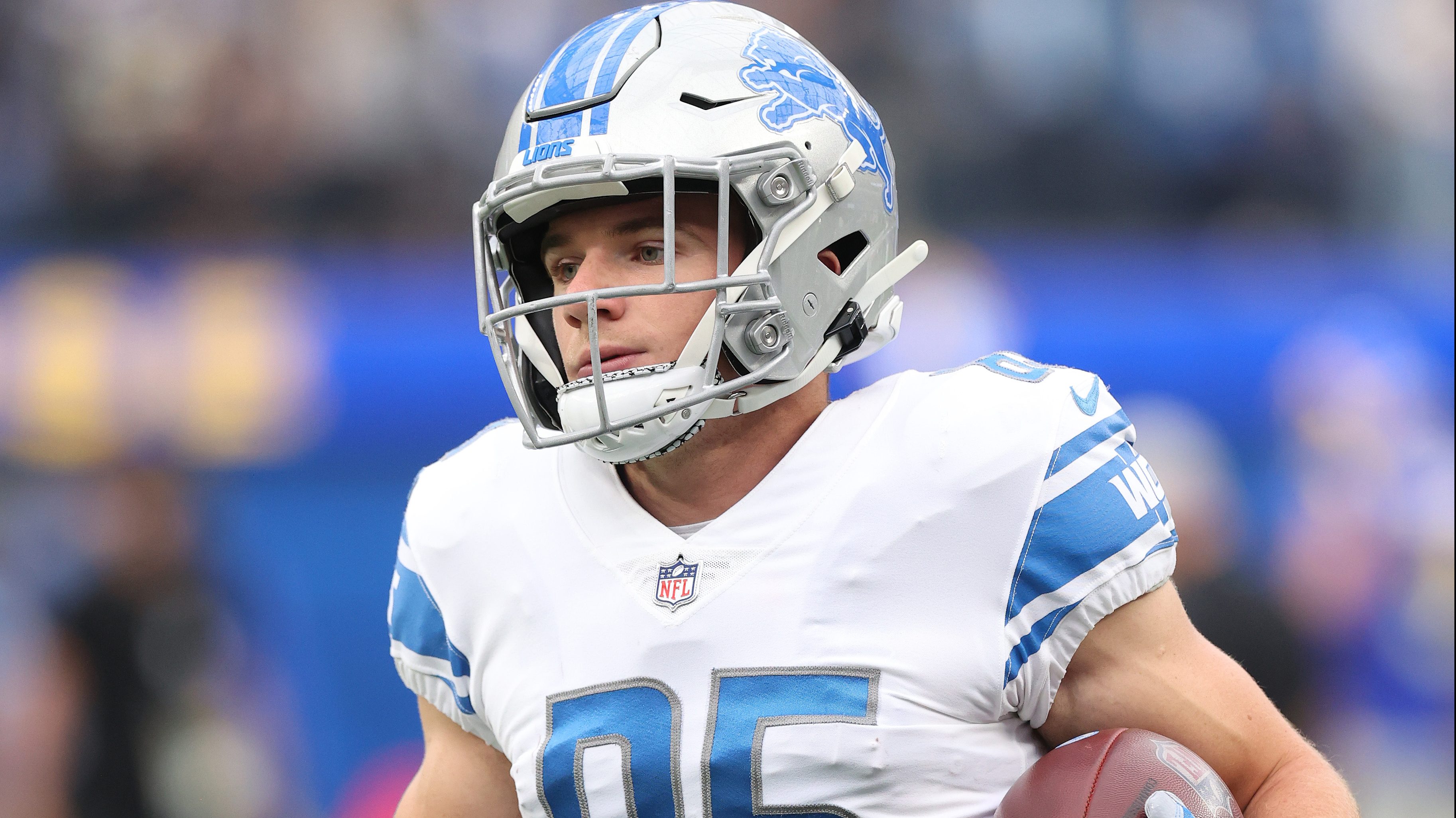
Key points and insights:
– Rationale: Lions chose not to exercise Campbell’s fifth-year option to avoid near $22 million guaranteed in 2027, signaling a strategic focus on long-term fit and value rather than immediate cap burden.
– Three extension models:
– High AAV approach: Four-year extension around $96 million (roughly $24M/year) to place Campbell among the league’s top-paid linebackers, with front-loaded structure to manage cap hits early.
– Top guarantees approach: Emphasizes maximum guaranteed money to secure Campbell’s financial commitment, potentially making him the most-guaranteed linebacker in NFL history while spreading cap impact over the term.
– Balanced cash/dead-money plan: Tables detail structured base salaries, prorated bonuses, cap hits, and dead money across 2026–2031, showing how different designs affect the Lions’ cap flexibility and Campbell’s compensation.
– Financial specifics: The projections include detailed year-by-year figures for base salary, prorated bonus, cap hit, and dead money, highlighting how each scenario shifts financial risk between 2026 and 2031.
– Reader takeaway: These scenarios demonstrate the Lions’ intent to retain Campbell with competitive compensation while preserving cap room, and they illustrate how cap strategy can align long-term player value with team finances.
Key Takeaways:
– The Lions’ decision not to exercise the fifth-year option opens multiple paths to retain Jack Campbell through lucrative extensions.
– Each proposed contract emphasizes different priorities (highest average annual value, maximum guarantees, or a balanced cap plan) to secure Campbell’s long-term role.
– Detailed year-by-year cap and dead-money projections help illustrate the financial trade-offs and cap management involved in extending a young All-Pro linebacker.