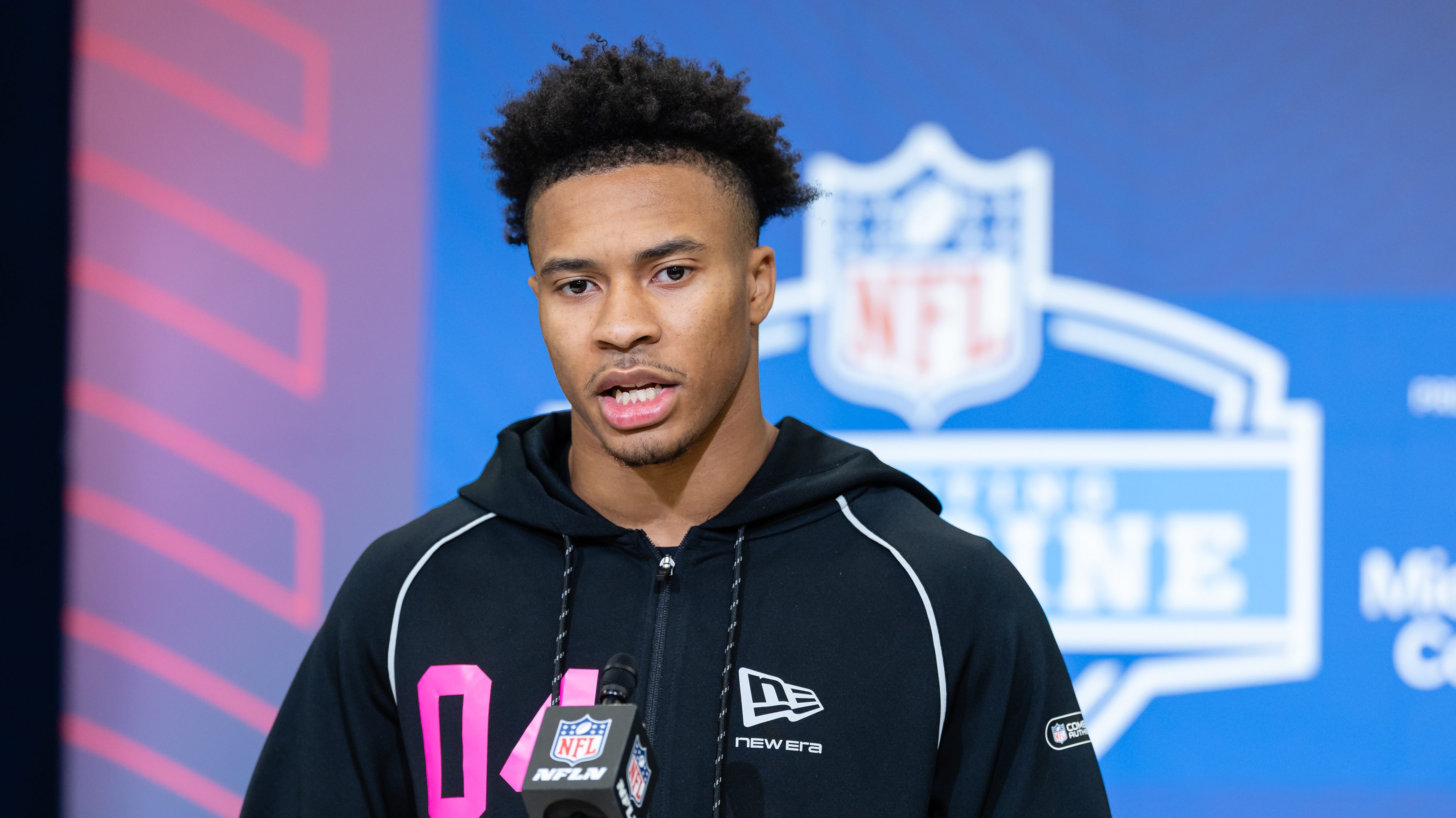
Key insights include: Stafford’s evolving status and contract discussions that add leverage for the Rams, the coaching and front-office alignment behind Simpson, and the nuance of drafting a quarterback early while managing an entrenched veteran. Executives noted Sean McVay’s influence and the potential for a Stafford-backed pathway to long-term QB security, though opinions remain divided—some regard the move as genius or well-planned leverage, while others suggest alternative strategies such as moving back in the draft.
In summary, the Rams’ quarterback strategy reflects a forward-looking approach: leveraging Stafford’s experience and MVP-caliber play while investing in Ty Simpson to secure the franchise’s quarterback of the future, with contract extensions and internal dynamics shaping the unfolding plan.
Key takeaways:
– Rams drafted Ty Simpson at No. 13 to pair immediate veteran stability with long-term quarterback insurance.
– Stafford’s age, injury history, and ongoing contract discussions influenced the decision and its perceived value.
– Leadership from Sean McVay and Les Snead plays a pivotal role, with varied insider opinions on the wisdom and timing of the pick.
– The plan aims to maximize Stafford’s remaining prime years while ensuring a seamless transition to the next era at QB.