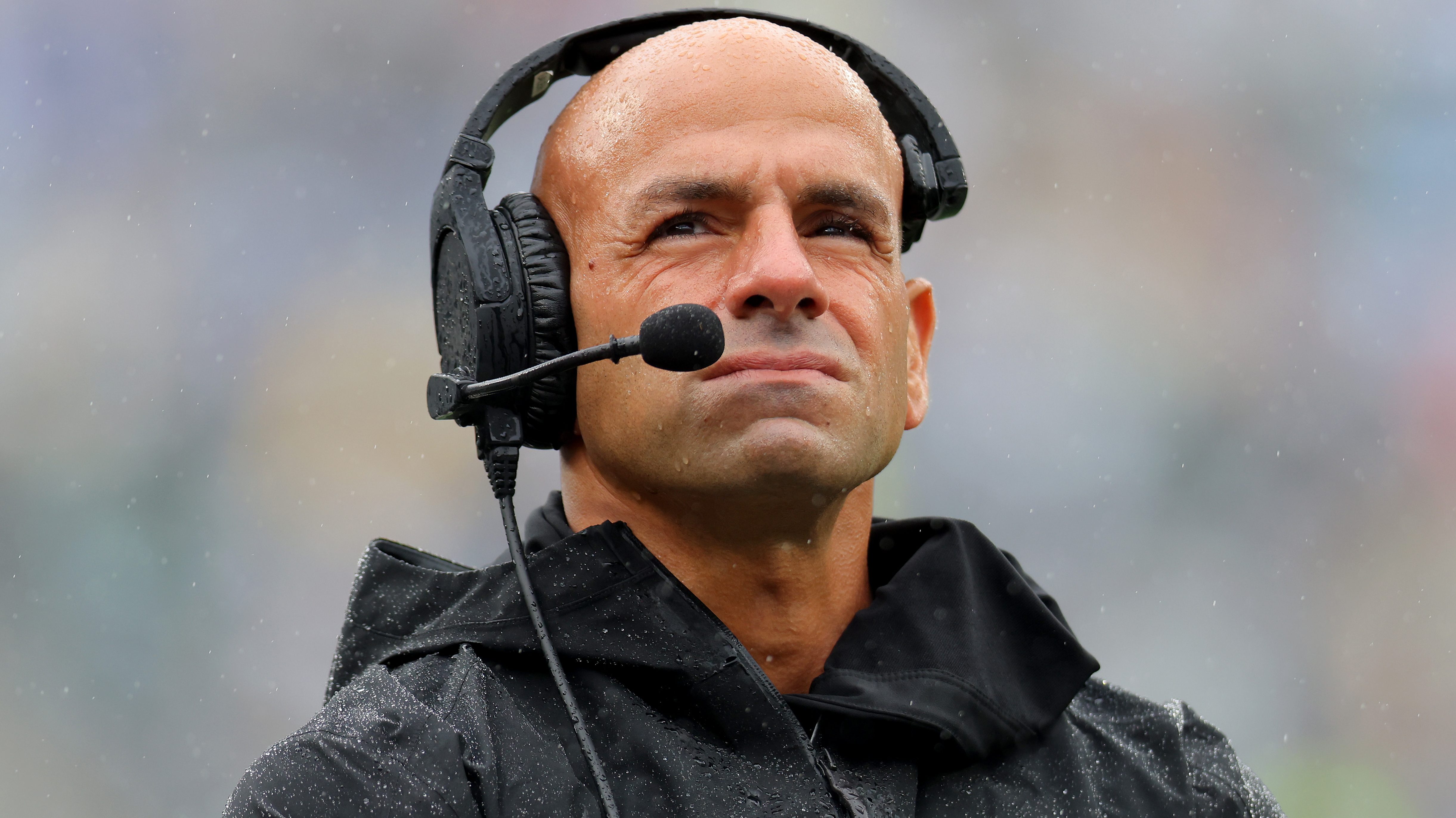
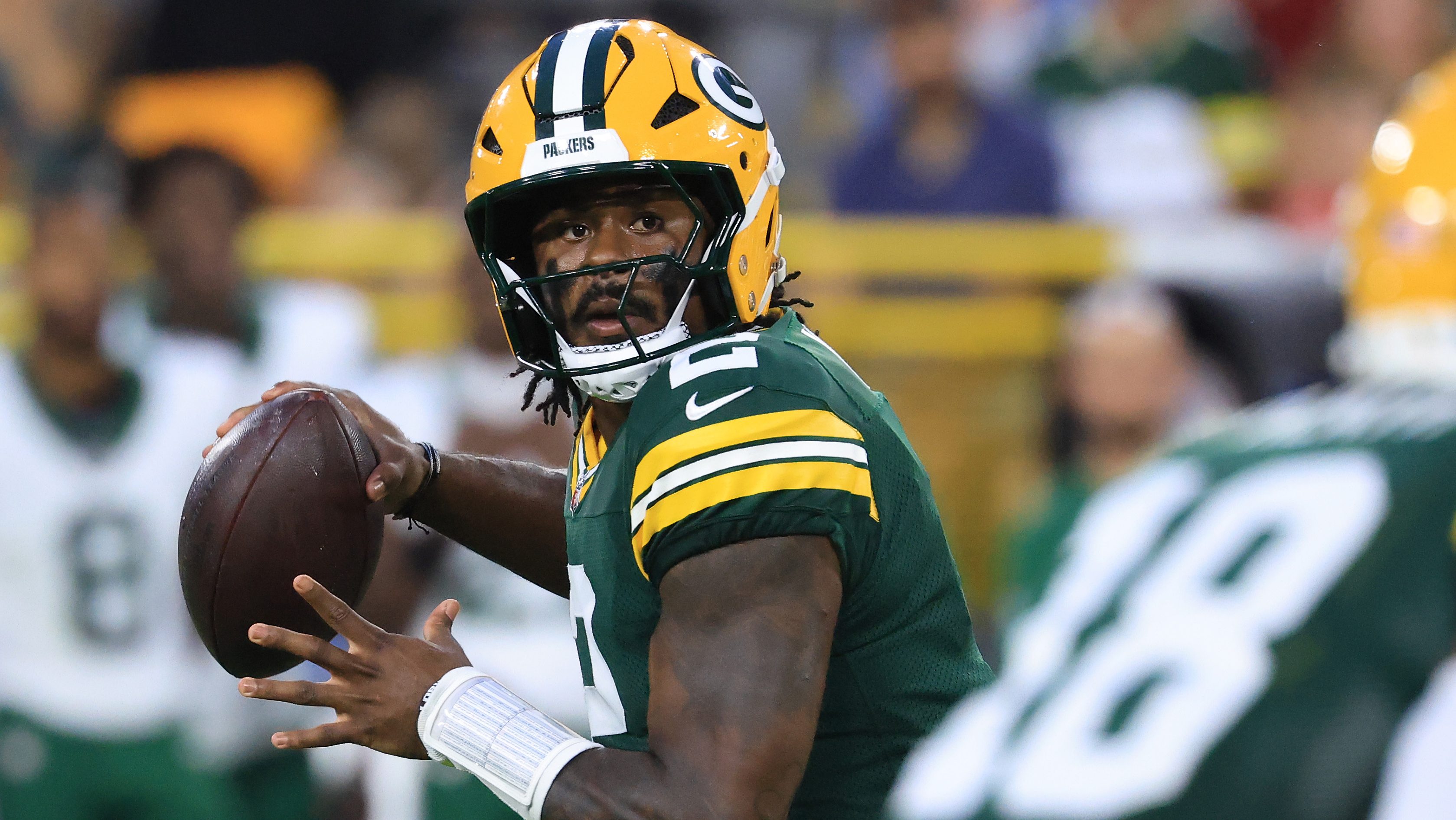
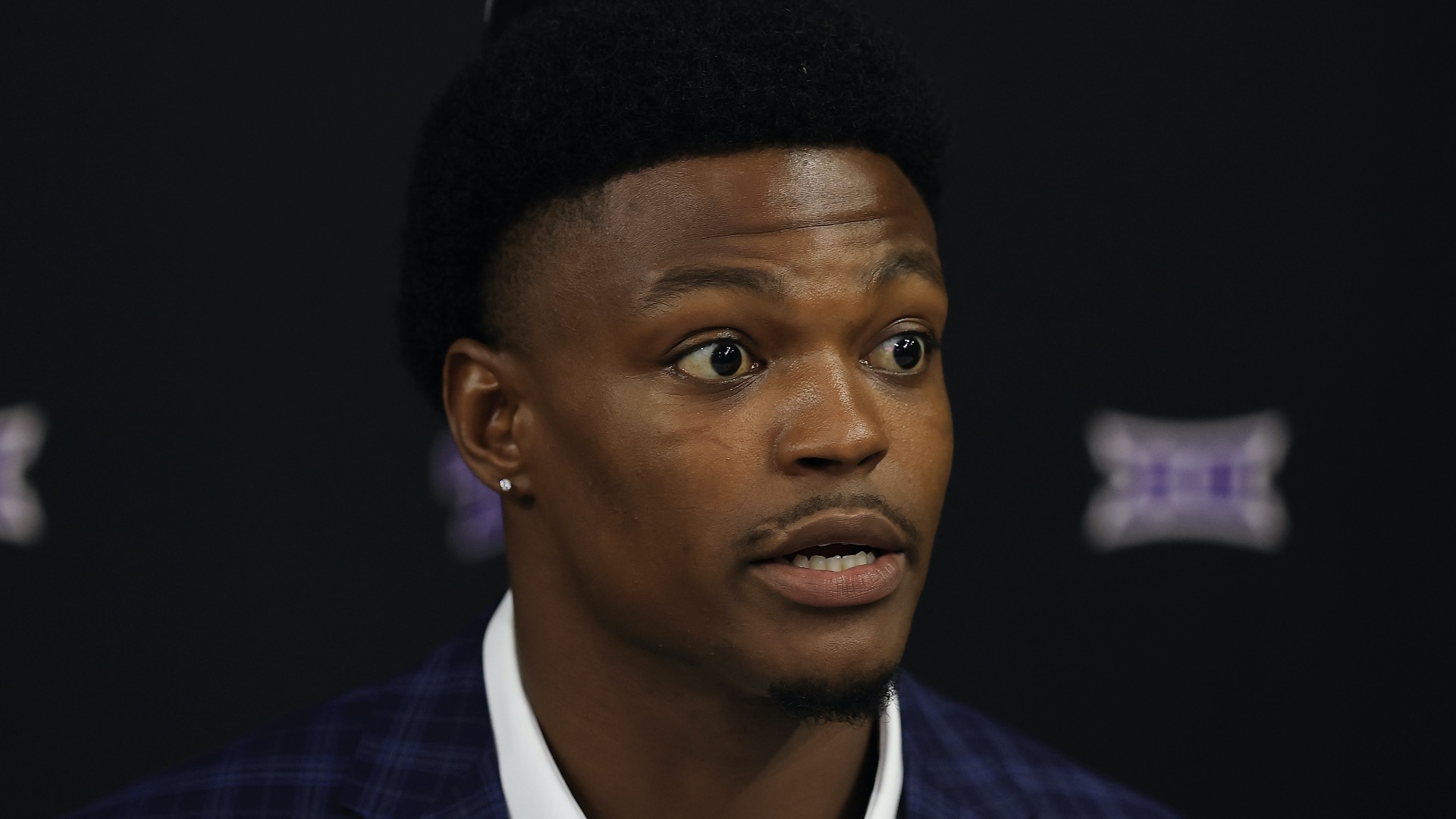
Beyond individual selections, the draft reflects stronger organizational alignment between head coach Aaron Glenn and general manager Darren Mougey. Mougey is adopting a more analytical, historical-patterned drafting process, while Glenn has adjusted his coaching staff and communication to support a cohesive development pathway. The Jets also deliberately avoided pushing a quarterback pick, instead fortifying the line and pass-catching options to create an environment where a future signal-caller can develop with less systemic pressure.
In summary, this draft is about building a stable, repeatable framework for long-term success: clear roles, balanced rosters, and an integrated front-office/coaching strategy. While the ultimate payoff depends on on-field performance, the emphasis on alignment and measurable process marks a meaningful shift from past reactive, high-variance moves. Key questions moving forward are whether this cohesive approach translates to player development, in-game decisions, and sustained competitiveness.
Key Takeaways:
– Draft prioritizes certainty, defined roles, and immediate usability over projection-based upside.
– Organizational alignment between the GM and head coach is central to development and decision-making.
– Strategic QBs decisions reflect a long-term correction by strengthening supporting infrastructure first.
– The approach aims to create a stable, logical process for roster construction that could endure beyond a single draft class.