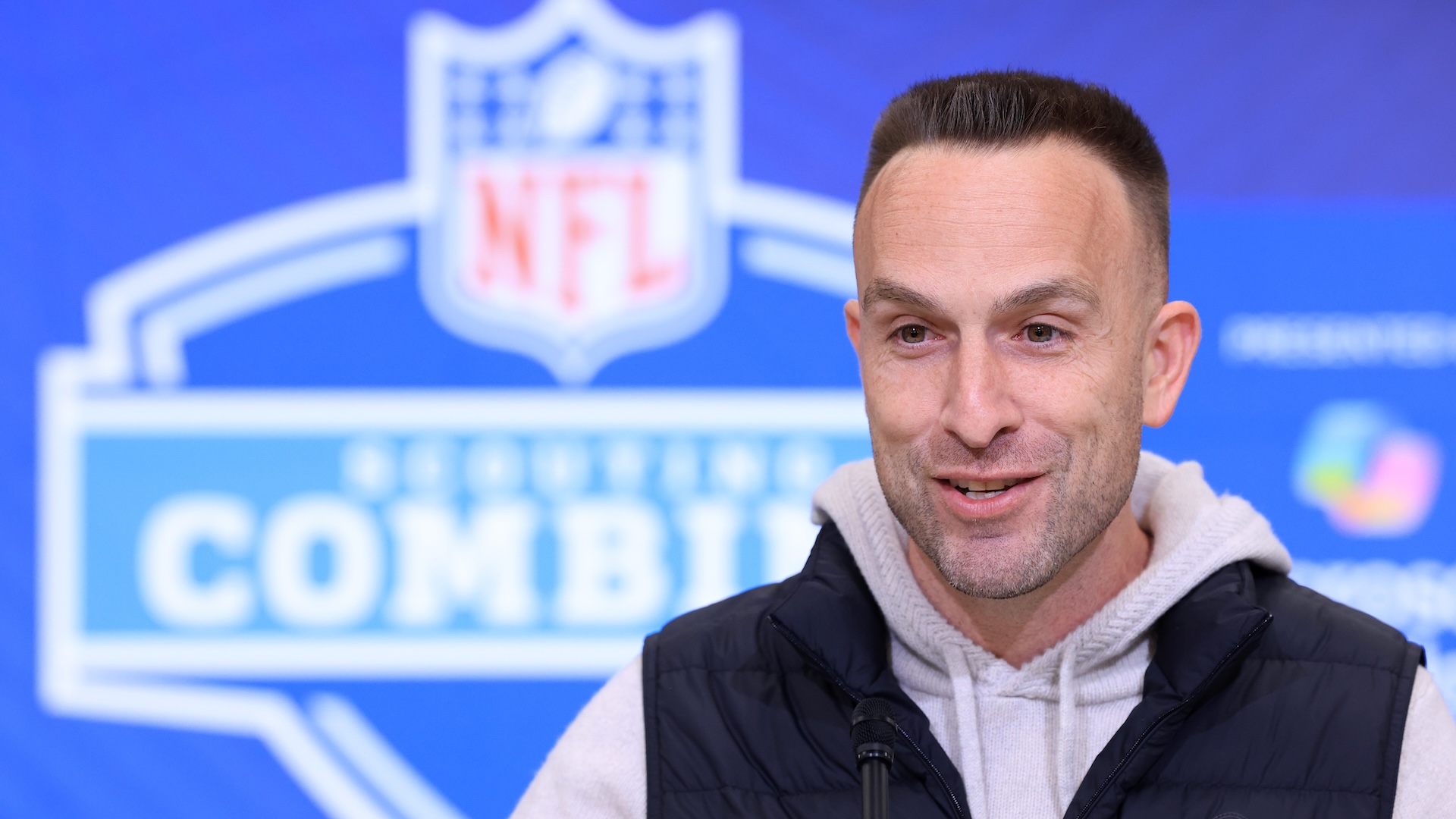
Eric DeCosta explained the decision, noting two centers they liked went in the second round, and the Ravens elected not to trade up due to the high cost. He indicated confidence that the position would be addressed by the start of the 2026 season, pointing to the team’s evaluated depth, including the possibility of competition among several players. DeCosta also referenced the potential trade-off: acquiring a highly valued upgrade versus sacrificing multiple picks, ultimately suggesting the current draft class still offered value at other positions.
In the offseason, the Ravens did add center depth by signing Danny Pinter, a former All-MAC standout with NFL experience. Pinter’s recent resume included starter roles and a notable performance with the Colts, though his 2025 season saw limited snaps. DeCosta reiterated that Baltimore would have a plan at center and that competition would determine the starter as September approaches, aligning with the club’s broader strategy of optimizing the offensive line while avoiding high-cost draft-day trades.
Key highlights:
– No center drafted in 2026 despite Tyler Linderbaum’s departure; 11 rookies selected.
– DeCosta rationale: two second-round centers were unavailable without costly trades; overall draft value weighed against a center upgrade.
– Offseason addition: Danny Pinter at center, bringing veteran experience and versatility.
– Ongoing plan and competition expected to solidify the center position by Week 1, with emphasis on building a strong offensive line.
Key Takeaways:
– The Ravens prioritized overall talent and positional value over trading up for a center.
– DeCosta remains confident in internally developed depth and in-house competition to fill the center role.
– The signing of Danny Pinter adds experienced depth as the team plans for the 2026 season.