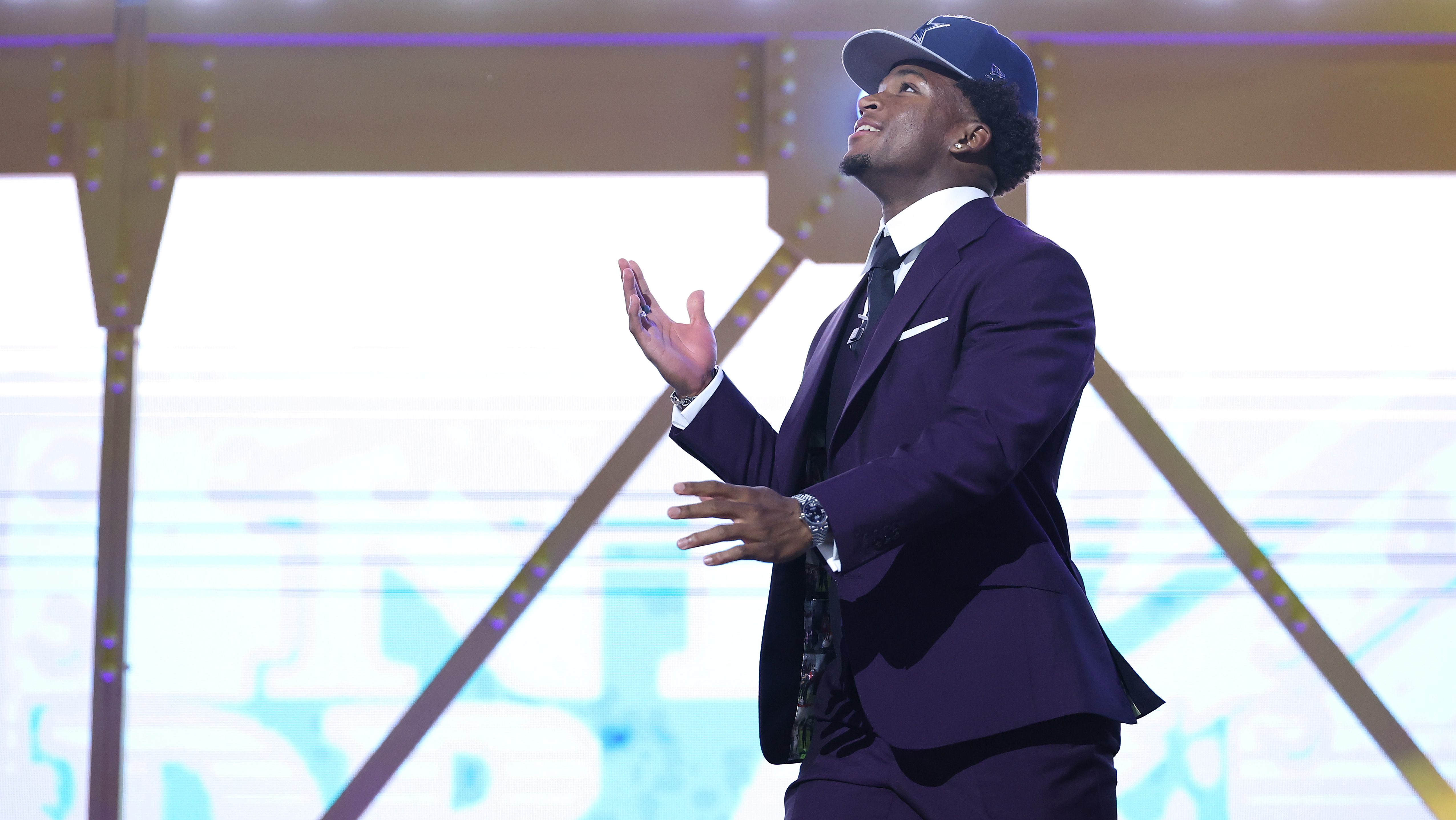
Payton arrives as a high-upside, dual-threat left-handed QB (6’3″, 232 lbs) who showed strong production in 2025 (3,188 passing yards, 16 TDs, 13 rushing TDs, 4 interceptions, 72% completion). Scouts view him as a potential Taysom Hill-like weapon with more passing ability, capable of extending plays and thriving in short-yardage situations, though he remains a raw, unfinished product with some mechanical inconsistencies and injury history. On the depth chart, he sits behind Hurts, Andy Dalton, and Brock Tenner McKee, indicating he’s slated for development rather than immediate starting duty.
The pick arrives at a pivotal moment for Hurts, who has faced scrutiny after a Super Bowl-era peak and a recent stretch of less consistent performance. In Philadelphia, quarterback discussions are never quiet, and Payton’s arrival is expected to ignite fan chatter, media speculation, and debates about whether history might repeat itself. Ultimately, the move underscores Howie Roseman’s ongoing emphasis on developing a robust quarterback pipeline, while reinforcing that Payton’s role is to learn behind a proven leader and contribute as a high-upside future asset.
Key Takeaways:
– Cole Payton’s selection links to the Eagles’ North Dakota State quarterback tradition, signaling development-focused depth behind Hurts.
– Payton brings size, dual-threat ability, and notable 2025 production, but must refine mechanics and consistency at the NFL level.
– The move intensifies Hurts-era scrutiny in Philadelphia and reinforces the franchise’s “quarterback factory” philosophy, with Payton positioned as a high-upside project rather than an immediate starter.