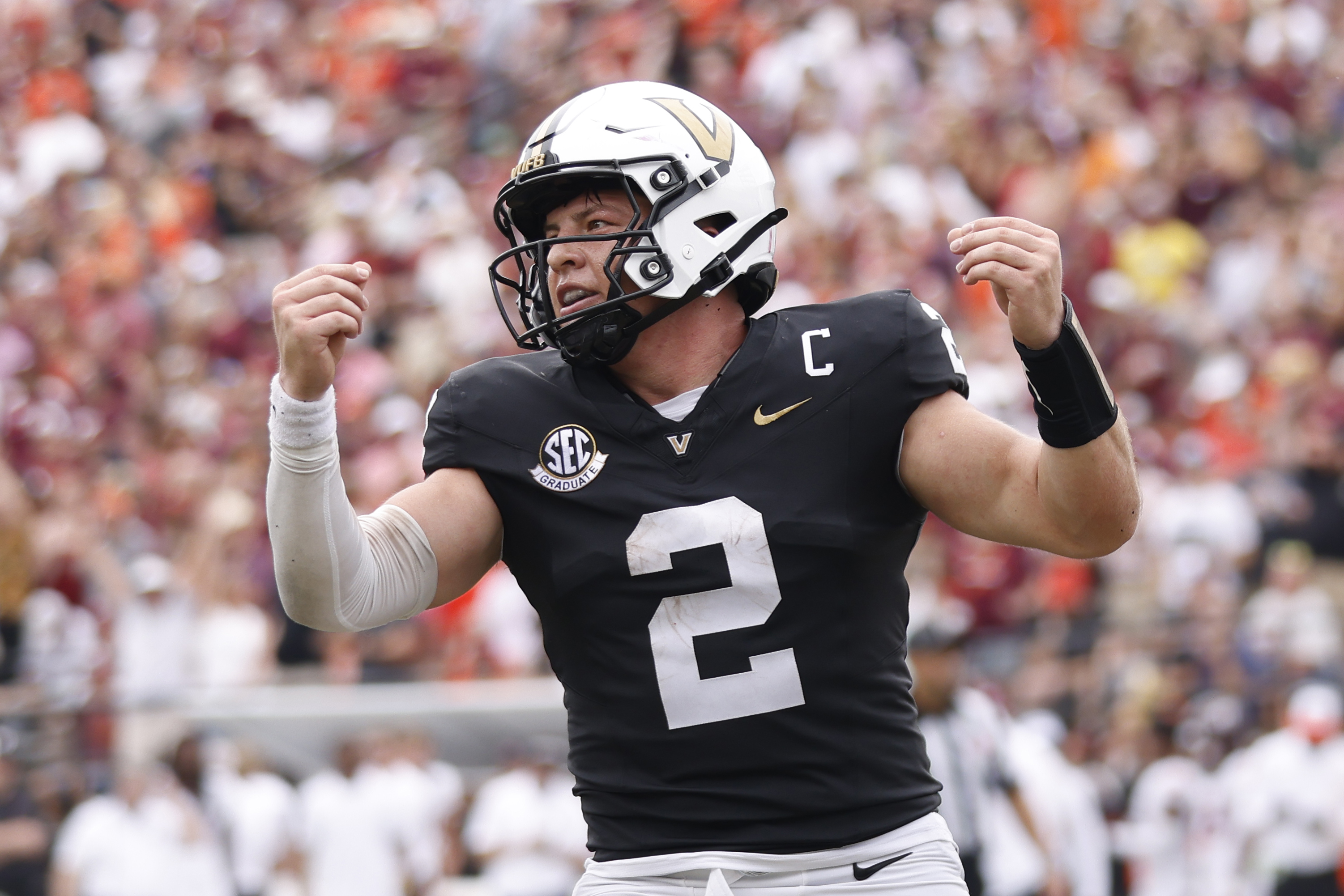
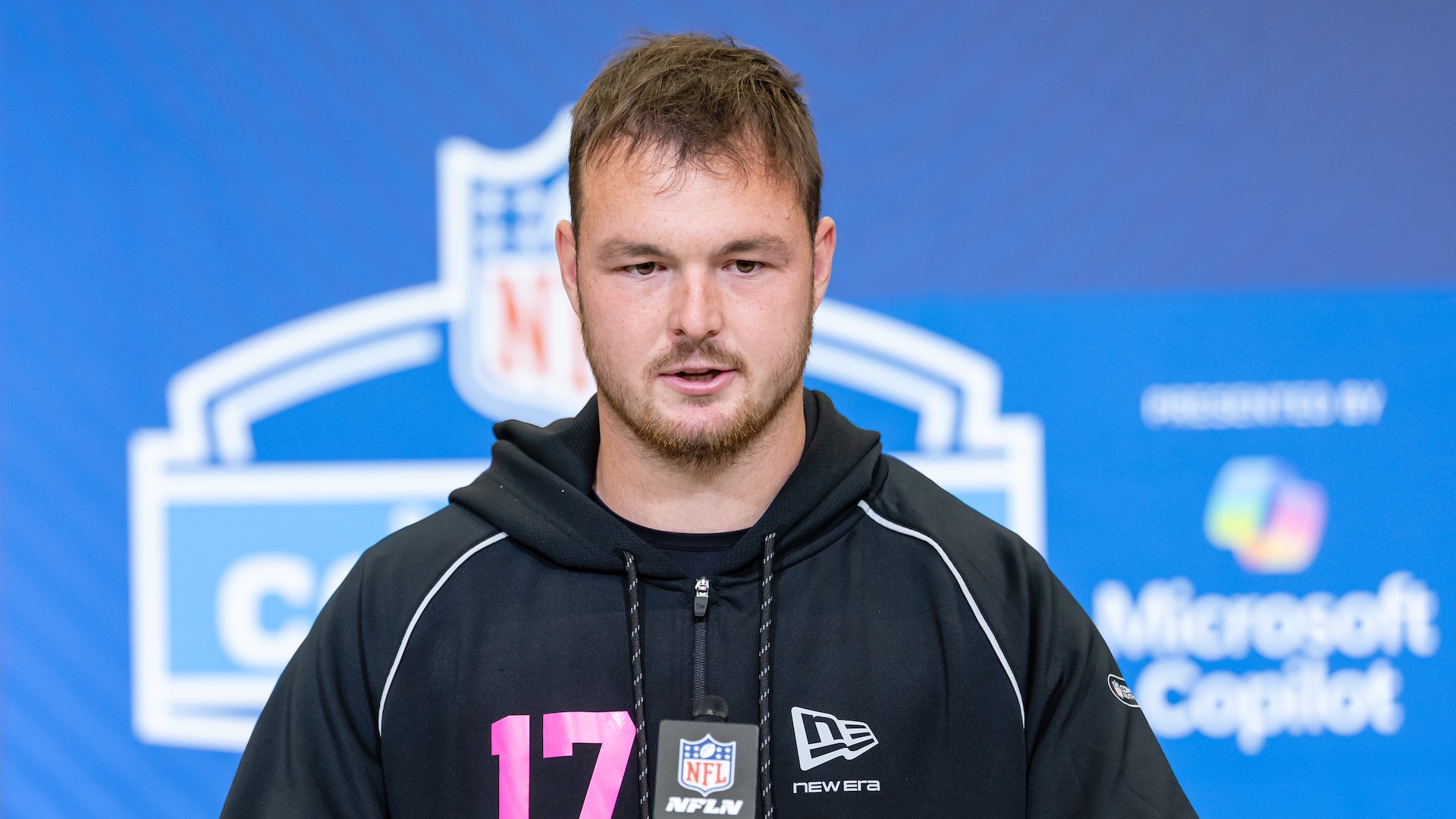
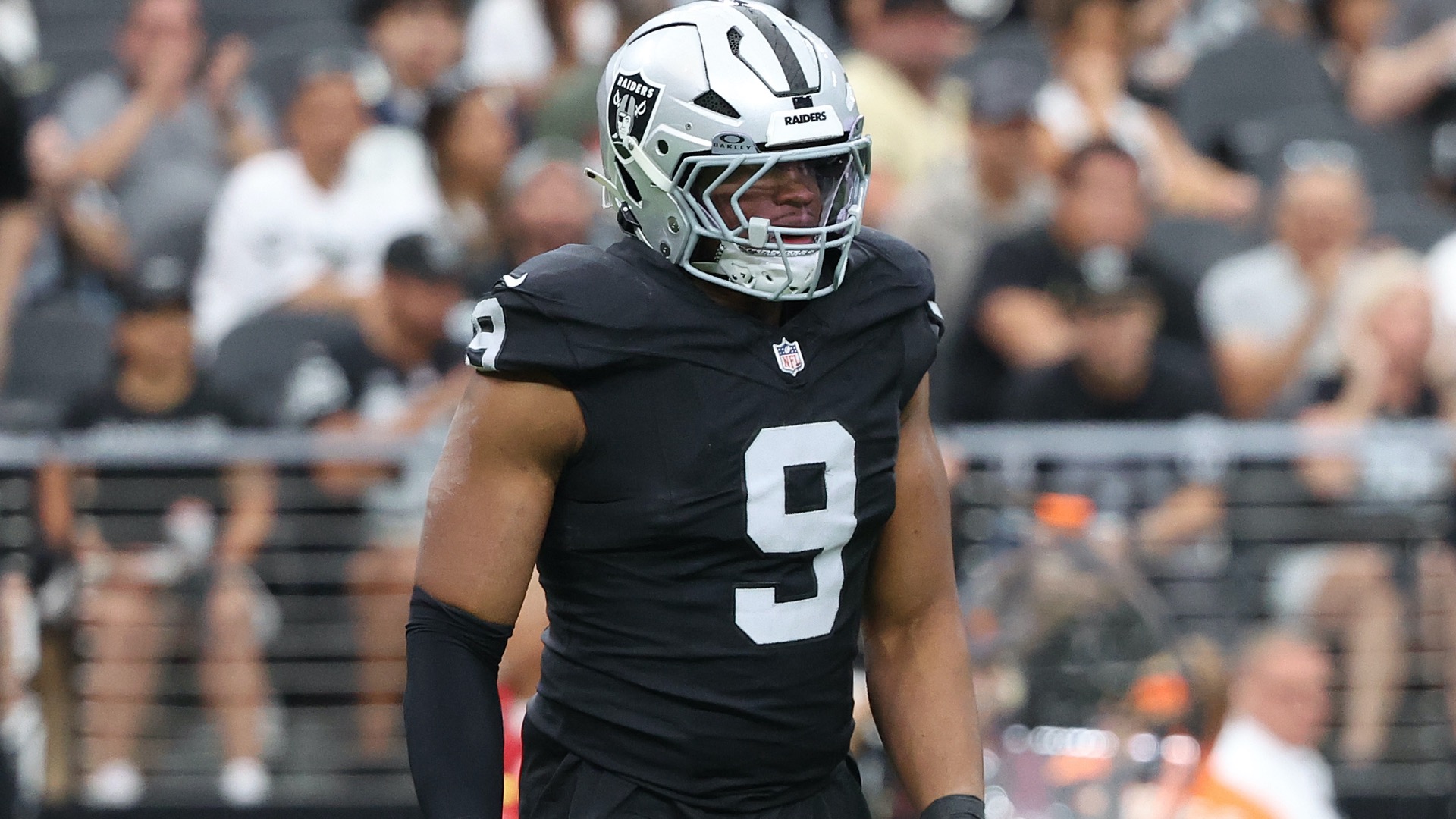
Key picks include Round 1, Caleb Banks (IDL, Florida) at 18; Round 2, Jake Golday (LB, Cincinnati) at 49; Round 3, Domonique Orange (IDL, Iowa State) at 82; Round 3, Caleb Tiernan (OT, Northwestern) at 97; Round 3, Jakobe Thomas (S, Miami) at 98; along with later selections Demond Claiborne (RB, Wake Forest), Max Bredeson (FB, Michigan), Charles Demmings (CB, Stephen F. Austin), and Gavin Gerhardt (C, Cincinnati). The class emphasizes big, physical defenders and run-stopping potential, with Banks and Golday viewed as standout athletic additions and Orange, Thomas, and Claiborne strengthening the interior and backfield depth. The draft also yielded a high-impact special teams/nuanced depth profile with Demmings and a physical, versatile back in Claiborne.
However, the reception of the class is mixed, as Bleacher Report graded the Vikings poorly (a D), reflecting concerns that the lack of a permanent GM may have impacted strategic decisions and value. Notably, the team gained two additional third-round picks via a trade for edge-rusher Jonathan Greenard, underscoring a move toward building a tougher, more physical front seven. Overall, the draft sends a clear directional message: the Vikings intend to bolster their defense with young, disruptive players while preserving cap space, but the absence of a full-time GM suggests questions about long-term roster-building strategy.
Key takeaways:
– The Vikings’ 2026 class focuses heavily on defense and physicality, with high upside in Banks, Golday, and Orange.
– The absence of a full-time GM during the draft is a recurring critique and may have influenced overall draft evaluation.
– The team acquired additional future draft capital and targeted a stronger defensive front, signaling a shift toward a run-stopping, press-man style overall.