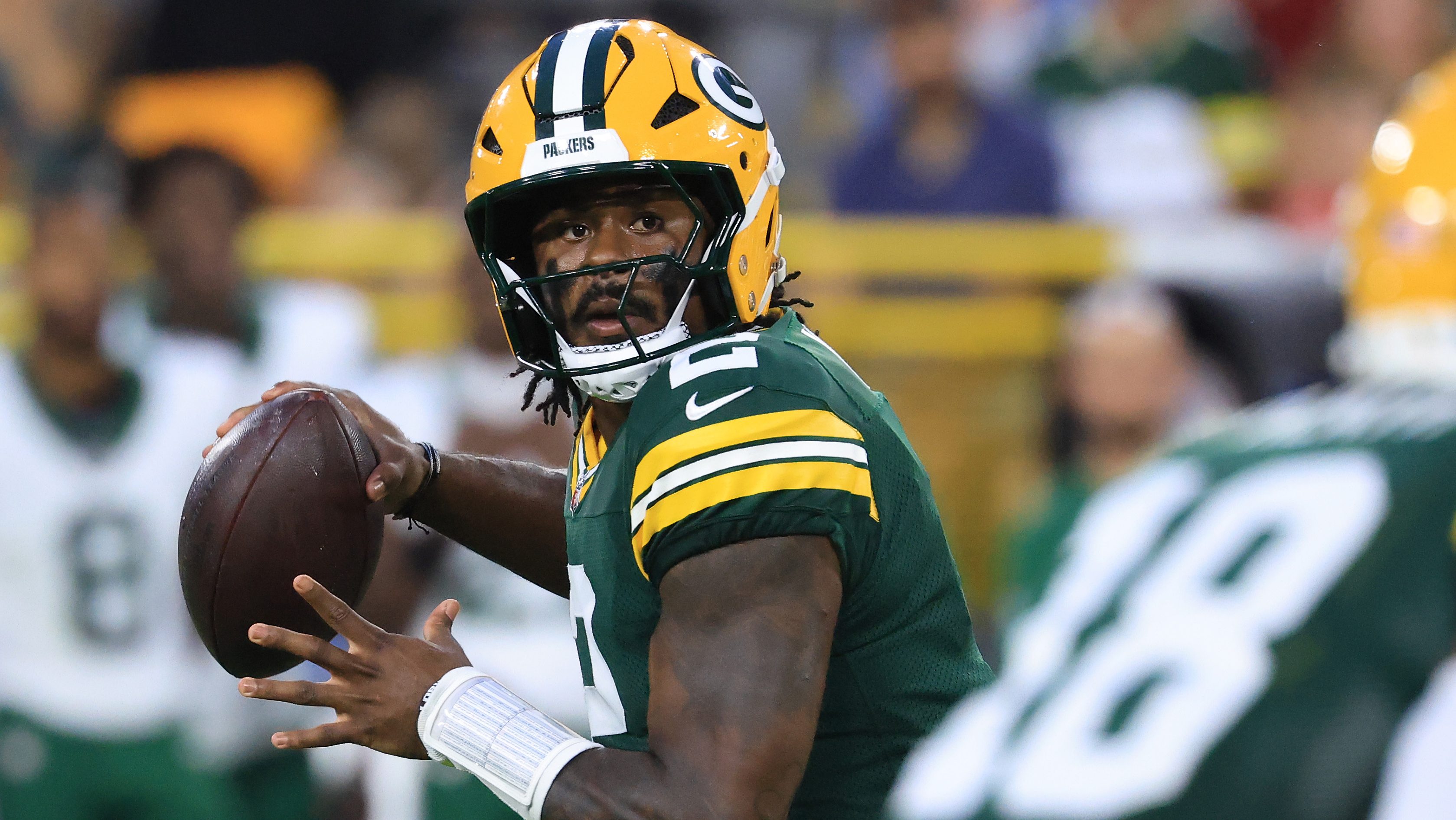
Moss brings meaningful upside: 21 career starts at USC and Louisville, 6,148 passing yards, 43 touchdowns, and nine rushing touchdowns, with a 64.2% completion rate at Louisville. He’s viewed as a valuable practice-squad stash with realistic potential to develop into a QB2 or QB3, especially given his clean mechanics and anticipation throws. This addition reduces the Bears’ dependency on Keenum and creates a developmental route behind Bagent, who remains a high-value trade asset.
Key implications include:
– Moss changes the equation by providing a viable developmental quarterback behind Bagent.
– Bears have signaled openness to trading Bagent if the right opportunity arises, while Moss helps keep long-term options intact.
– Moss’s USC ties with Williams could bolster internal chemistry and mentorship, aiding his learning within Ben Johnson’s system.
– Possible trade considerations point to interest from other QB-needy teams, with Moss serving as a valuable asset if development progresses.
Key Takeaways:
– Miller Moss adds a meaningful developmental option behind Tyson Bagent, strengthening depth and future trade leverage.
– The Bears are quietly positioning for a potential Bagent trade while preserving growth paths for Moss and the QB room.
– Moss’s background and traits align with a long-term project-style quarterback, offering a realistic path to contribute as a future QB2 or QB3.