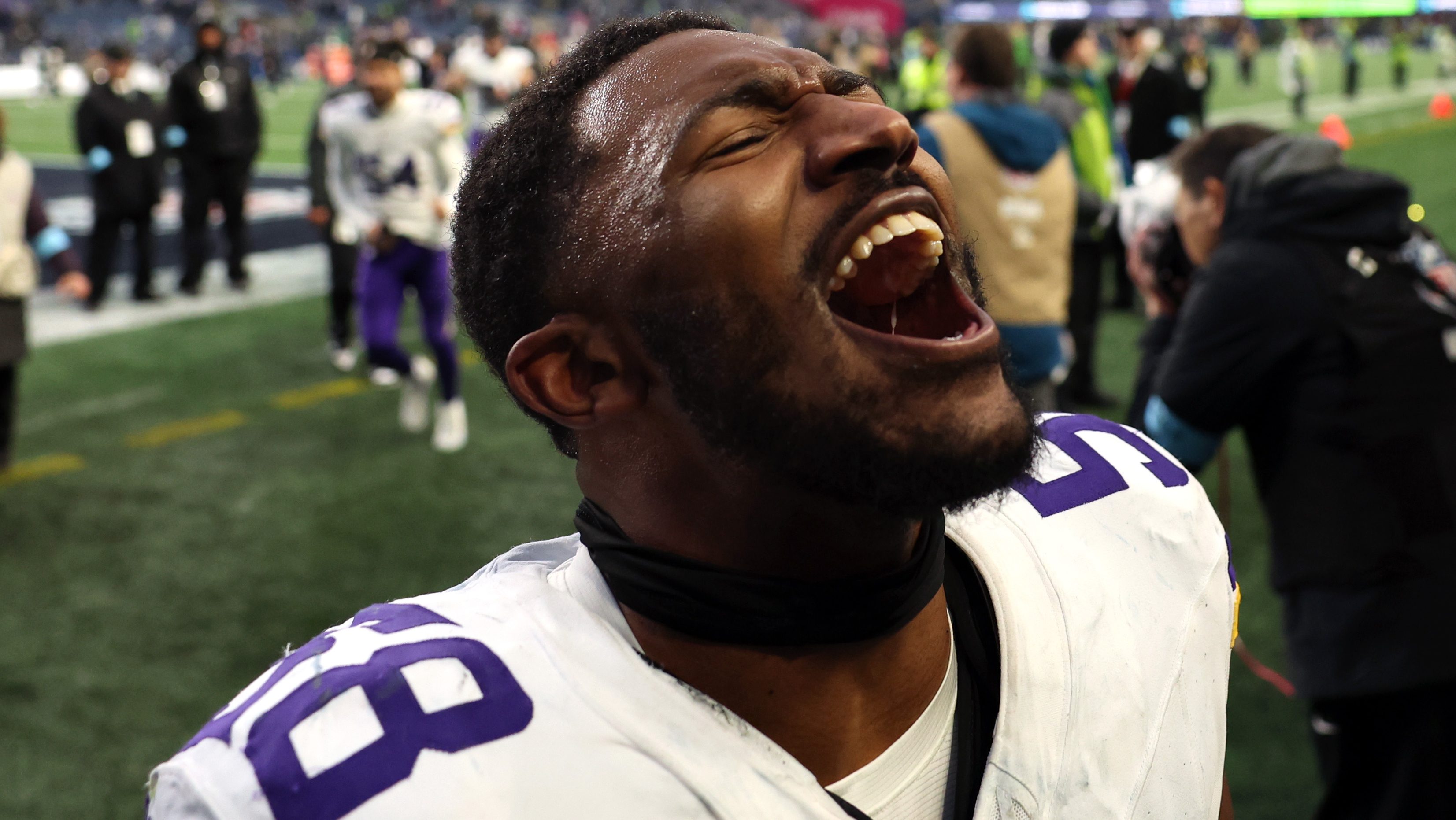
Golday, who began his college career at Central Arkansas and finished with two productive seasons at Cincinnati, posted strong 2025 numbers: 105 tackles (39 solo), six tackles for loss, 3.5 sacks, three passes defended, and a forced fumble. He earned First-Team All-Big 12 honors that season, and NFL scouting notes describe him as a big, explosive defender who thrives near the line of scrimmage and uses powerful hands to engage blockers.
Scouting evaluations highlight both strengths and areas for growth. Golday is praised for his skill at attacking blockers, stacking and finishing plays, but some assessments note occasional late diagnosis of play design and a need for a more proactive downhill trigger. With targeted development, he could become a valuable asset in Minnesota’s defensive schemes, particularly for the floor and athleticism he brings to the second level.
Banks, Minnesota’s first-round pick, drawn mixed reactions due to missing time with injuries in 2025. Still, projections point to a high-ceiling, 6-foot-6, 327-pound interior defender who showed disruptive potential in 2024 with 4.5 sacks and 21 tackles, aligning with the Vikings’ need for interior disruption. A prominent NFL analyst noted Banks as a top-20 talent when healthy, while also acknowledging injury concerns that could affect his pro debut.
Overall, the Vikings’ recent draft moves reflect an emphasis on strengthening the front seven, with Banks providing interior pass-rush and run-stopping potential and Golday adding speed and versatility at linebacker. Minnesota will look to translate these selections into immediate depth and future development under the guidance of defensive coordinator Brian Flores. As with any draft, the true impact will unfold over the coming seasons, but the early framework suggests a strategic effort to bolster the defense along multiple front lines.