Colin Cowherd publicly lauded the Giants for balancing best player available with a need-fill, calling the approach “best player, to the best need to protect your No. 1 asset.” His commentary reflected broad optimism as the team built around core pieces for 2026.
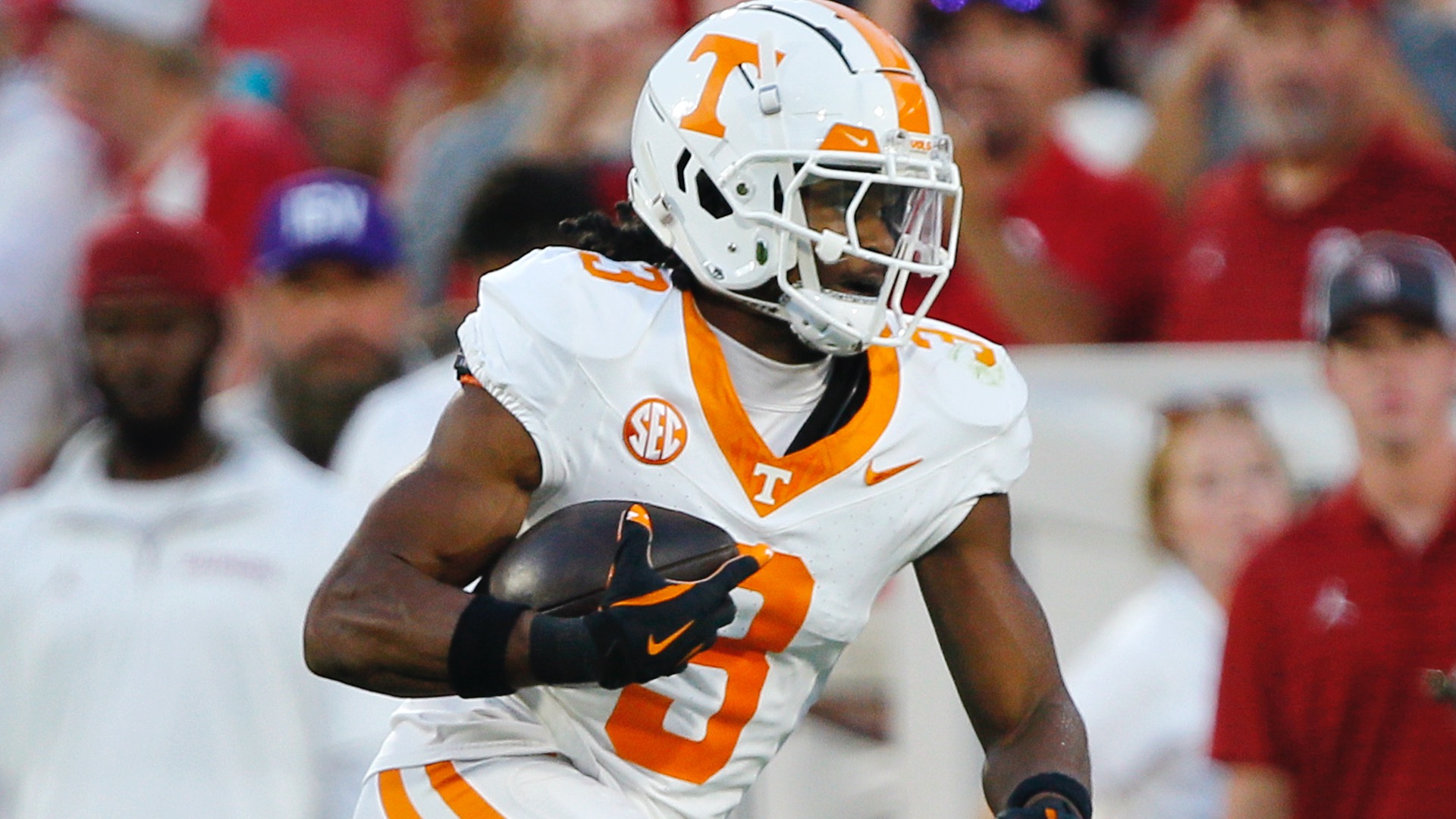
With the 37th overall pick in the second round, New York continued to shape its defense, selecting cornerback Colton Hood from Tennessee. Hood, viewed as one of the top corner prospects, is expected to contribute as a Day One starter for a squad aiming to accelerate its development this season.
Cowherd’s praise extended through the first two rounds, as he labeled the Giants among the biggest early winners of the draft. The continued alignment of draft picks to team needs helped sustain the narrative of a well-executed plan entering the mid-rounds.
Not all analysts shared the optimistic view, however. Former NFL standout Aqib Talib offered a different take, awarding the Giants a B for passing on a highly regarded defensive prospect in favor of other selections. The debate underscored ongoing evaluation of how well the Giants balanced immediate impact with long-term potential.
Among the drafted players, Ohio State safety Caleb Downs, widely regarded as a top talent in the class, slipped just outside the top ten and ultimately joined another team. The decision to pass on Downs remains a talking point as fans and analysts assess the durability of the Giants’ strategy beyond the opening rounds.
Overall, the Giants’ draft approach drew notable praise for emphasizing top talent alongside needs, while triggering debate among experts about the long-term fit and positional depth. The 2026 class now enters a pivotal period as the team attempts to translate early-round gains into on-field results.