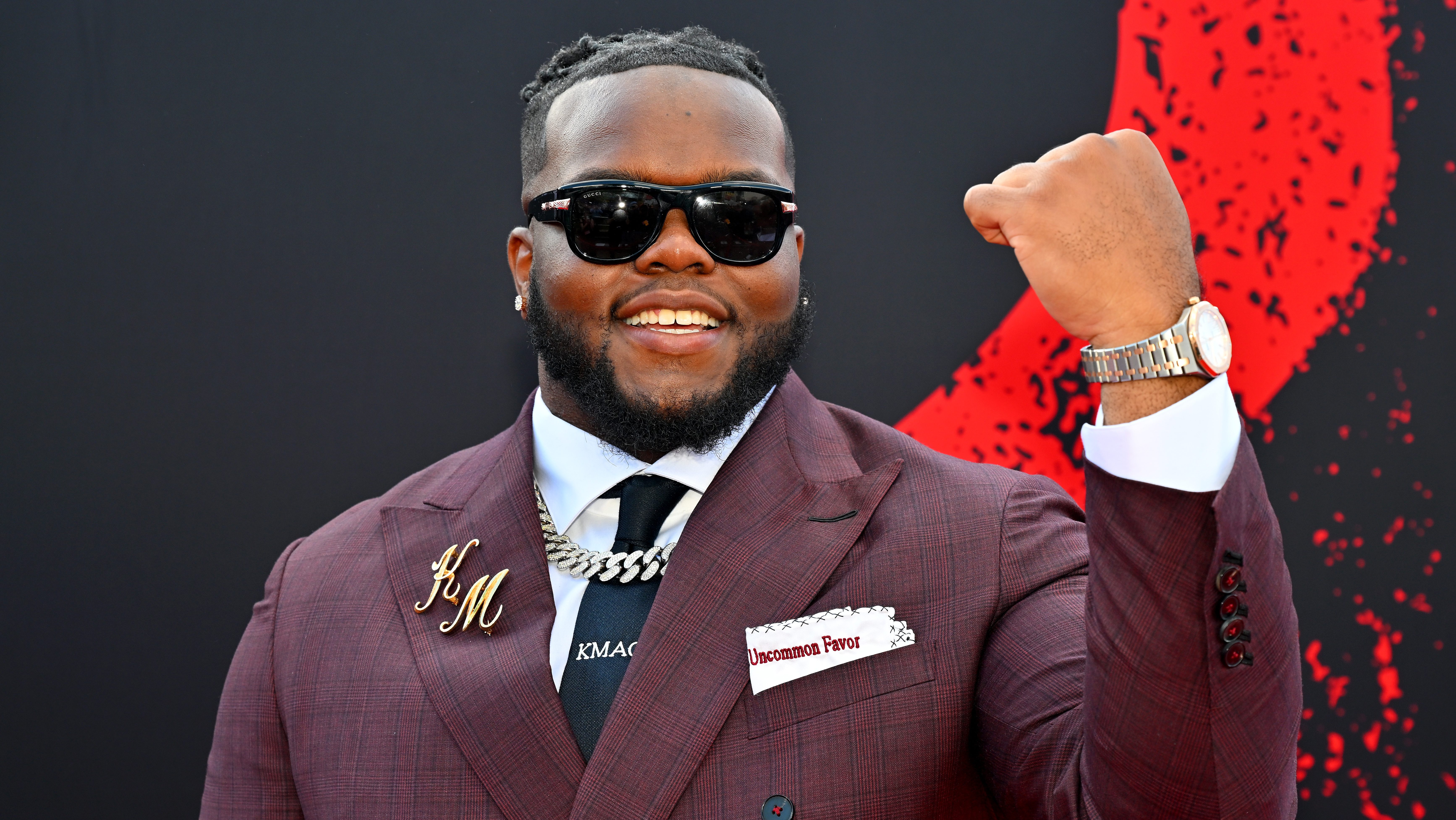
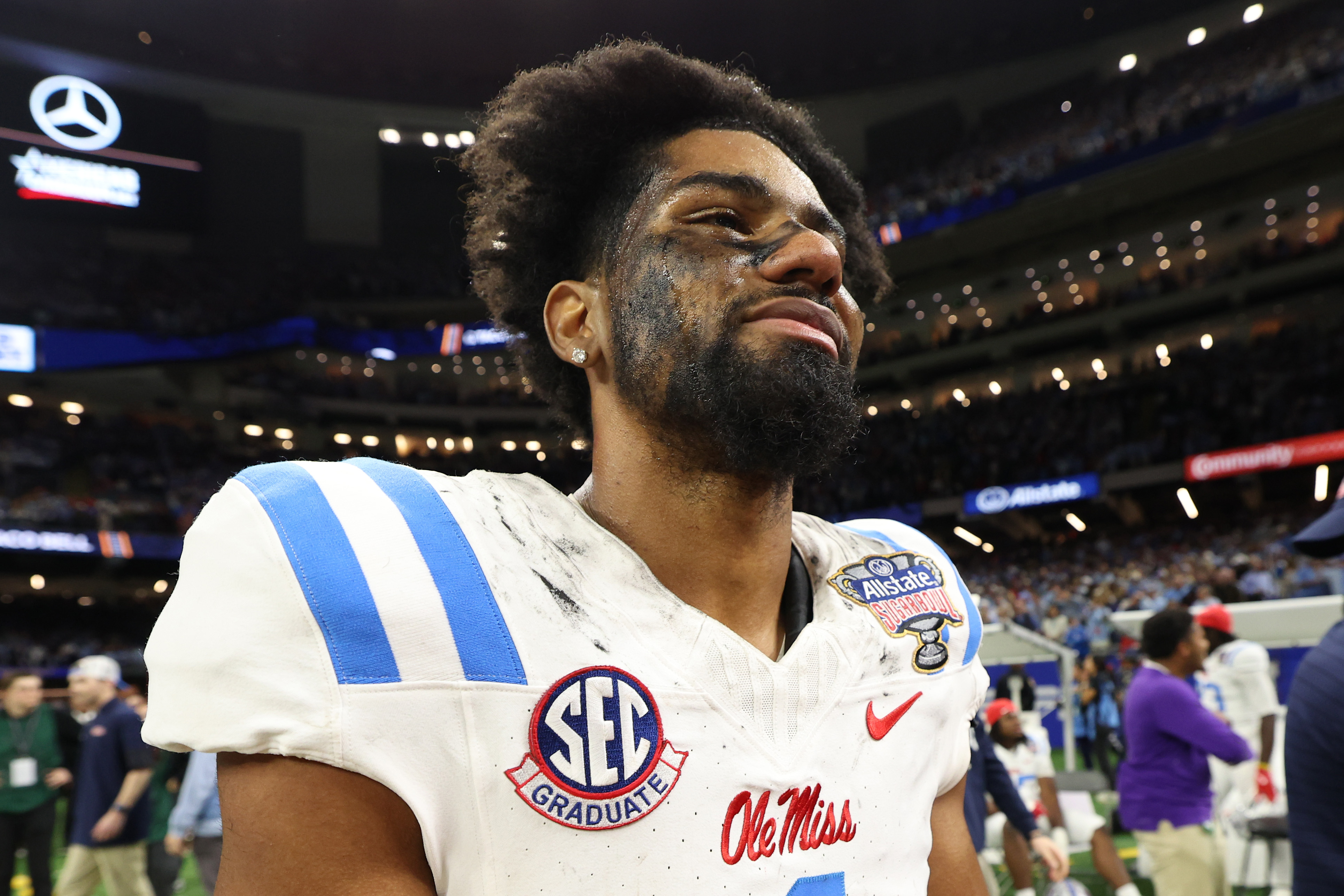
The Jets opened the 2026 NFL Draft with a controversial pick, selecting Oregon tight end Kenyon Sadiq at No. 16, a move many see as prioritizing a skill position over immediate offensive help. While Sadiq’s combine 4.39-second 40-yard dash and 51 catches for 560 yards with 8 TDs last season highlight his talent, questions remain about the value of a tight end this high and how quickly he can impact the offense. The early emphasis on defense yielded a clear positive, as the Jets later selected pass rusher David Bailey at No. 2, an acquisition praised for its potential to elevate the unit. Critics argue that investing such a premium pick on a non-elite immediate-impact position risks delaying offensive progress, especially given the Jets’ history of underdeveloped tight ends. In an effort to balance the board, New York traded back into the first round to take Omar Cooper Jr. at No. 30, though the overarching critique centers on prioritizing a playmaker who can alter games from Day 1 versus building for sustained offensive efficiency. The broader question remains whether Sadiq can justify the early-round value and become the sought-after mismatch the Jets aim to develop, or if this choice represents a missed opportunity to address other high-priority offense needs.