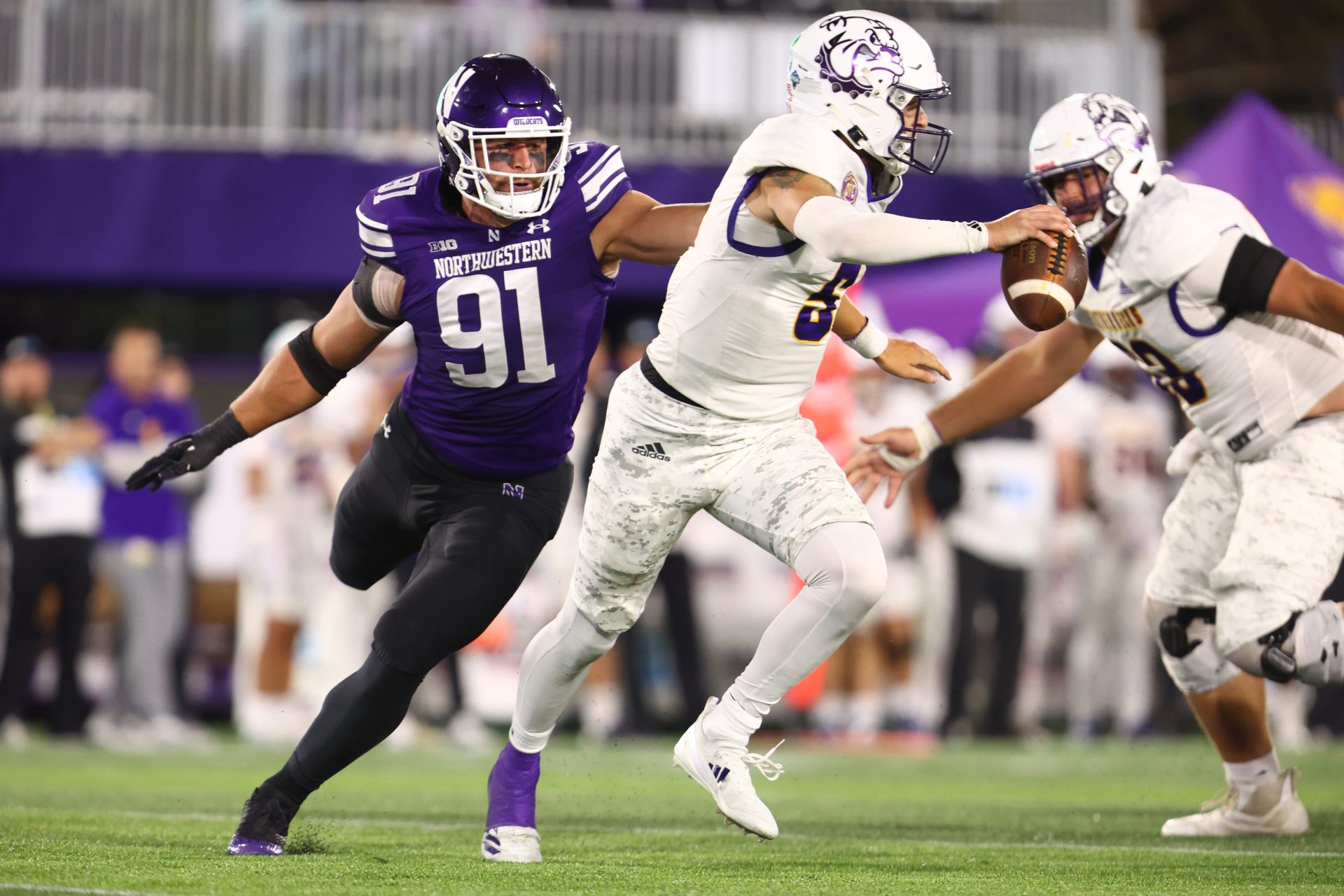
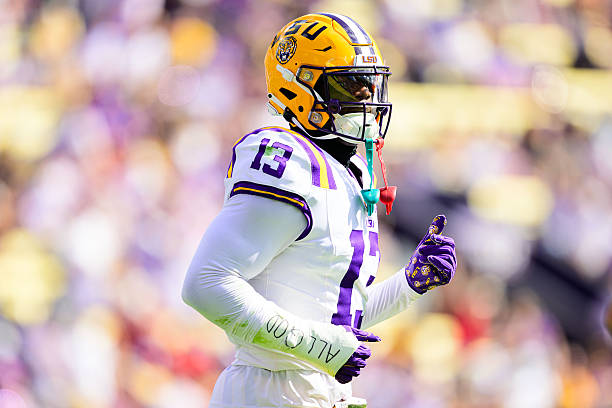
Chad Graff of The Athletic highlights a clear read around the league: the 31st pick is likely to be used on an edge rusher. He names three players repeatedly connected to New England—Malachi Lawrence (UCF), T.J. Parker (Clemson), and Cashius Howell (Texas A&M)—all of whom are edge defenders, signaling a priority on improve-the-pass-rush in the first round.
Head coach Mike Vrabel has indicated that there is no rigid rule forcing the Patriots to use the 31st pick on a specific position. He acknowledged the different dynamics of 31 versus higher spots and suggested the team is prepared to navigate potential trades to maximize value, including the possibility of someone coming in for 31 or the team choosing to stay and pick.
The broader strategy for the Patriots appears to be flexibility: they could trade back to accumulate more assets or stay put if they like the value available at 31. Vrabel’s comments imply the organization is prioritizing moves that maximize the overall quality and quantity of their draft capital.
On Day 3, Vrabel will miss the proceedings as he seeks counseling in the wake of a public controversy involving Dianna Russini. The team holds 11 total picks, eight of which are slated for Day 3, meaning a significant portion of the class will be assembled without his presence. Vrabel said he has had difficult but constructive conversations about decisions and accountability.
NFL officials have not announced any investigate action related to the Vrabel situation, and Russini is no longer with The Athletic. Despite the off-field matters, the Patriots remain focused on their draft plan, balancing potential trades with the need to fill key holes on the roster.
In summary, New England is exploring multiple routes at 31, with edge rushers at the forefront of potential first-round targets. The combination of trade scenarios, the perceived value of available players, and Vrabel’s Day 3 absence will shape the Patriots’ approach as the first round unfolds.