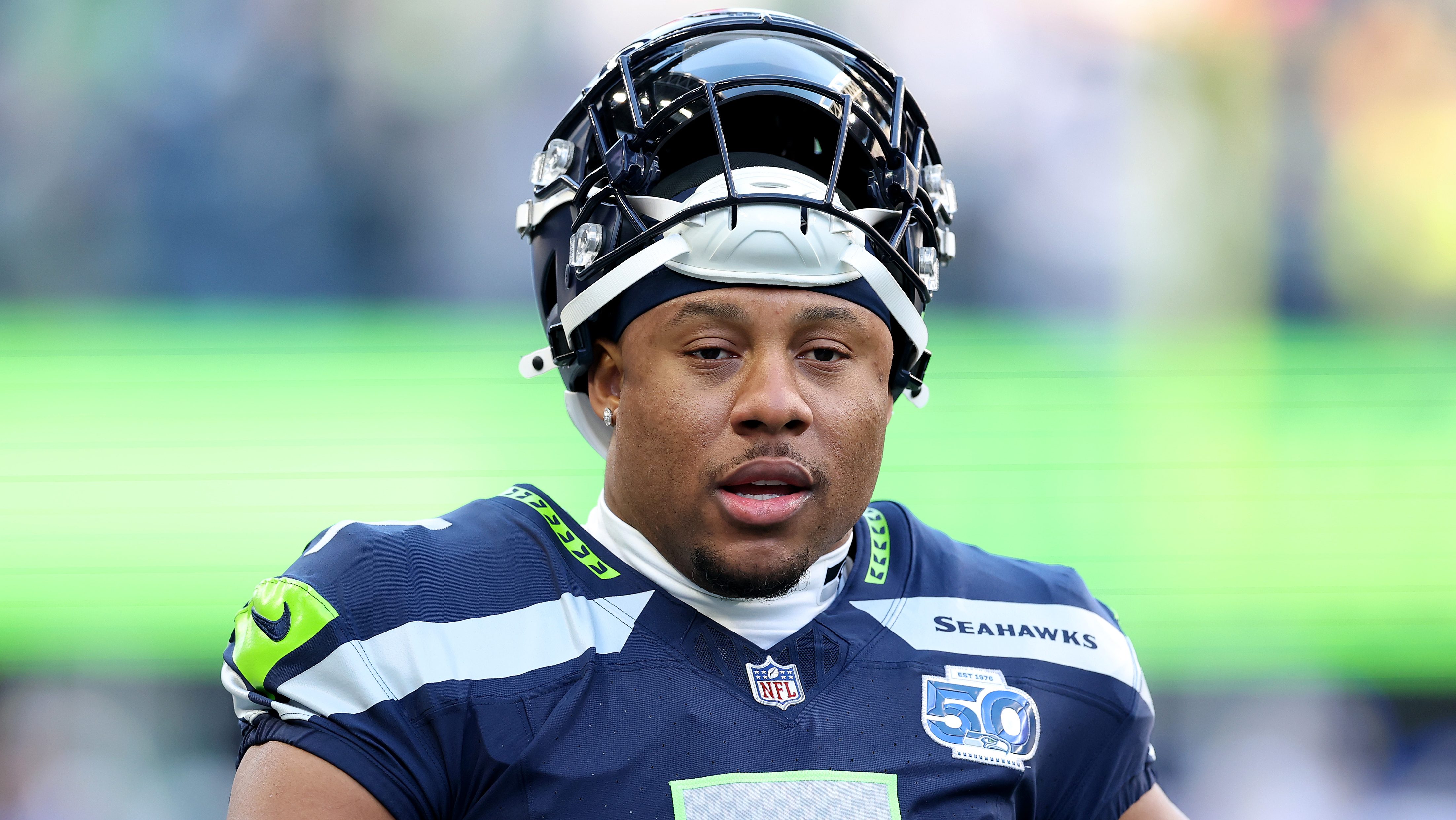
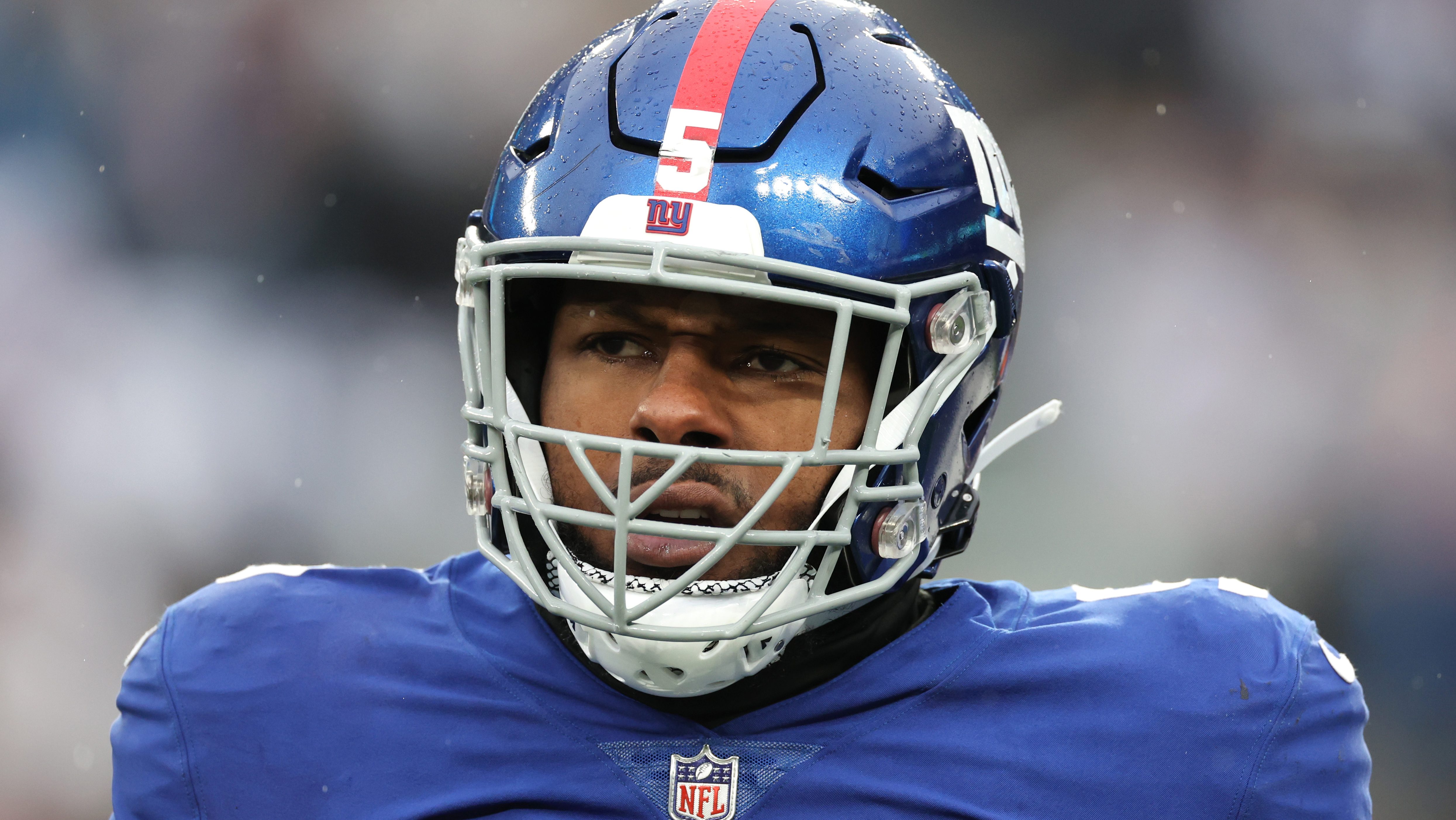
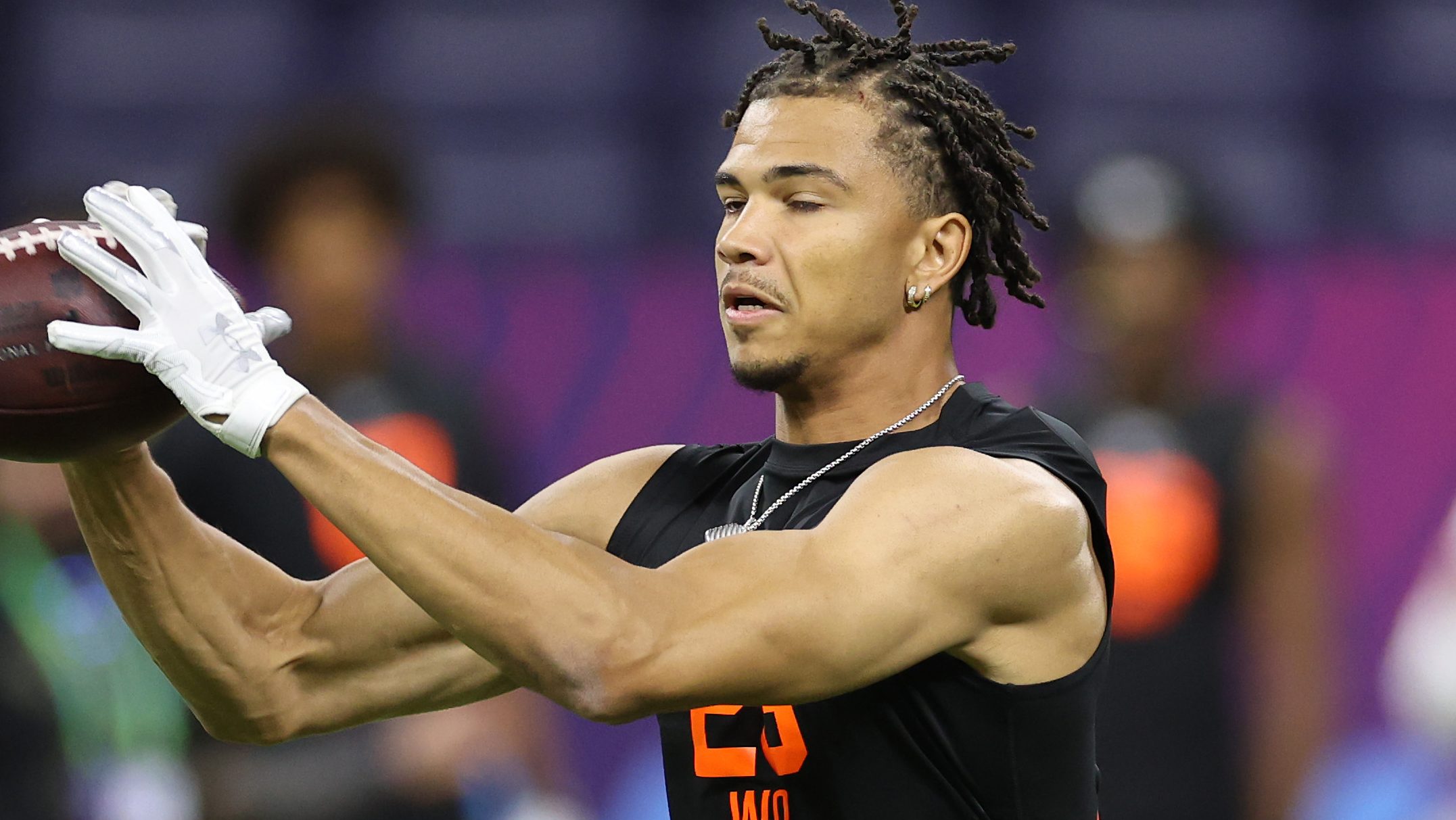
Pickens’ 2025 production underscored his value, ranking among the league leaders with 1,429 receiving yards and a career-high 93 receptions. That production is a central reason the Cowboys placed the franchise tag on him, preserving leverage as negotiations—if any—play out through the draft and into the summer.
Jones’ public message that no teams have called for Pickens could reflect a wait-and-see approach by the market, with clubs gauging draft outcomes or weighing long-term offers before wading into trade talks. If a team grows convinced Pickens fits its window, a trade or a strong offer could still materialize, otherwise Dallas would control the process through the tag or a potential offer sheet.
Analyst commentary around this stance suggests the Cowboys prefer to keep Pickens on a short-term deal rather than engage in a sizable, long-term contract. The absence of renewed talks on a long-term agreement reinforces the impression that Dallas is wary of committing big money without additional clarity from the marketplace.
The Cowboys hold significant leverage in this scenario: without outside offers, Pickens’ options are limited beyond the tag, and Dallas could press for a repeat of the current arrangement next offseason. However, a strong 2026 season by Pickens could shift demand in his favor, potentially altering the bargaining dynamics once more.
For now, the situation remains fluid as the franchise tag deadline and summer workouts approach. The Cowboys’ stance, Pickens’ conditioning and performance, and any draft-day developments will likely determine whether Dallas preserves the tag, pursues a short-term extension, or revisits long-term talks later in the offseason.