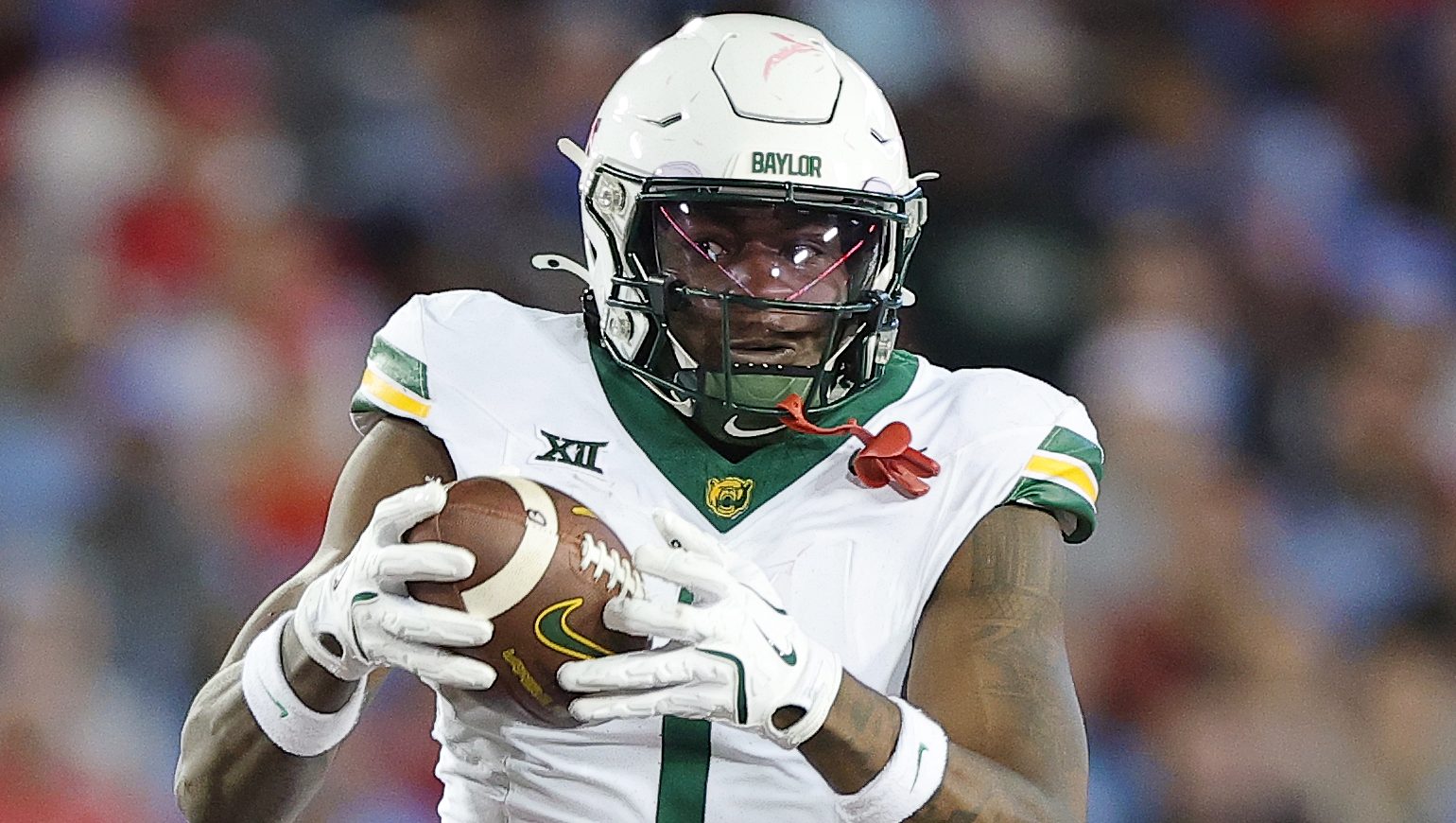
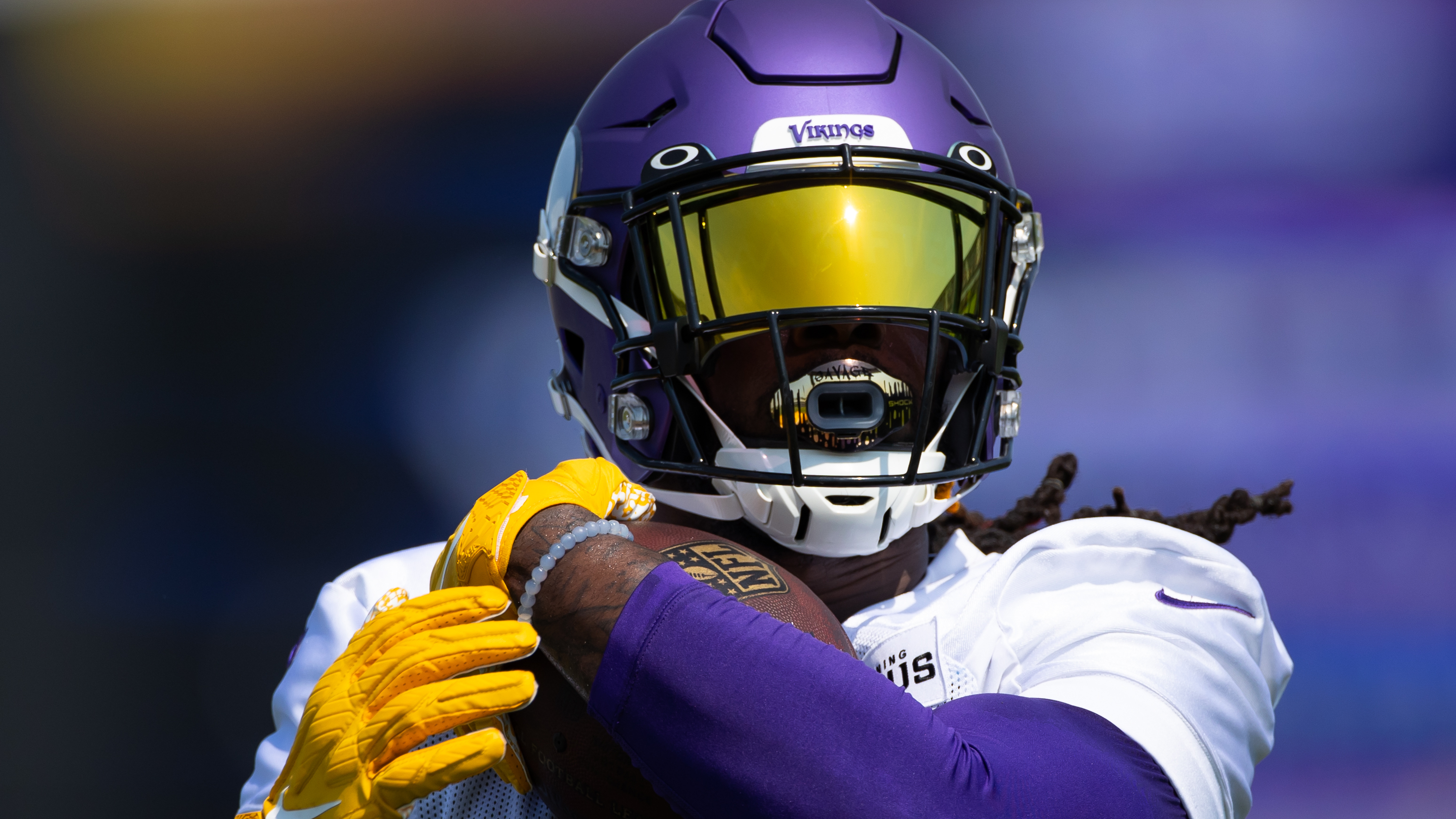
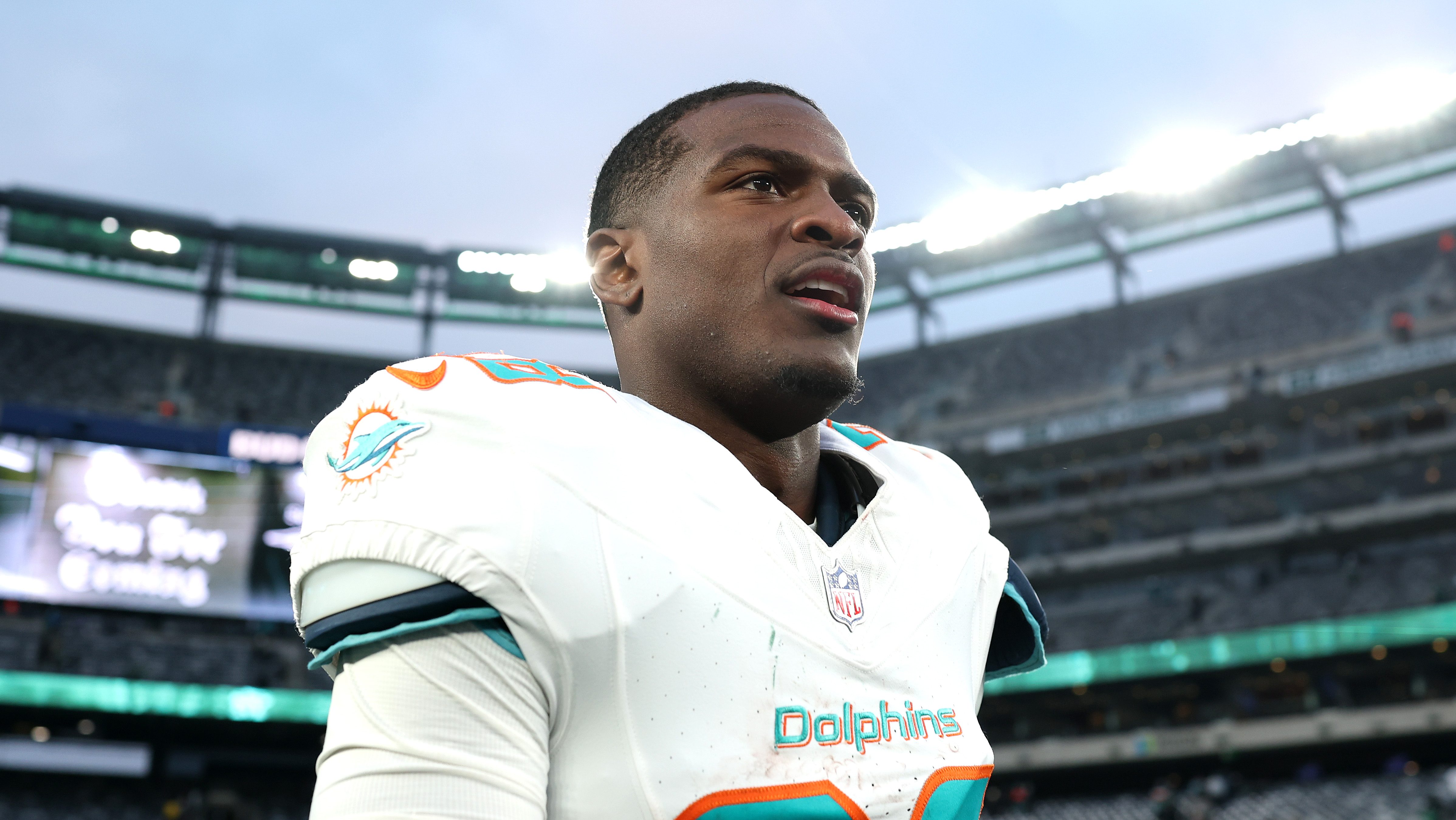
The trade has drawn scrutiny as Moore’s production has slipped in recent seasons. In 2024 he averaged a career-worst 9.9 yards per catch, with 50 receptions for 682 yards last year, prompting questions about whether his decline is systemic or a new-era cliff.
NFL.com analyst Kevin Patra graded the deal a B-minus, noting the move was largely a necessity given the Bills’ cap constraints and limited avenues to upgrade the wide receiver group. He added that Moore should immediately help quarterback Josh Allen, but raised concerns about whether the 29-year-old can sustain past performance levels.
Patra also highlighted Moore’s age as a potential risk factor, suggesting uncertainty over whether the decline is tied to the offense or a broader trend that could continue. The Bills are counting on Moore returning to form and helping the offense without relying on Khalil Shakir to take a leap.
Beyond Moore, Bills observers expect the team to continue reshaping their wide receiver room. They’ve been connected to a potential Brandon Aiyuk trade from the San Francisco 49ers, though the 49ers’ GM recently noted a trade before the draft is unlikely, leaving the door open but not wide open.
Buffalo has also shown interest in veteran options, including a potential return by Brandin Cooks, who finished the season strong after joining late in the year. Reports indicate the Bills remain in contact with Cooks regarding a possible reunion.
Overall, Buffalo appears committed to augmenting a wide receiver corps that still has questions after the Moore move. While the addition could stabilize the unit, the Bills will likely rely on a combination of further trades, free-agent moves, and draft selections to fully bolster their pass-catching options for 2026.