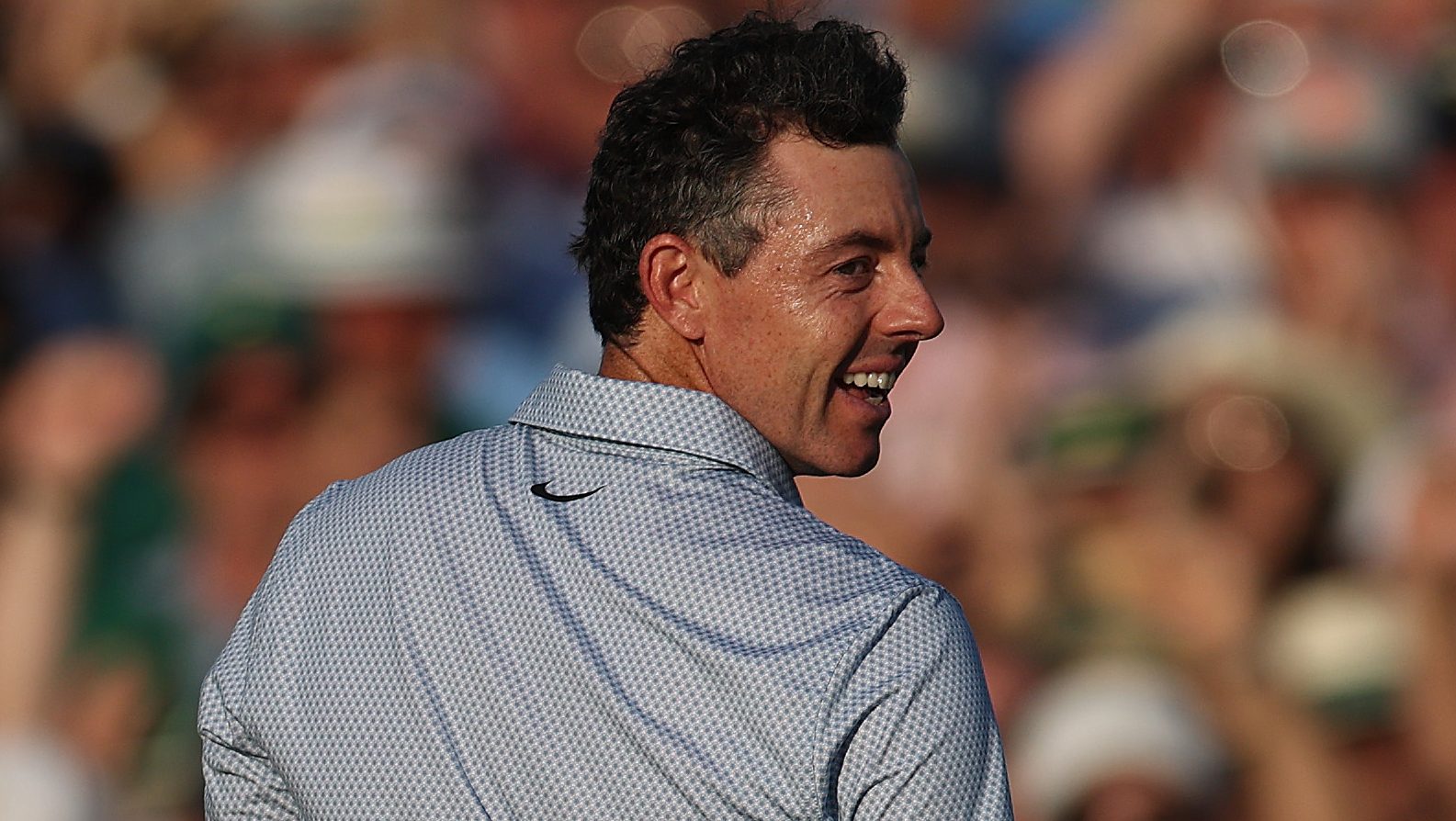
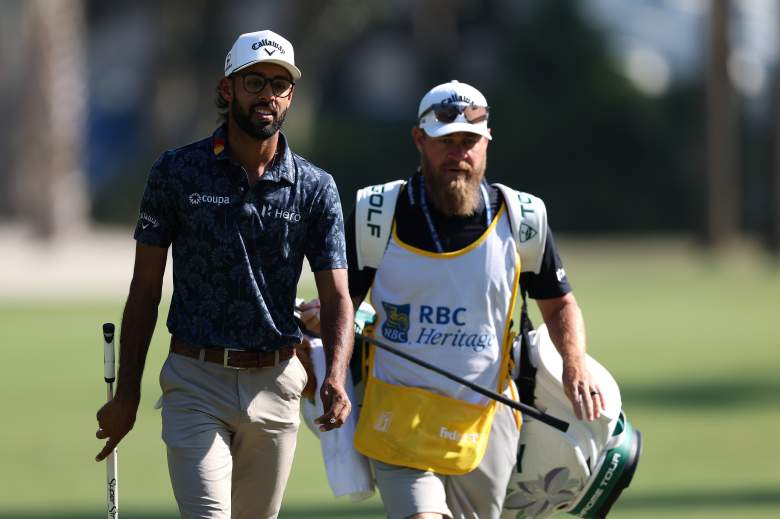
Smith stressed that his take centers on true physical demand, not talent or skill. He acknowledged golfers are highly skilled but contended they do not meet his definition of an athlete, suggesting that simply being able to walk the course isn’t enough to earn that label.
While not aiming to diminish golfers’ abilities, Smith framed the distinction as a matter of athleticism versus craft. He questioned whether walking and endurance alone should define Olympic-worthy athletic status, arguing that skill and precision in golf don’t automatically translate to athletic classification.
The piece also notes what golf actually demands at the professional level. Players cover miles across varying terrain and weather while maintaining focus across four rounds. Modern golfers train with structured fitness programs to improve mobility, stability, and strength, underscoring that the sport’s physical demands are real, even if they differ from more overtly athletic disciplines.
Tiger Woods was referenced as a potential exception in Smith’s view. While Woods’ conditioning might place him closer to an athletic frame, Smith suggested that the distinction could hinge on the sport’s demands versus a golfer’s personal conditioning, a nuance likely to fuel ongoing debate.
Ultimately, Smith’s comments touch a broader, long-running question: what truly defines an athlete? Golf sits in a nuanced middle ground within this debate, and Smith’s position highlights how definitions in sports can diverge—leaving the discussion to continue among fans, players, and analysts.