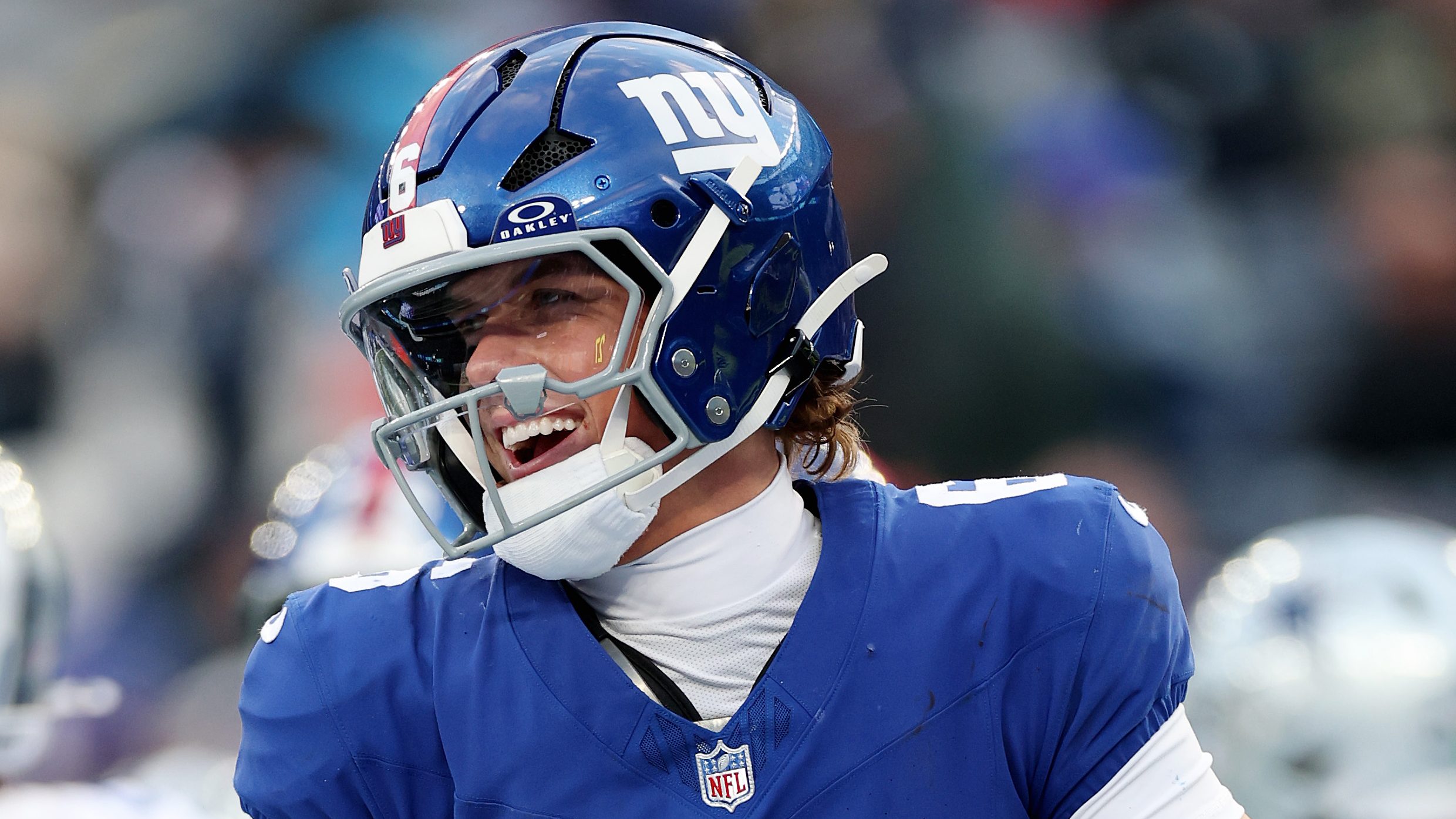
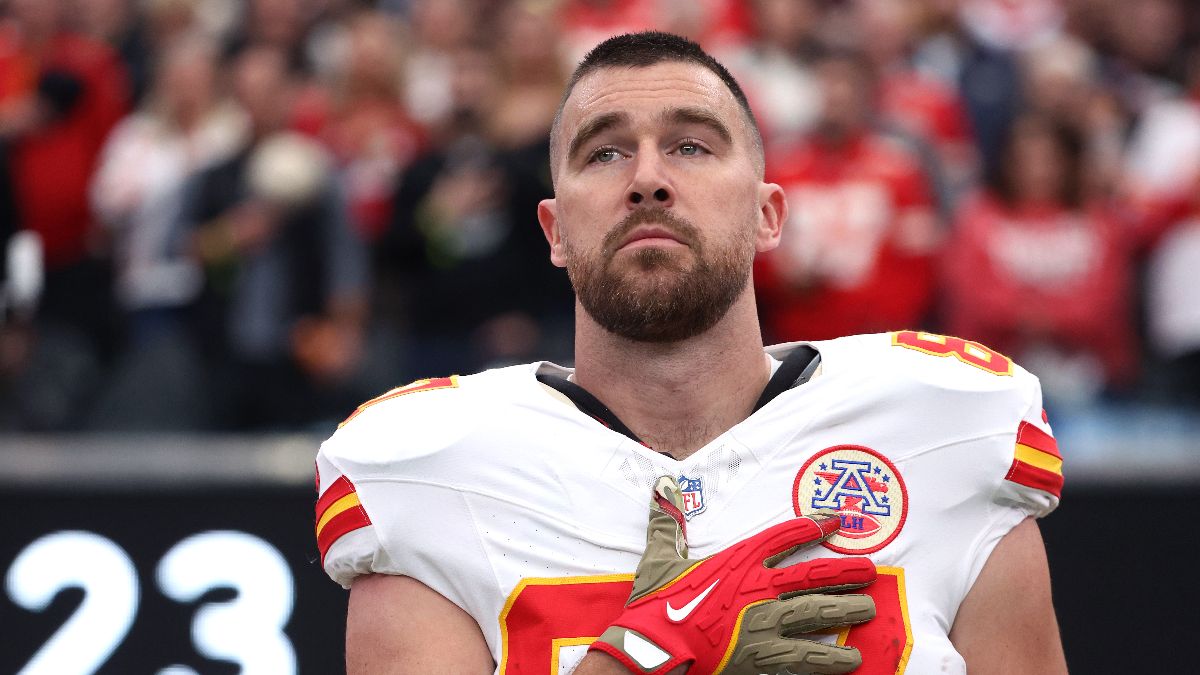
The trade isn’t anticipated to close before this week’s NFL Draft and is tracking to happen on or after June 1 due to financial rules. Moving Brown earlier would create a large dead-cap hit against the 2026 cap, while delaying the deal helps spread the cost. New England would enter the post-draft window with about $35.7 million in cap space to absorb Brown’s contract through 2029.
Regarding compensation, a future first-round pick is widely expected to anchor the package, though some observers consider a second-round pick a possible ceiling. There is no mechanism to designate a post-June 1 trade differently for the purposes of cap accounting, making the timing a meaningful factor in the negotiations.
Brown’s production over the past three seasons has made him one of the league’s most prolific first-down receivers, a reality that could accelerate Maye’s development as a pro quarterback. In discussions about the deal, analysts highlighted Brown’s ability to generate reliable gains and how that would bolster a Patriots offense looking to grow under Maye.
The fit matters, as the incoming offensive approach—leaning toward multiple-tight-end sets—could influence how Brown is utilized. His strengths as a dynamic, separating receiver would align well with an offense that can spread targets and create favorable matchups in the middle and downfield.
Brown posted 78 catches for 1,003 yards and seven touchdowns in 2025 and turns 29 this June. He reportedly has strong ties to the franchise’s fanbase and has prior familiarity with some members of the organization, factors that could ease his transition to New England.
With the draft behind them and June 1 approaching, the Patriots’ plan centers on finalizing the trade and integrating Brown into the offense while maintaining cap flexibility. If completed, Brown would immediately enhance the receiving corps and potentially elevate Maye’s development and the team’s championship outlook.