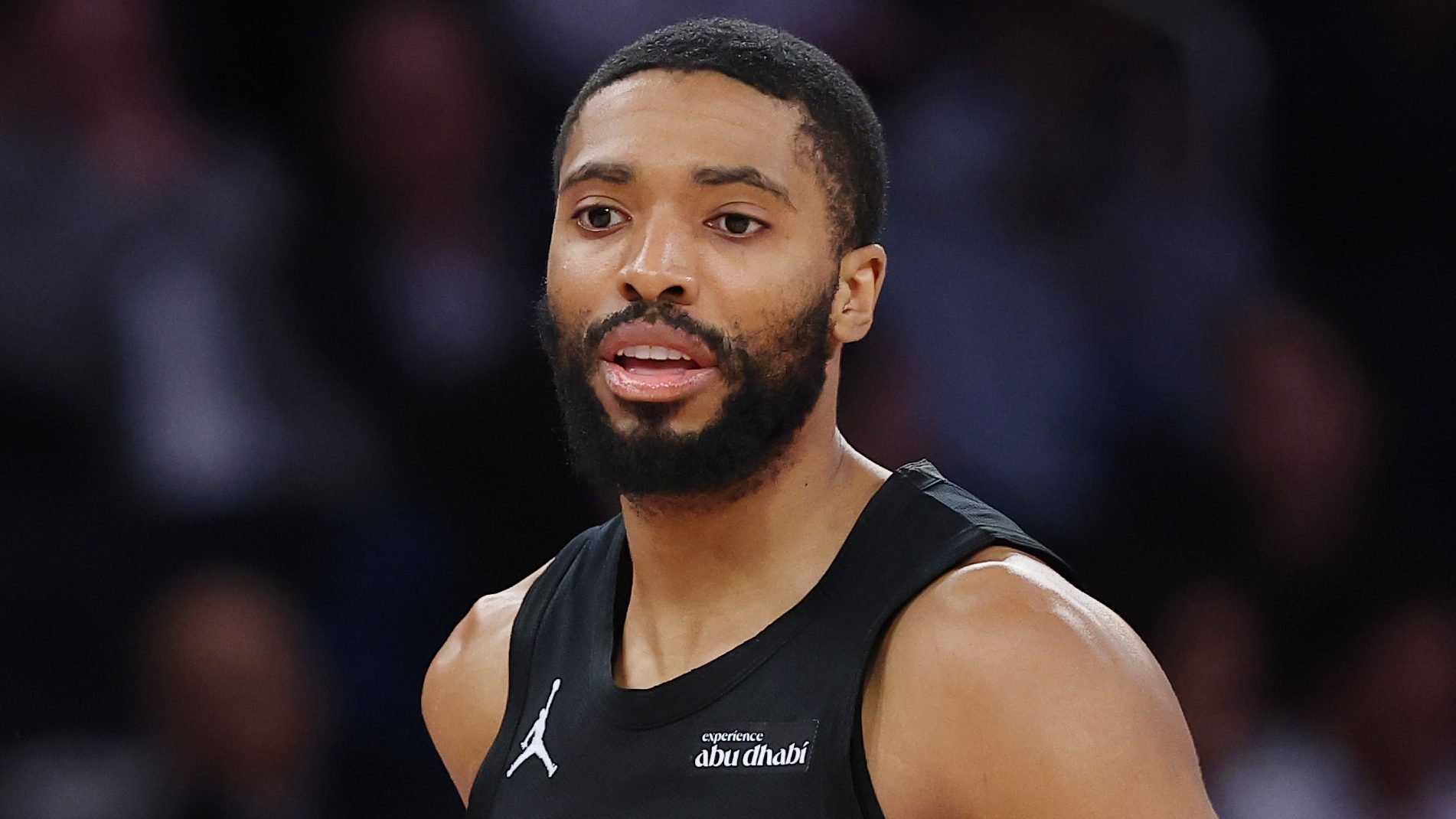
Durant sat out Game 1 with a right knee contusion. He went through about half of Monday’s practice and is listed as a game-time decision, with imaging showing no structural damage. The key question for Houston is whether he can move freely and handle playoff tempo.
A team doctor underscored the core challenge: the speed of the game and the repetition of jumping. Returning too soon could aggravate the bone contusion, making Durant’s impact on both ends more limited than usual and turning his availability into a performance question rather than a simple yes-or-no call.
Durant’s absence was keenly felt. In his first season with the Rockets, he averaged 26.0 points, 5.5 rebounds, and 4.8 assists, and Game 1 lacked his shooting and floor spacing. Houston shot 37.6% from the field while attempting 27 more shots than the Lakers, illustrating the offensive gaps created by Durant’s absence and the reliance on isolations.
If Durant plays, the Rockets would benefit from his scoring touch and floor balance, which would help alleviate the Lakers’ focus on Sengun and open up better offensive rhythm. His presence could restore Houston’s spacing and give the team more reliable downhill options than the iso-heavy attack in Game 1.
If Durant sits again, Houston must tighten off-ball movement and floor spacing, improve post positioning for Sengun, and avoid reliance on contested shots near the rim. The Rockets would need a coordinated, patient approach to avoid slipping into a 0-2 deficit and to generate easier looks without Durant’s shot-making.
The decision on Durant’s Game 2 status remains pending, with the Rockets preparing for either scenario and hoping for clarity ahead of tip-off. Updates will continue to shape Houston’s game plan and the team’s playoff outlook.