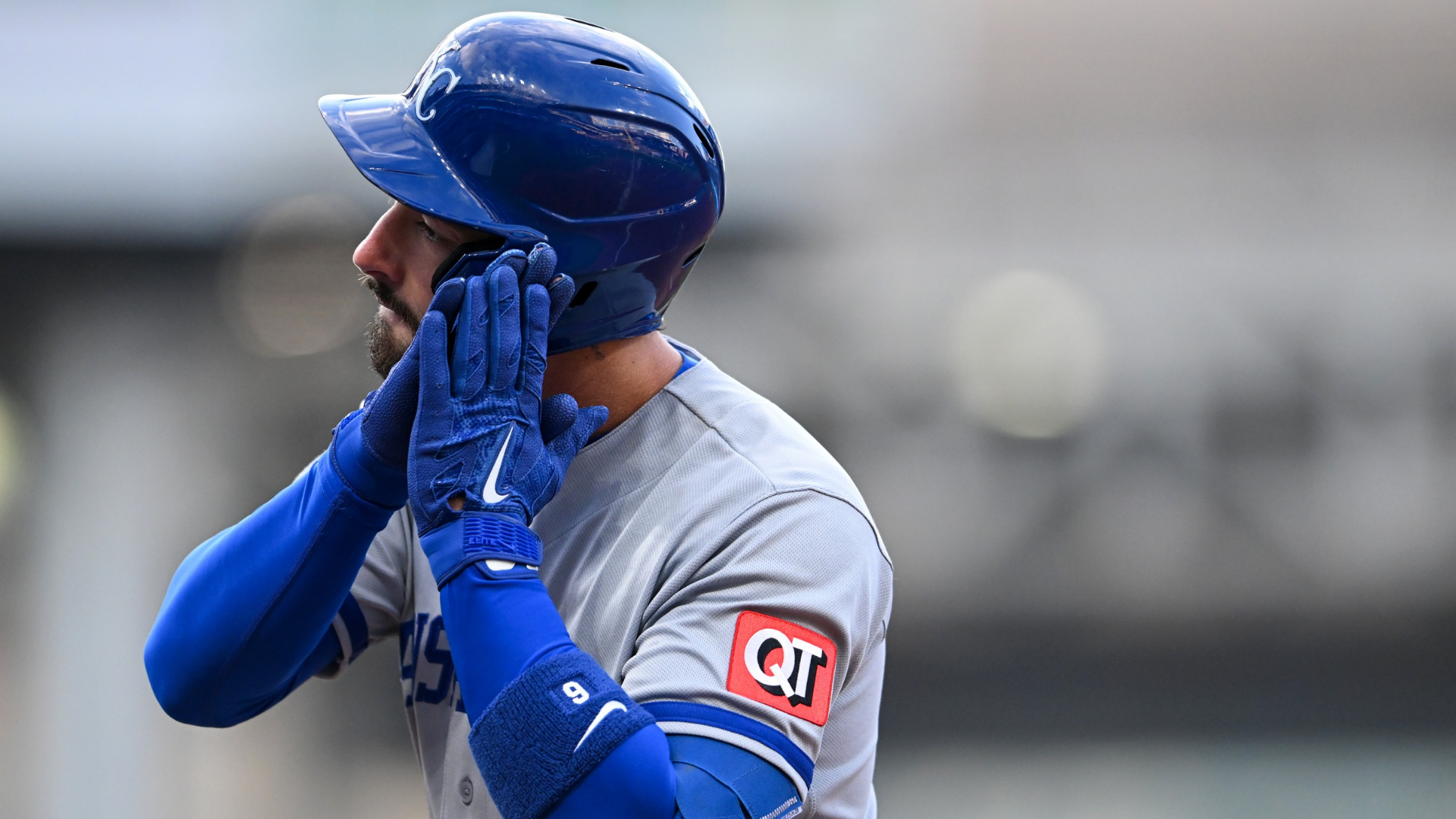
This isn’t a routine April slump for a veteran trying to settle in. It’s a pressure-filled scenario where Grichuk, aware of Volpe’s imminent arrival, is fighting not just to prove he belongs but to justify a role on a roster that needs immediate impact, not potential upside.
The decision looms as Grichuk’s best-case path to staying in New York depends on production, not just opportunity. The Yankees’ roster options — including José Caballero’s speed and defensive flexibility, and J.C. Escarra in a more specialized depth capacity — complicate a straightforward keep-or-cut choice, yet the math keeps circling back to Grichuk.
Statcast data show the problem isn’t a total bat collapse, but a high strikeout rate that undermines his upside. A strikeout rate north of 36 percent dampens the value of even hard contact in a role built on matchup-driven offense, making it harder for Grichuk to justify a steady spot without sustained production.
Beyond the numbers, the broader context matters: the Yankees are prioritizing certainty, versatility, and immediate impact over development or luxury depth. Grichuk has spoken glowingly about the clubhouse and coaching staff, but timing and results drive roster decisions, and his window to prove himself is shrinking with Volpe back in the mix.
If Grichuk can deliver a offensive burst when given at-bats, the Yankees could reconsider. Without that production, he risks becoming the cleanest casualty of Volpe’s return. And while his bat profile could attract interest from other clubs as a buy-low option, for now the Yankees need functional value more than potential upside.