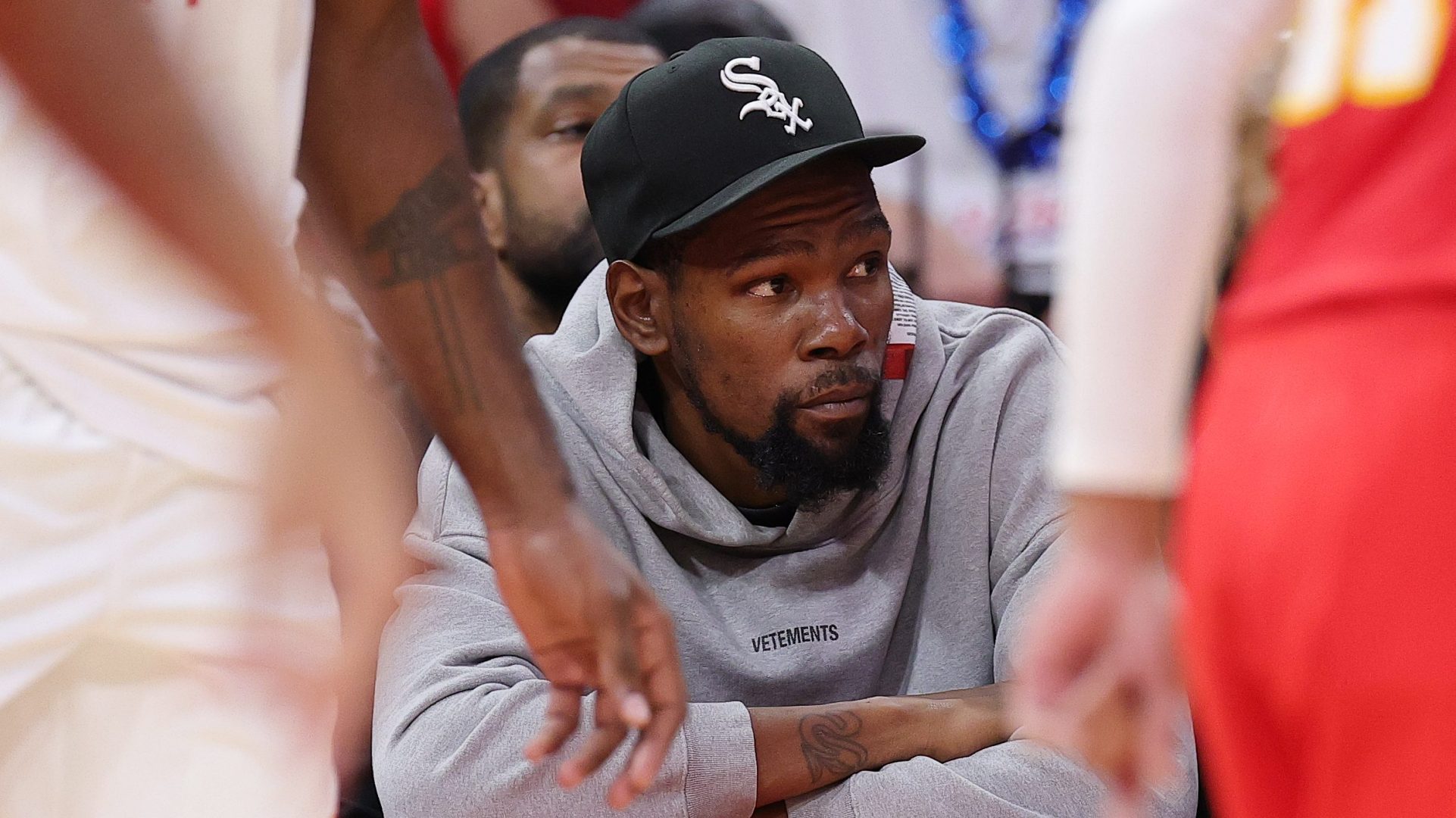
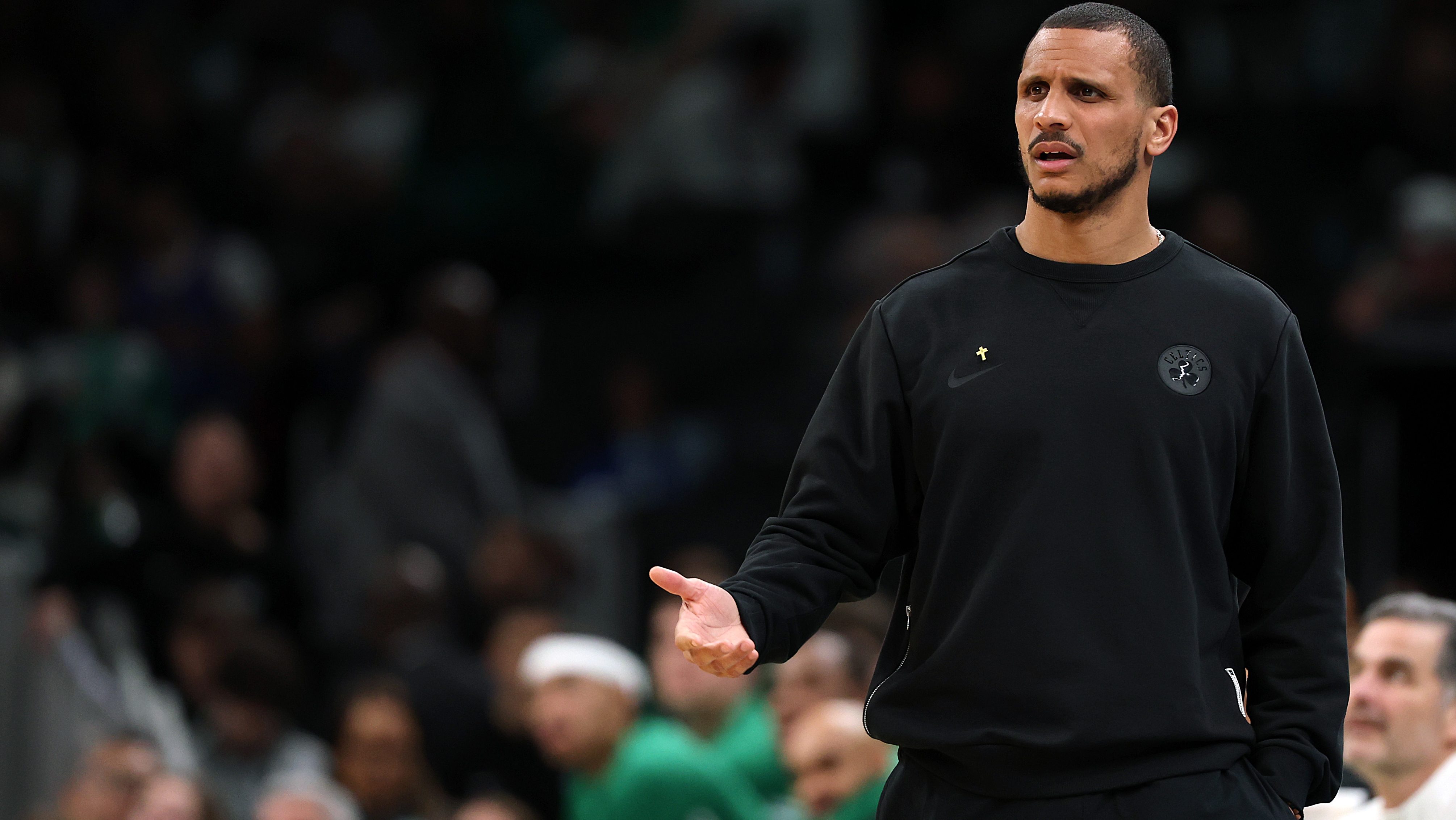
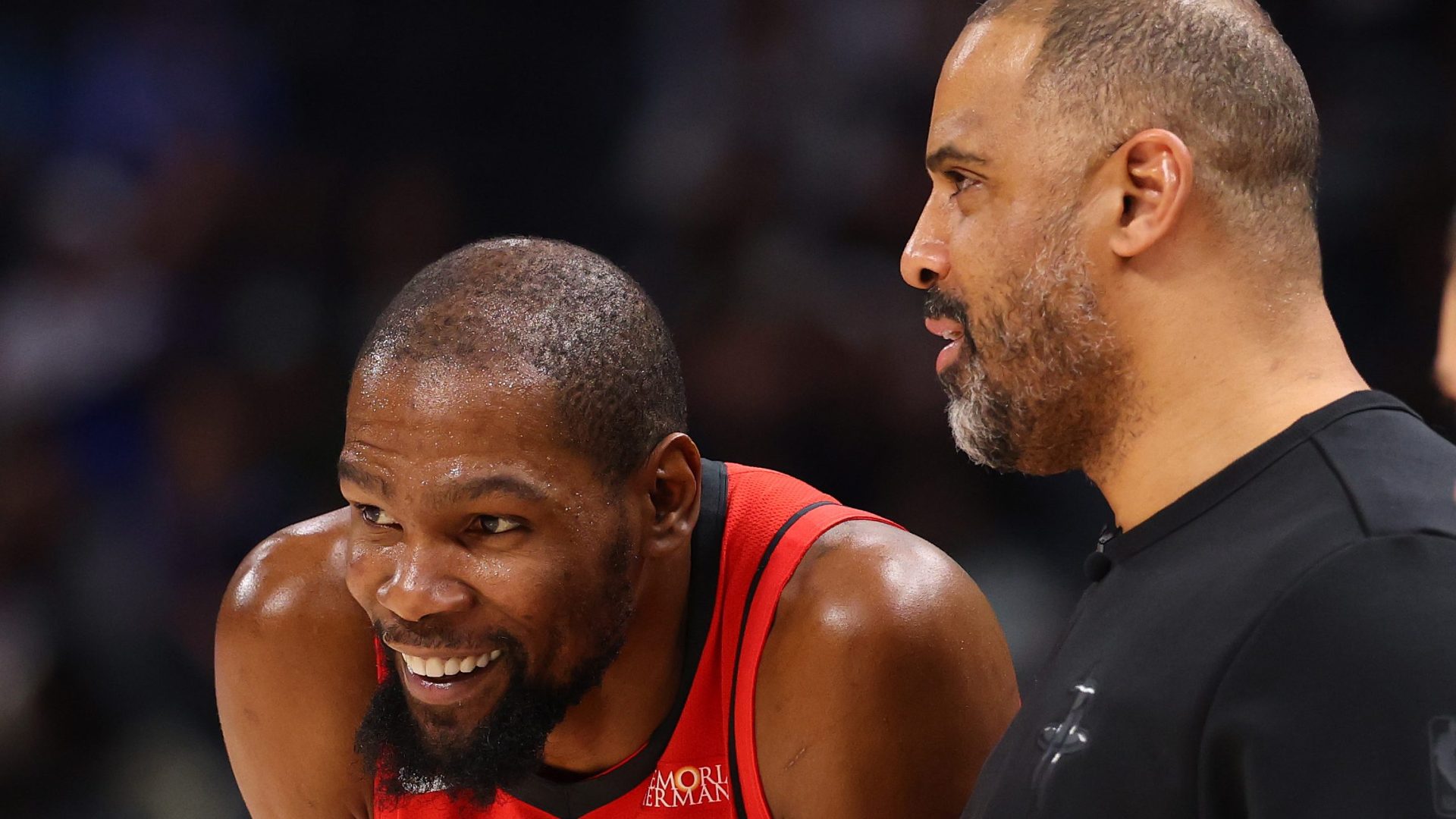
Analyst Paul Pierce offered a view that Houston may have weighed a short-term loss in Durant against the rest of its depth, suggesting the Rockets believed they could survive one game without him and still beat Los Angeles. He framed the decision as a strategic bet on their talent edge and the potential to reset for Game 2 if Durant plays.
Luka Dončić and Austin Reaves were also sidelined for the Lakers early in the series, with Dončić’s hamstring issue noted as a key factor. If Dončić returns, Los Angeles would face a different matchup, potentially forcing Houston to adjust its game plan. The dynamic is simple: the team’s success may hinge on who gets healthy first.
In Game 1, the Lakers used Durant’s absence to pull ahead, defeating the Rockets 107-98 as LeBron James facilitated with 19 points and 13 assists, and Luke Kennard came off the bench for a 27-point burst to carry the offense early. Houston’s plan to develop depth without Durant faced its first real test in a playoff setting.
The decision to rest Durant carries risk, reflecting a common playoff gamble: trust your depth enough to win one game now while preserving your star for a deeper push. If Durant returns, Houston’s approach in this series could shift, while Los Angeles will weigh the impact of Dončić’s status on their own rotation and pacing.
Looking ahead to Game 2, the series remains wide open as both sides weigh health and timing. Durant’s availability and Dončić’s return will likely shape the Rockets’ and Lakers’ strategies, with the winner potentially gaining momentum as the matchup moves forward.