Offense has been the Mets’ most persistent problem. The club is batting .226 with only 16 home runs and a .336 slugging percentage, leaving little margin for error and limiting their ability to manufacture runs. That lack of power and consistency has left New York short of the momentum needed to overcome early-season struggles.
On the mound, Nolan McLean has been a bright spot for Minnesota and a focal point for the Mets’ scouting of the Twins series. McLean sports a 2.13 ERA and offers six different pitches to generate outs, making him the expected stopper in the three-game set. The Mets, however, have scored just 71 runs in 22 games, underscoring how run support continues to lag even when solid pitching shows up.
The upcoming homestand—three games each against the Minnesota Twins, Colorado Rockies, and Washington Nationals—has been described as the nine games that could define a season. Social-media chatter and expert commentary alike suggest that anything near a 4-5 record or worse could push the Mets toward a made-or-break moment for 2026.
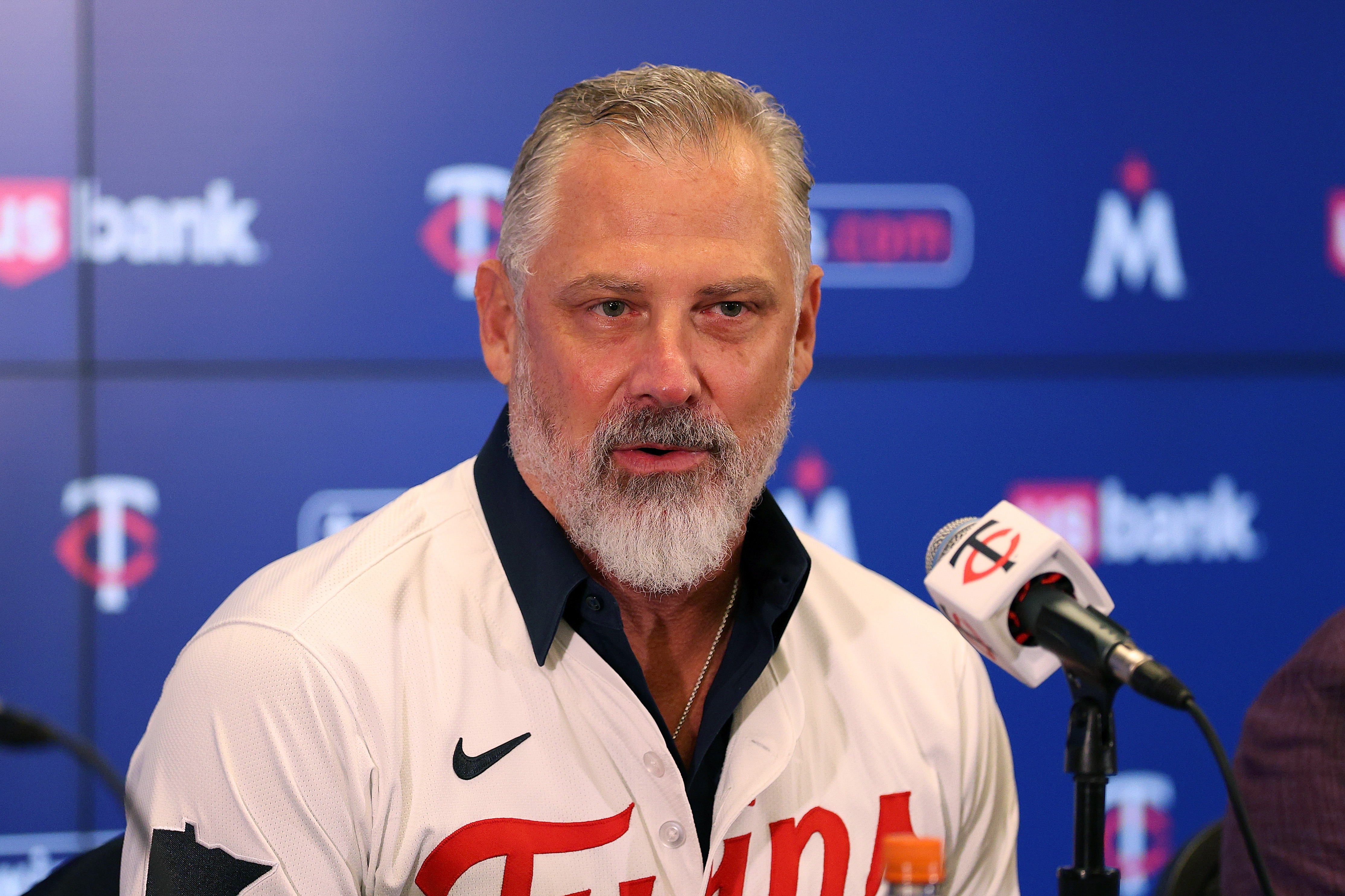
Minnesota arrives on a modest streak but remains an on-base machine, ranking high in the league with a .332 on-base percentage and eight sacrifice flies. Derek Shelton’s club leans into small-ball principles, a strategic edge that could test a Mets lineup built around doubles and occasional power rather than sustained on-base pressure.
Beyond the field, fans and media pressure are mounting. With payroll commitments and leadership in place, the Mets’ next stretch is framed as a decisive period for both the team’s immediate standing and the long-term direction under President of Baseball Operations David Stearns and owner Steve Cohen. The next nine games will signal whether New York can climb back toward .500 or if the season slips further out of reach, as discussions about managerial and organizational responses intensify.