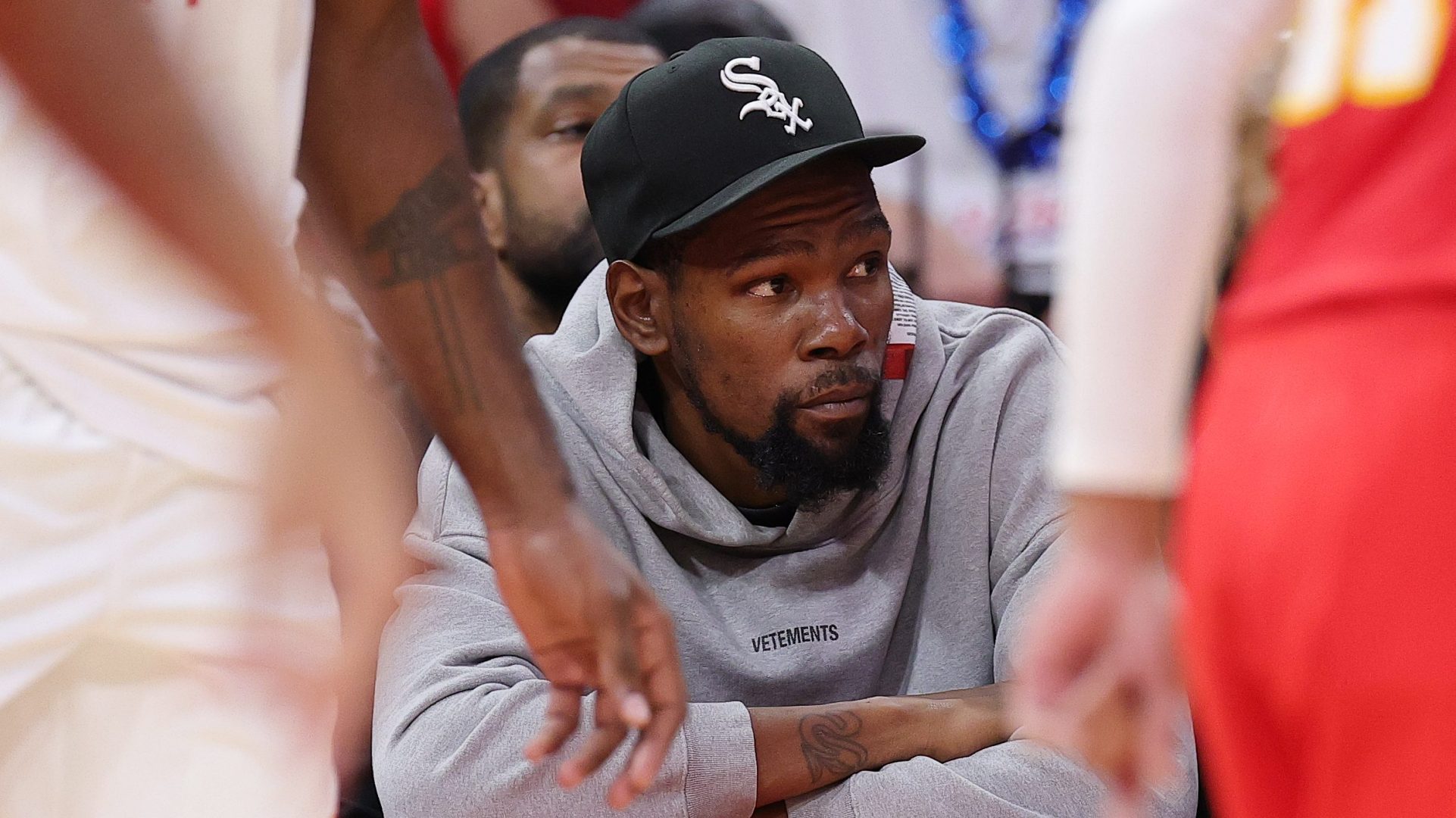
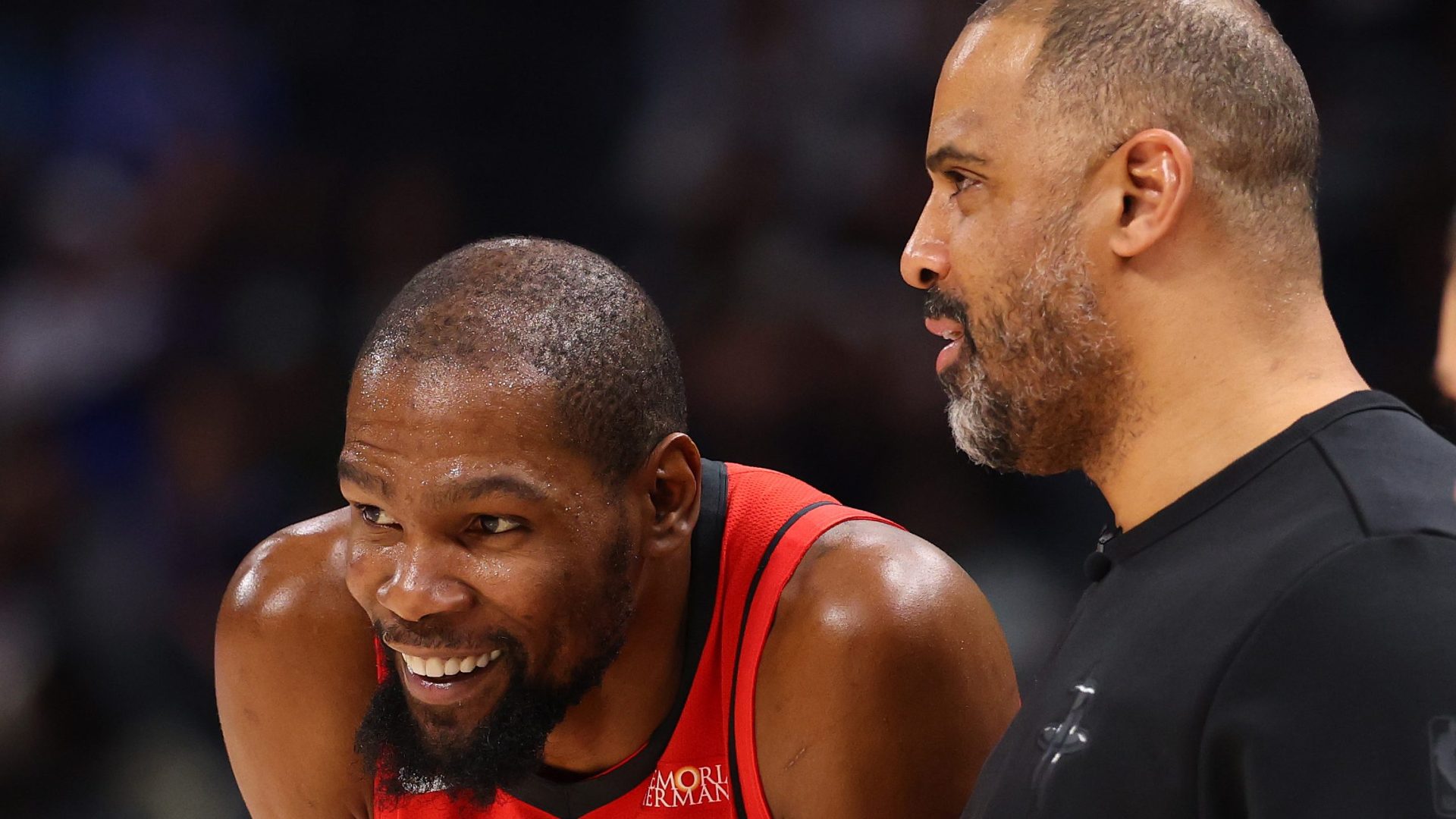
Analyst Brian Windhorst framed Durant’s absence as more than a routine playoff note, suggesting it changes how the series plays out. He argued that Durant’s willingness or ability to play would normally be a given, so any doubt about his health elevates the Rockets’ uncertainty and simultaneously elevates the Lakers’ leverage in the immediate term.
Durant suffered a knee contusion during prep for the series, and Houston initially listed him as questionable before ruling him out for the opener. The late scratch signaled that this was not a minor issue Durant could just push through, and the development alters how each team approaches the rest of the series.
In Game 1, the Lakers beat the Rockets 107-98. LeBron James controlled the contest with 19 points and 13 assists, while Luke Kennard contributed 27 points. Houston struggled offensively without Durant, especially in the half court, and no Rockets player exceeded 19 points as their efficiency dipped.
From a Lakers perspective, the absence of Durant removes a trusted pressure-release option for Houston and narrows the Rockets’ offensive options. If James continues to dictate tempo and Los Angeles gets sufficient shooting around him, the Lakers could leverage this opening to press the series in their favor.
Overall, the Durant injury development has produced a pivotal early-season moment in the series. With Game 2 approaching, the Lakers have an opportunity to capitalize on Durant’s absence, turning a health update into a genuine strategic advantage rather than a routine update.