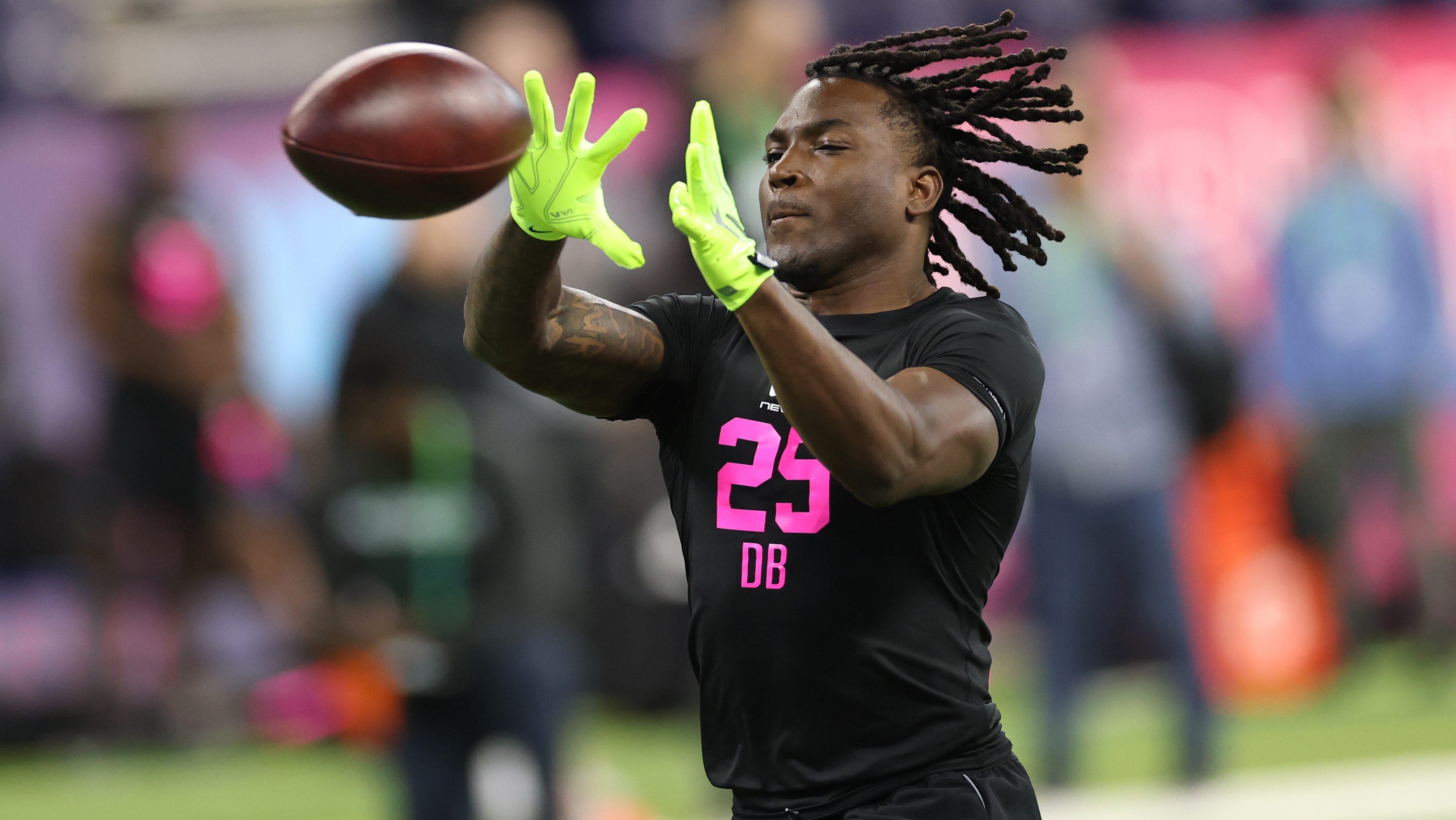
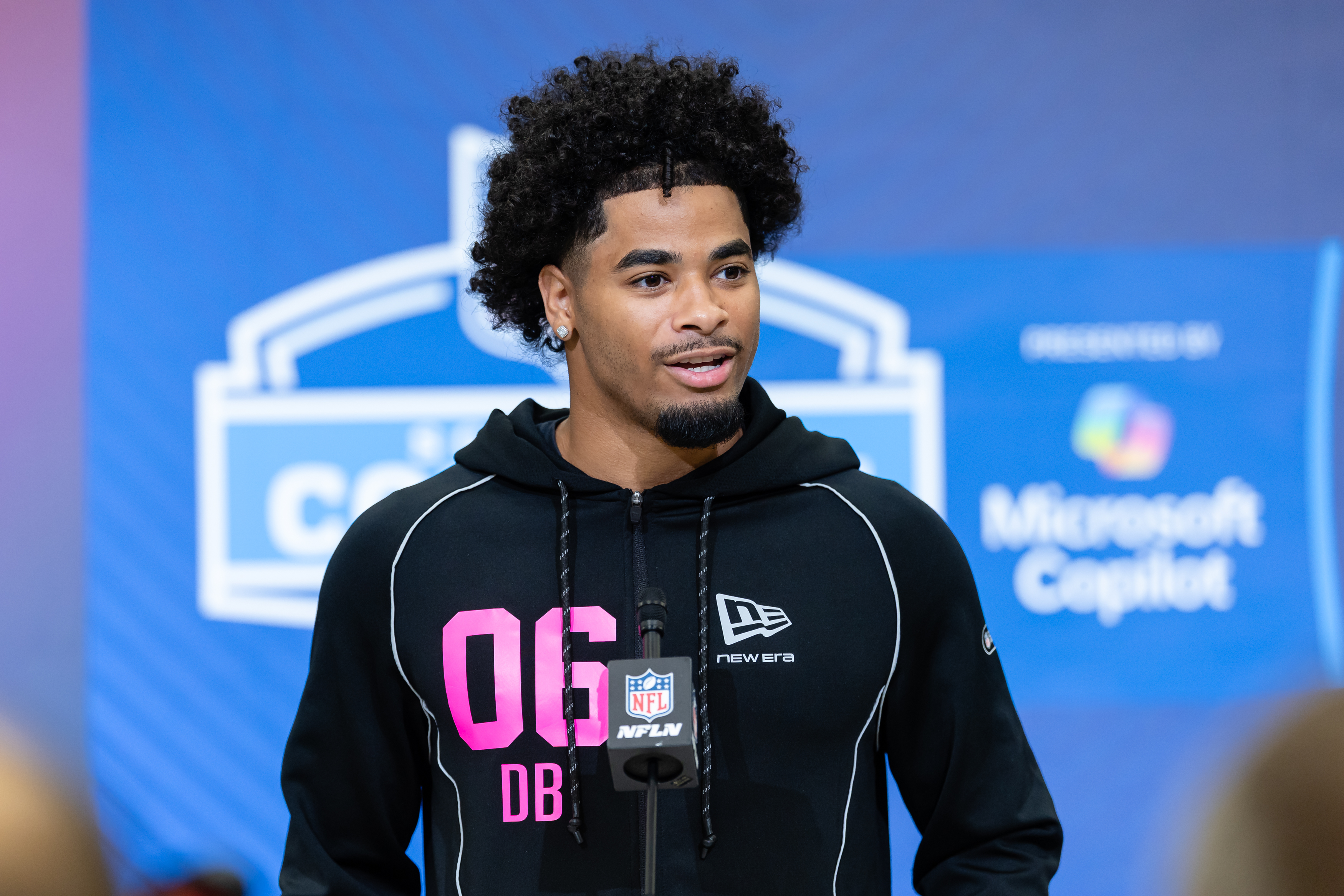
General manager Howie Roseman has built a reputation for aggressively adding quarterbacks, and this offseason already included upgrading the depth chart with Dalton while continuing to develop McKee. The Eagles’ apparent focus on signal-caller versatility fits a broader strategy of stockpiling options behind Hurts.
Payton posted strong numbers in college, sequencing a 71.2 percent completion rate for 2,719 yards, 16 touchdowns and four interceptions as a senior, along with 2,069 rushing yards and 31 rushing scores for his career. He ran a 4.56-second 40-yard dash, showcases a rare blend of size and mobility for a quarterback prospect.
NFL evaluators view Payton as a raw but intriguing project who could thrive with the right development in Philadelphia. He’s noted for his running ability and pocket presence despite limited starting experience, and projections typically place him as a Day 3 or late-round pick who would need packaged plays to leverage his rushing threat.
Philadelphia’s potential interest is amplified by the team’s history with North Dakota State quarterbacks, including a previous front-office move that involved trading up to acquire Carson Wentz. Payton could fit as a QB3 behind Dalton, offering a developmental option without forcing him into a immediate starter role.
In draft rankings, Payton is widely viewed as a mid-to-late-round prospect, with some evaluators placing him in the fourth or fifth round. The Eagles could see value in adding a long-term developmental passer who could be groomed behind the current veterans while McKee’s contract situation unfolds.
Overall, Roseman’s track record suggests the Eagles will continue prioritizing quarterback depth. If Payton is part of the plan, he would join a room that emphasizes versatility and development, aiming to keep the team well-stocked at the most important position for sustained success.