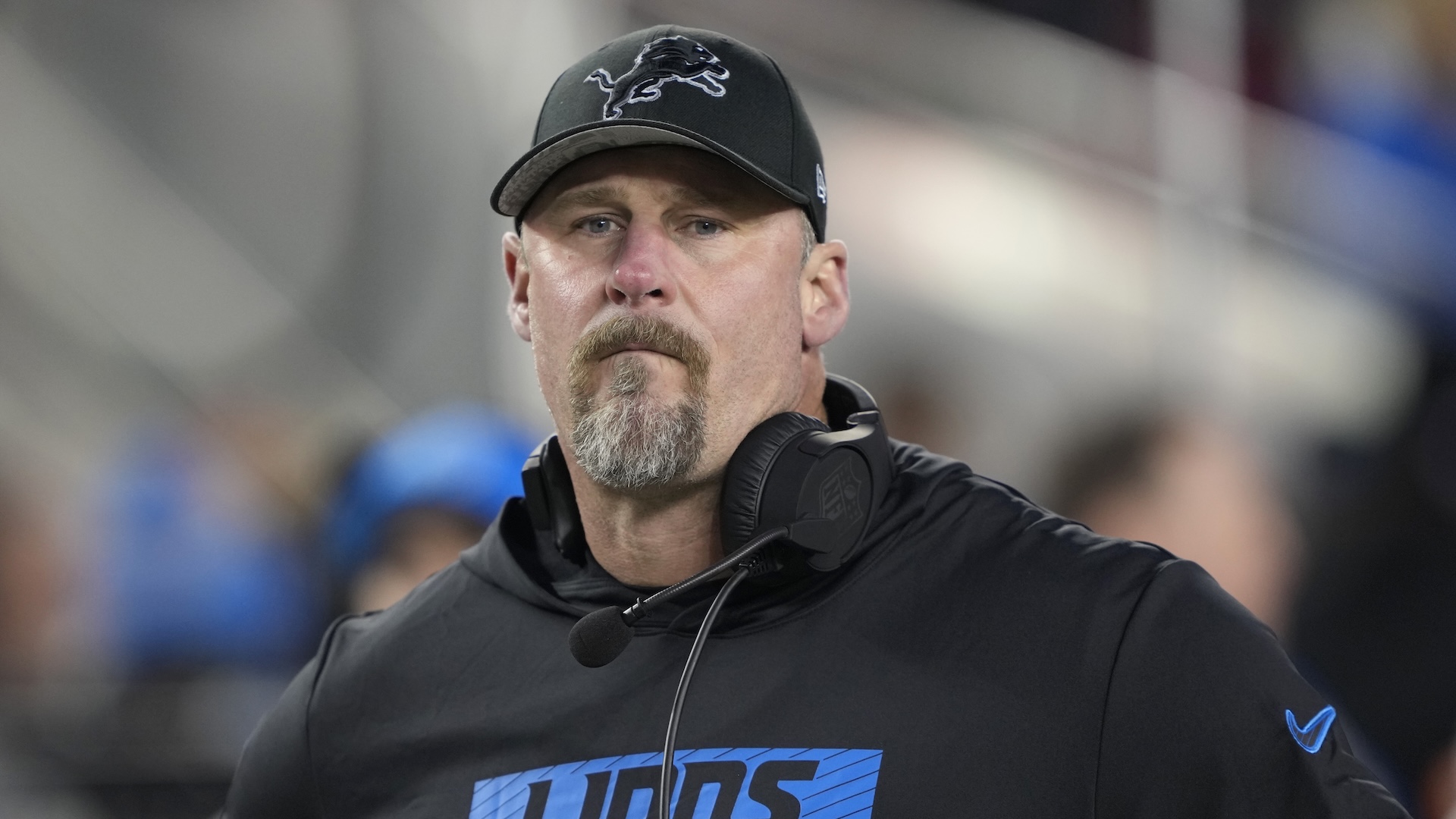
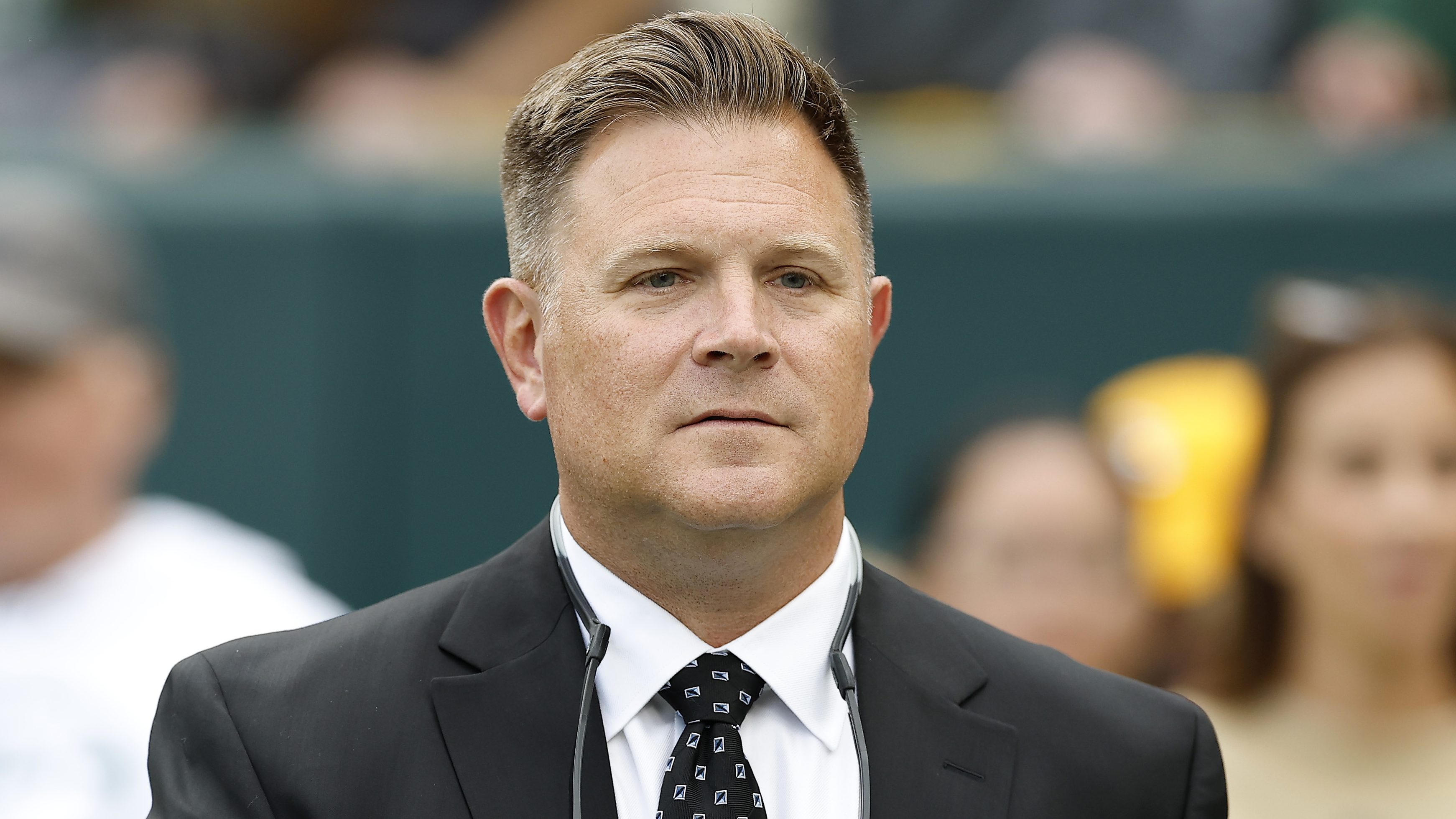
The contrast is striking: the Broncos are spending roughly half per year for a player with nearly identical production over the past two seasons. Bonitto’s 2024–25 production includes 27.5 sacks, 36 tackles for loss, 52 QB hits, and 94 tackles, numbers that stack up well against Anderson’s 23 sacks, 30 TFL, 42 QB hits, and 91 tackles.
Analysts have noted the Bonitto deal as strong value for Denver, especially given the on-field versatility he provides, including the ability to drop into pass coverage at a high level. By comparison, Anderson’s extension reflects the market for elite edge rushers, but the Broncos’ front-loaded approach contrasts with the more aggressive, high-cost path taken by other teams.
The move follows a recent Broncos precedent with Patrick Surtain II. In September 2024, Surtain signed a 4-year, $96 million extension with substantial guarantees, and after his 2024 Defensive Player of the Year recognition, his contract is viewed as a well-managed value relative to newer deals at the position. The evolving market for top corners underscores how front-loaded deals can influence overall team cost.
Looking deeper, Bonitto was a 2nd-round pick at No. 64 in the 2022 draft, thriving on a modest rookie contract that delivered substantial value. By contrast, Anderson was the No. 3 overall pick in 2023, with a rookie deal of about $35 million over four years before his extension. Bonitto’s ability to contribute in multiple facets of the defense reinforces why Denver pursued early, structured cap efficiency.
Overall, the Broncos’ approach highlights a trend toward paying potential, value-driven edge players earlier in their careers. If this model proves sustainable, it could shape how teams balance immediate cost against long-term upside, potentially redefining contract strategy across the league.