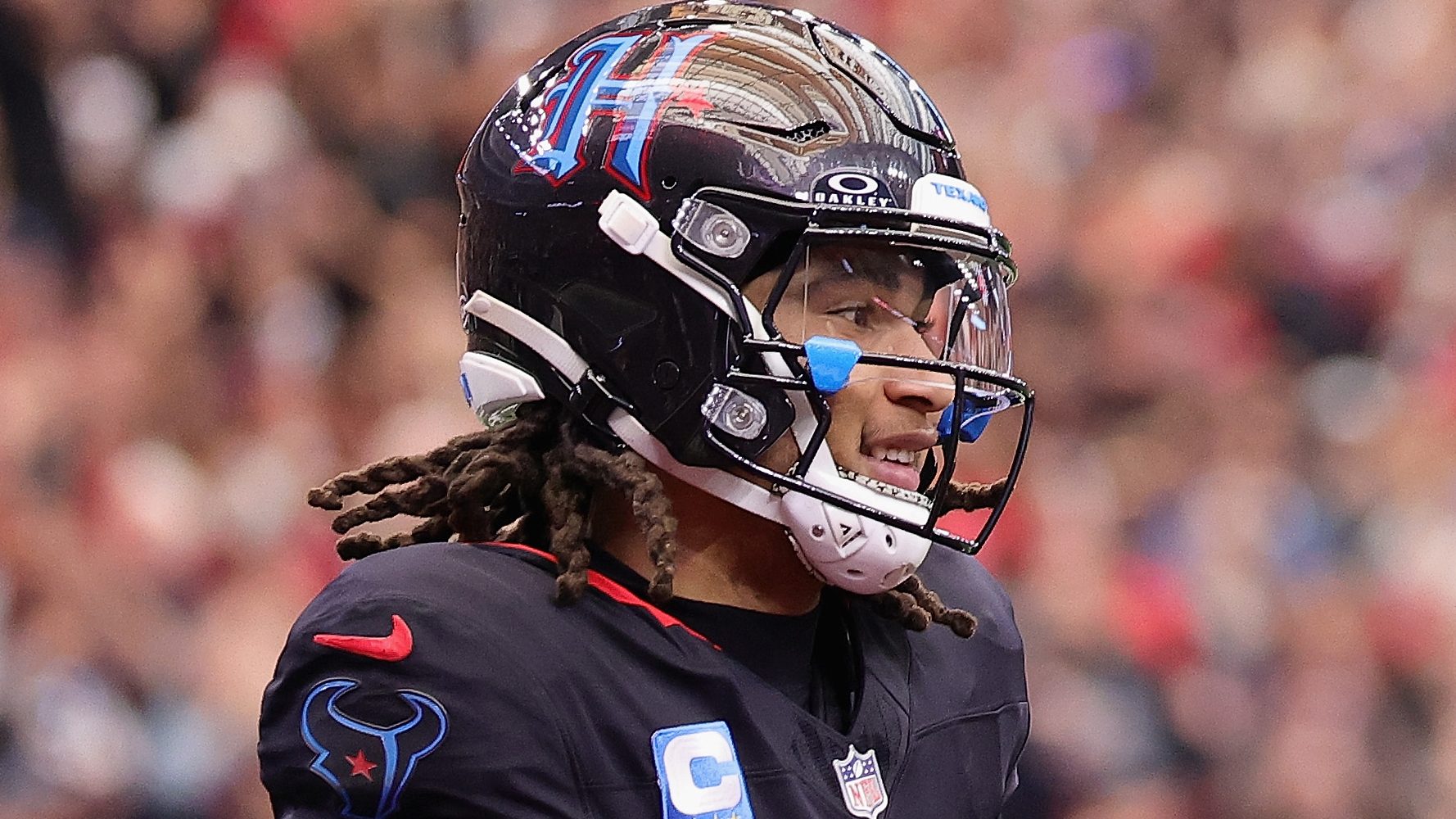
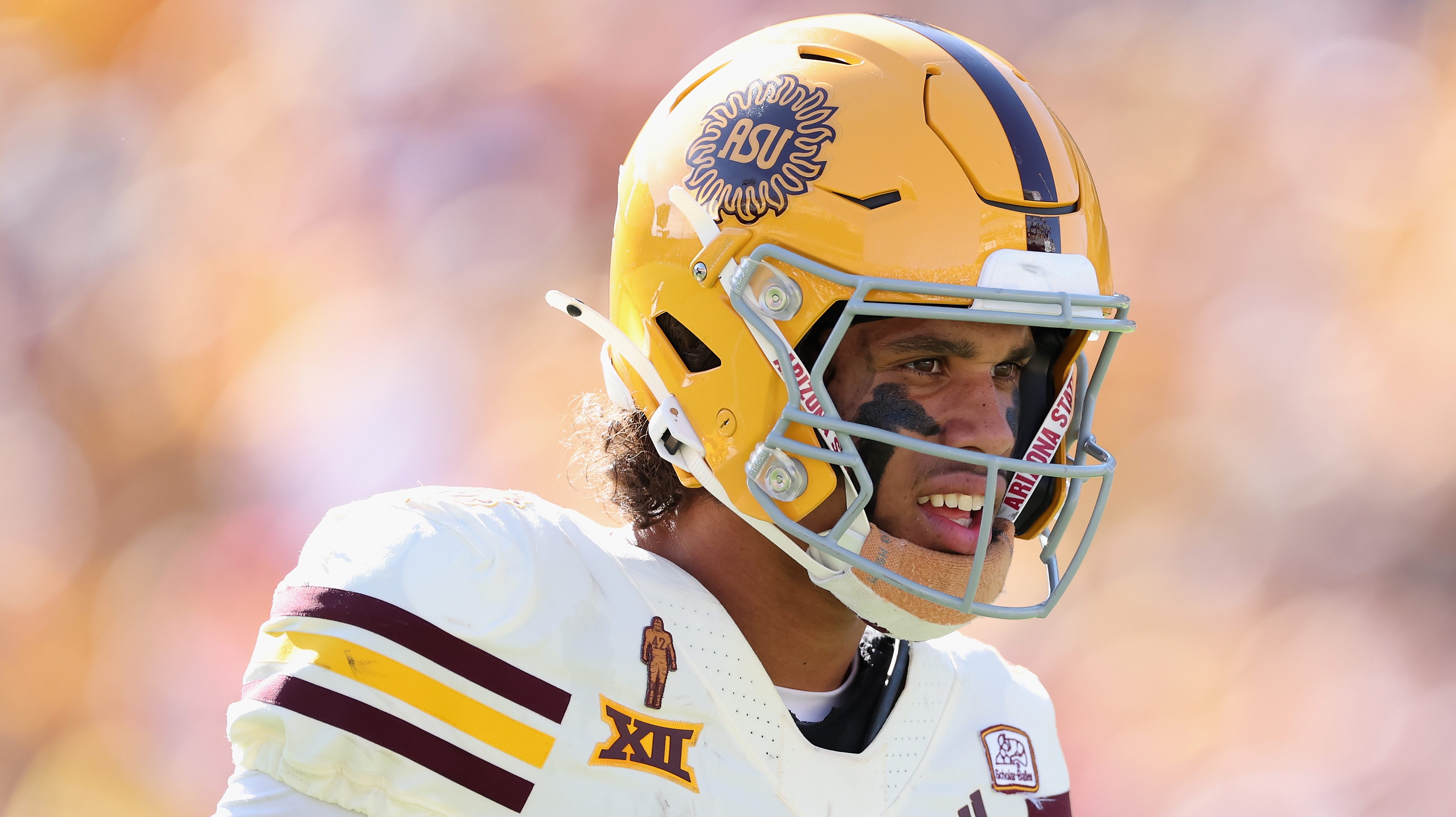
Greenard and Anderson were teammates in Houston during the 2023 season, and the current Minnesota veteran is responding not only to the news itself but to the evolving market for edge rushers as he heads toward a potential contract discussion of his own. With one year left on his Vikings deal after the 2026 season, Greenard’s future—whether in Minnesota or elsewhere—could hinge on how the market shifts in the coming months.
On the field, Greenard showcased solid production for Minnesota last season, posting a 74.2 overall PFF grade (31st among 115 qualified edge defenders in 2025), with a 77.6 pass-rush grade (18th) and a 77.8 run-defense grade (12th). He totaled 47 pressures, including four sacks, 35 hurries, and eight hits, along with 24 solo tackles and one forced fumble.
Industry analysts have weighed Greenard’s trade value as the draft approaches. Bleacher Report’s Moe Moton suggested a middle-round return is plausible for a 29-year-old edge defender with a recent history of double-digit sack seasons, noting teams that miss on their preferred targets could circle back to veteran options. He also highlighted potential cap savings for Minnesota, estimated at about $12.3 million, should Greenard be dealt, especially with fellow edge players like Dallas Turner and Andrew Van Ginkel on the roster.
Conversely, ESPN analyst Louis Riddick has argued for keeping Greenard, emphasizing the difficulty of reloading at premium positions and the value of developing players rather than turning the roster into a revolving door. Riddick noted that maintaining a group of edge rushers with game-changing potential—alongside Turner and Van Ginkel—could be more beneficial to the Vikings’ competitive window than trading away a veteran in hopes of short-term gains.
As the 2026 NFL Draft approaches, the Vikings face a clear decision: navigate the rising market for edge talent by retaining Greenard or pursue value via a trade to free cap space and recoup assets. With the expectation that the edge-rusher market will continue to climb, Minnesota will weigh its long-term needs against short-term gains, aiming to balance competitiveness with financial flexibility.