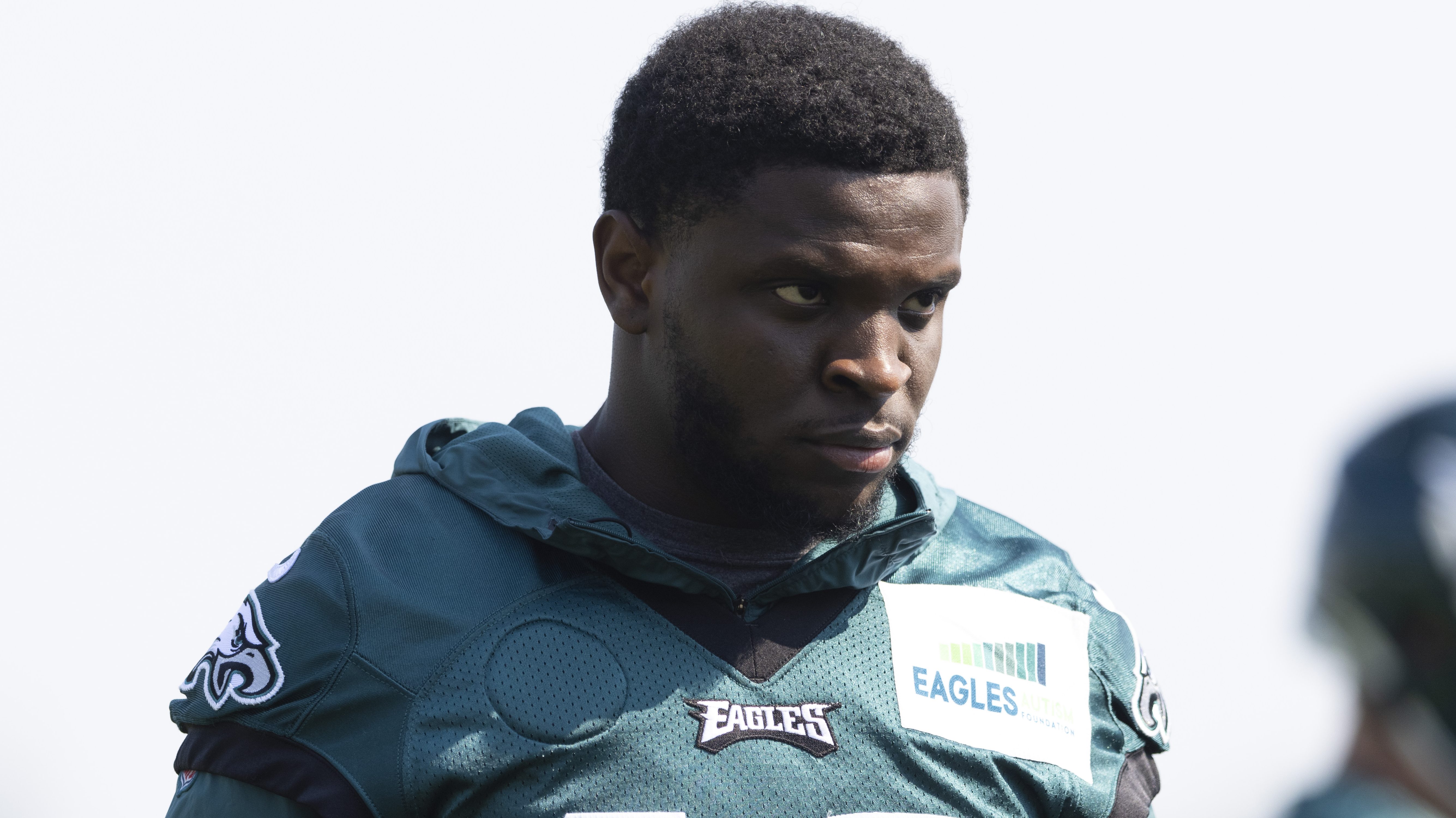
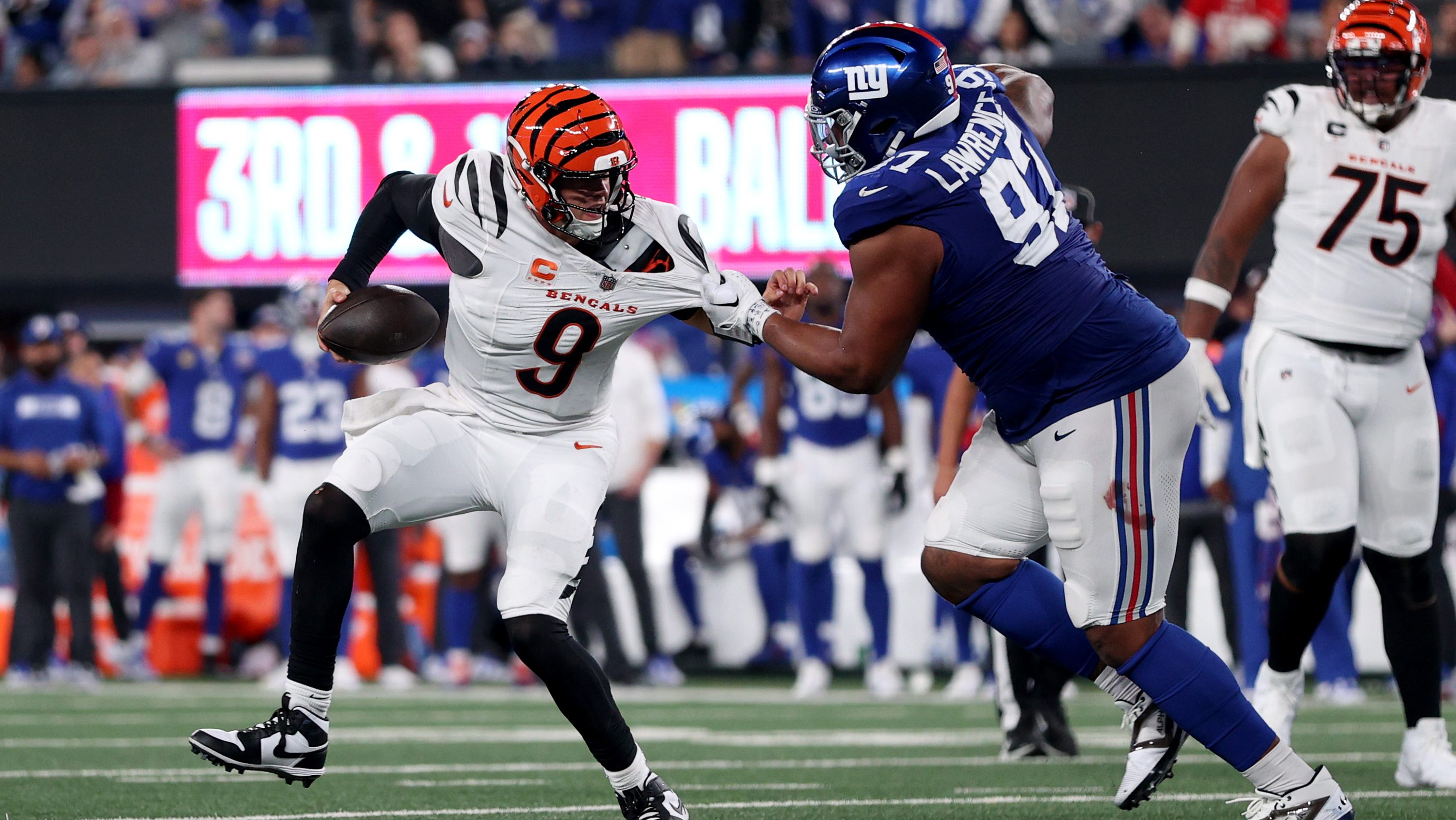
Fano is widely viewed as one of the top tackles in the class, having started at left tackle before moving to the right side, and he brings a physical, punch-heavy style that fits the team’s aggressive mindset. However, his arm length—about 32⅛ inches—has raised questions about whether he projects best at tackle or inside at guard.
Advocates believe Detroit should “rock” the first round by moving up from the 17th overall pick to land Fano, a move that would signal a bold commitment to upgrading the student and technician on the edge. The idea hinges on Sewell’s versatility, with the expectation that he could transition to left tackle to replace the recently released Taylor Decker, allowing Fano to anchor the right side.
While Fano’s potential as a tackle is a talking point, several analysts note the length concerns and suggest the big front might be better served by keeping him inside at guard. ESPN’s Mel Kiper Jr. has Fano near the top of his board and believes his length could push him inside, while others project him as a guard or a right tackle who could still contribute immediately.
Sewell’s current placement as a cornerstone blocker makes the left-tackle question particularly relevant. If the Lions pursue a trade-up for Fano, they would need to seriously consider moving Sewell to the blind side to maximize the new pairing’s impact and to address the left-tackle vacancy created by Decker’s departure.
In the end, the Lions’ draft strategy could hinge on how boldly they want to address their edge protection and how they value Fano’s technique versus his length. A trade-up to secure a top tackle remains on the table, but it would require a clear plan for Sewell’s role and the overall balance of Detroit’s offensive line in 2026 and beyond.